
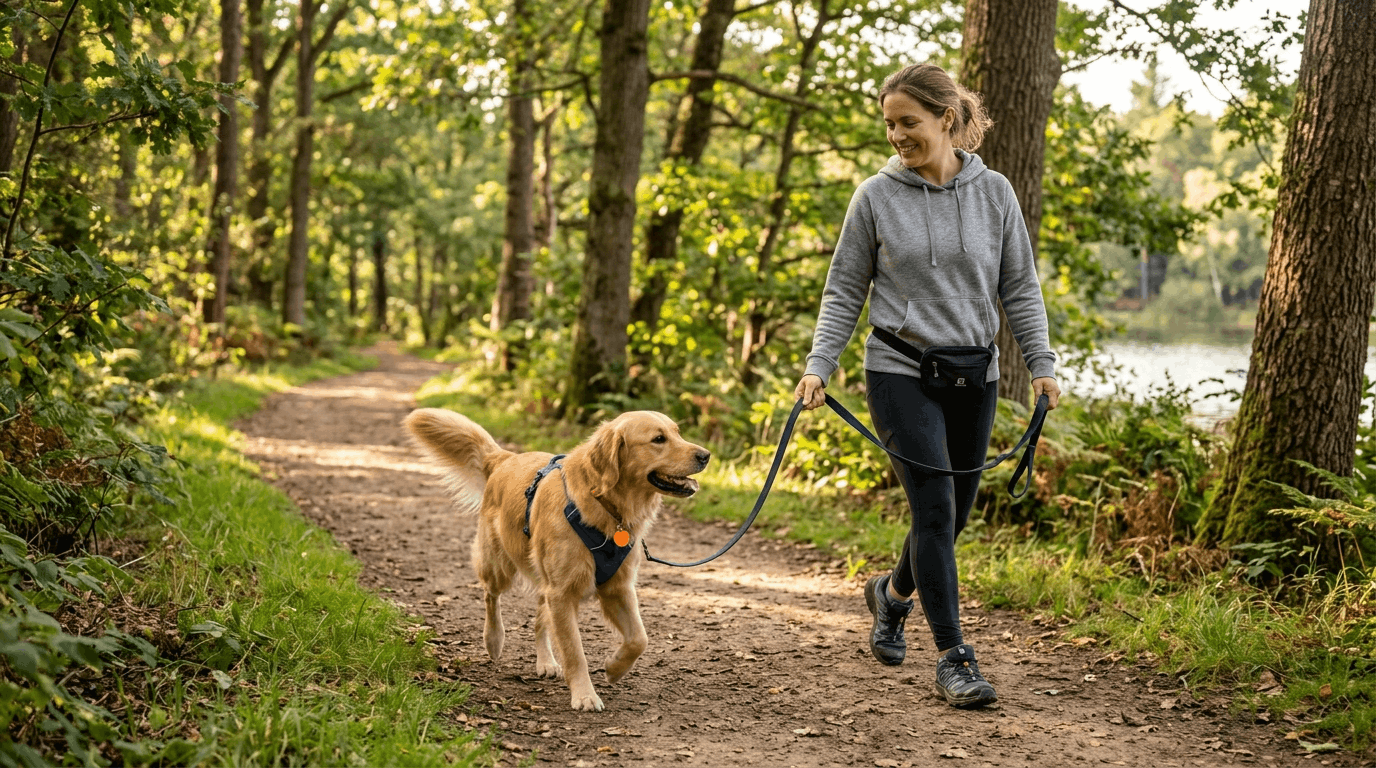
Daily walks should feel enjoyable, relaxing, and safe for both dogs and owners. However, many walks become stressful because of pulling, poor leash control, discomfort, or equipment that simply does not fit properly. Dogs may struggle with chafing harnesses, restrictive collars, or leashes that create confusion and tension. Owners may experience sore hands, tangled gear, or difficulty managing energetic behavior outdoors. Fortunately, choosing the right equipment can dramatically improve comfortable dog walks while creating calmer and more positive routines overall.
Walking gear affects far more than appearance alone. Properly designed equipment improves communication, emotional balance, and physical comfort during movement.
Dogs that feel physically supported often display calmer behavior because they experience less frustration and discomfort outdoors. Similarly, owners feel more confident when their equipment improves safety and control naturally.
Not every dog requires the same walking setup. Breed size, energy level, confidence, and walking habits all influence what gear works best.
Some dogs need extra support because they pull strongly, while others require lightweight equipment that reduces anxiety and physical pressure.
Comfortable walks develop through thoughtful combinations of training, consistency, and well-fitted gear that supports natural movement rather than restricting it.
Understanding how different equipment affects walking experiences helps owners make smarter choices while creating healthier routines long term.
Why Walking Comfort Matters for Dogs
Dogs experience walks through both physical and emotional sensations. If walking equipment causes discomfort, pressure, or frustration, dogs often develop negative emotional associations with walks over time.
Comfortable dog walks help dogs feel emotionally secure while encouraging calmer behavior outdoors.
Poorly fitted collars may create throat pressure, especially for dogs that pull or become excited. Likewise, restrictive harnesses may limit shoulder movement or create rubbing under the legs.
Discomfort often appears through pulling, stopping suddenly, scratching at equipment, or resisting walks altogether.
Comfort also affects emotional confidence. Nervous dogs frequently become more anxious when gear feels restrictive or uncomfortable.
Supportive equipment allows dogs to move naturally while reducing stress and physical irritation.
Owners benefit as well. Better control and improved leash handling reduce frustration, hand strain, and sudden pulling injuries.
Comfort should never feel like a luxury during walks. Instead, it forms the foundation for safer, calmer, and more enjoyable outdoor experiences overall.
Harnesses Often Improve Walking Experiences
Harnesses remain one of the most valuable tools for creating comfortable dog walks because they distribute pressure more evenly across the body.
Unlike collars, harnesses reduce strain on the throat and neck during pulling or sudden movement. Consequently, many dogs feel calmer and more physically secure while wearing them.
Front-clip harnesses work especially well for dogs that pull because they gently redirect movement without relying on force or discomfort.
Padded harnesses also improve comfort significantly during longer walks by reducing friction around sensitive areas.
However, proper fit matters greatly. Poorly fitted harnesses may restrict shoulder movement or create rubbing beneath the legs.
Lightweight breathable materials usually feel more comfortable than bulky designs, especially in warm weather.
Some nervous dogs prefer step-in harnesses because overhead styles may feel intimidating during preparation.
Owners should observe how their dogs move while wearing the harness. Natural movement without stiffness or hesitation usually indicates proper comfort and fit.
The best harnesses support movement while improving communication and safety naturally.
Choosing the Right Leash Makes a Difference
Leashes affect control, communication, and walking comfort more than many owners realize. The wrong leash may create constant tension, confusion, or discomfort for both the dog and the owner.
Comfortable dog walks usually involve standard fixed-length leashes that provide balanced freedom and structure.
Four- to six-foot leashes often work best because they allow dogs enough space to move naturally while maintaining communication.
Soft padded leash handles improve owner comfort significantly during longer walks or sudden pulling moments.
Hands-free leashes may help experienced owners during jogging or hiking, although they work best with dogs that already understand loose leash walking.
Retractable leashes often create inconsistent tension because dogs continuously learn to pull forward for more distance. Consequently, they may increase pulling habits and reduce overall control.
Reflective leash materials also improve safety during early morning or evening walks.
Strong durable clips matter greatly too, especially for larger or more powerful dogs.
The leash should feel like a communication tool rather than a constant source of tension and correction.
Collars Still Play an Important Role
Although harnesses often improve comfort during walks, collars still remain useful for identification and everyday convenience.
Comfortable dog walks frequently involve lightweight flat collars paired with harnesses for additional safety and identification support.
Soft padded collars help reduce irritation around the neck while improving everyday comfort.
Dogs that already walk calmly on loose leashes may do perfectly well using flat collars during shorter outings.
However, corrective collars designed to create discomfort may increase anxiety, frustration, or pulling behaviors in many dogs.
Owners should prioritize comfort and communication over force-based control methods whenever possible.
Proper collar fit matters greatly as well. Tight collars create discomfort, while loose collars increase escape risks.
The collar should sit comfortably without pressing tightly against the throat.
Many owners also attach identification tags and emergency information to collars for added safety during outdoor activities.
Weather Gear Improves Outdoor Comfort
Weather conditions affect dogs differently depending on coat type, breed, age, and health status. Appropriate seasonal gear helps maintain comfortable dog walks throughout changing weather conditions.
Rain jackets often help short-haired or smaller dogs stay warmer and drier during wet weather.
Cooling vests benefit heat-sensitive breeds during summer walks because they help regulate body temperature more effectively.
Winter coats may support senior dogs, thin-coated breeds, or smaller dogs that struggle with cold temperatures.
Dog boots also protect paws from hot pavement, snow, ice, salt, and rough terrain.
However, dogs usually need gradual introduction to wearable gear. Some dogs initially feel awkward wearing coats or boots until they adjust emotionally.
Owners should prioritize lightweight breathable materials whenever possible to avoid overheating or movement restriction.
Comfort and natural mobility should remain the main priorities when choosing weather gear.
Treat Pouches Improve Training During Walks
Training becomes much easier when rewards remain accessible quickly and consistently outdoors.
Comfortable dog walks often improve dramatically once owners carry treats conveniently during outings.
Treat pouches allow owners to reinforce calm walking, check-ins, loose leash moments, and positive behavior immediately.
Quick reinforcement improves communication while helping dogs stay mentally engaged with their owners.
Hands-free treat bags also reduce frustration because owners avoid fumbling through pockets constantly during training.
Some treat pouches include storage compartments for waste bags, keys, or phones, which improves overall convenience during walks.
Positive reinforcement creates calmer emotional associations with walking routines over time.
Dogs that receive consistent rewards for calm behavior usually become more focused and responsive outdoors.
Why Waste Bag Holders Matter More Than Expected
Simple accessories often improve walking experiences significantly. Waste bag holders may seem minor, yet they help create smoother and more organized routines during walks.
Comfortable dog walks feel easier when owners avoid juggling multiple loose items awkwardly.
Compact waste bag dispensers attached to leashes or belts improve convenience while keeping essentials easily accessible.
Some holders include small storage areas for treats or sanitizing wipes as well.
Prepared owners generally feel calmer and more organized outdoors, which often influences canine behavior positively too.
Small improvements in convenience reduce stress and interruptions during walks overall.
Reflective Gear Improves Safety
Visibility becomes extremely important during evening, early morning, or low-light walks. Reflective equipment helps both dogs and owners stay safer near roads, sidewalks, and traffic.
Comfortable dog walks should always prioritize safety alongside physical comfort.
Reflective harnesses, leashes, collars, and LED clip-on lights improve visibility significantly during darker conditions.
Bright reflective materials help drivers, cyclists, and pedestrians notice dogs earlier from greater distances.
Reflective gear also helps owners monitor dogs more easily during nighttime outings or wooded trail walks.
Lightweight visibility gear usually feels comfortable without interfering with natural movement.
Safety-focused accessories provide peace of mind while encouraging more relaxed outdoor experiences overall.
Water and Hydration Gear Support Longer Walks
Hydration matters greatly during warm weather, hikes, or extended outdoor adventures.
Comfortable dog walks become much safer when owners carry portable water solutions during longer outings.
Collapsible bowls work especially well because they remain lightweight and easy to store.
Dog-specific water bottles with built-in dispensers improve convenience while reducing waste.
Regular hydration helps prevent overheating and fatigue, especially for active breeds or dogs sensitive to heat.
Owners should also recognize signs of overheating such as heavy panting, slowing down, or seeking shade constantly.
Comfort includes meeting physical needs properly throughout the walk rather than focusing only on leash equipment alone.
Mental Comfort Matters Too
Physical gear alone cannot create peaceful walks completely. Emotional comfort and mental balance matter just as much for calmer outdoor experiences.
Comfortable dog walks often improve when dogs feel emotionally secure and mentally engaged during outings.
Scent opportunities, calm pacing, positive reinforcement, and predictable routines all contribute to emotional relaxation outdoors.
Some dogs feel overwhelmed in busy environments, while others become overstimulated by constant excitement.
Owners should adjust routes and walking styles based on the dog’s emotional needs rather than forcing overwhelming situations constantly.
Calm communication and patient handling help dogs feel safer during walks too.
Dogs that trust their owners and understand expectations usually display calmer behavior naturally.
The best walking gear supports emotional comfort rather than relying on punishment or physical intimidation.
Creating Better Walking Routines Long Term
The right equipment creates a foundation for healthier and more enjoyable outdoor experiences. However, truly comfortable dog walks develop through a combination of supportive gear, emotional balance, and consistent routines.
Harnesses, quality leashes, weather gear, hydration tools, and training accessories all contribute to safer and calmer walks when chosen thoughtfully.
Comfort should always remain a priority because physical discomfort often affects behavior, emotional confidence, and leash habits significantly.
Owners should also remember that every dog has different needs. Some dogs require extra support for pulling, while others need lightweight equipment that reduces anxiety or movement restriction.
Observation and flexibility help owners build the most effective walking setup over time.
Importantly, gear should support communication and confidence rather than replace training entirely. Calm leadership, positive reinforcement, and patience still remain essential for long-term success.
Once dogs feel physically comfortable and emotionally secure outdoors, walks often become far more relaxing and enjoyable for everyone involved.
Ultimately, the best walking gear does more than improve convenience. It helps create safer, calmer, and more connected experiences that strengthen the relationship between dogs and their owners every single day.
FAQ
1. What type of harness is best for daily walks?
Front-clip padded harnesses often provide excellent comfort and control for most dogs.
2. Are retractable leashes good for training?
Retractable leashes may encourage pulling because dogs constantly experience leash tension and inconsistent boundaries.
3. Do dogs really need weather gear?
Some dogs benefit greatly from coats, boots, or cooling gear depending on weather conditions and breed type.
4. How do I know if my dog’s harness fits properly?
Dogs should move naturally without rubbing, stiffness, or restricted shoulder movement.
5. Why do treats help during walks?
Treat rewards improve focus, reinforce calm behavior, and strengthen communication during outdoor training.

