
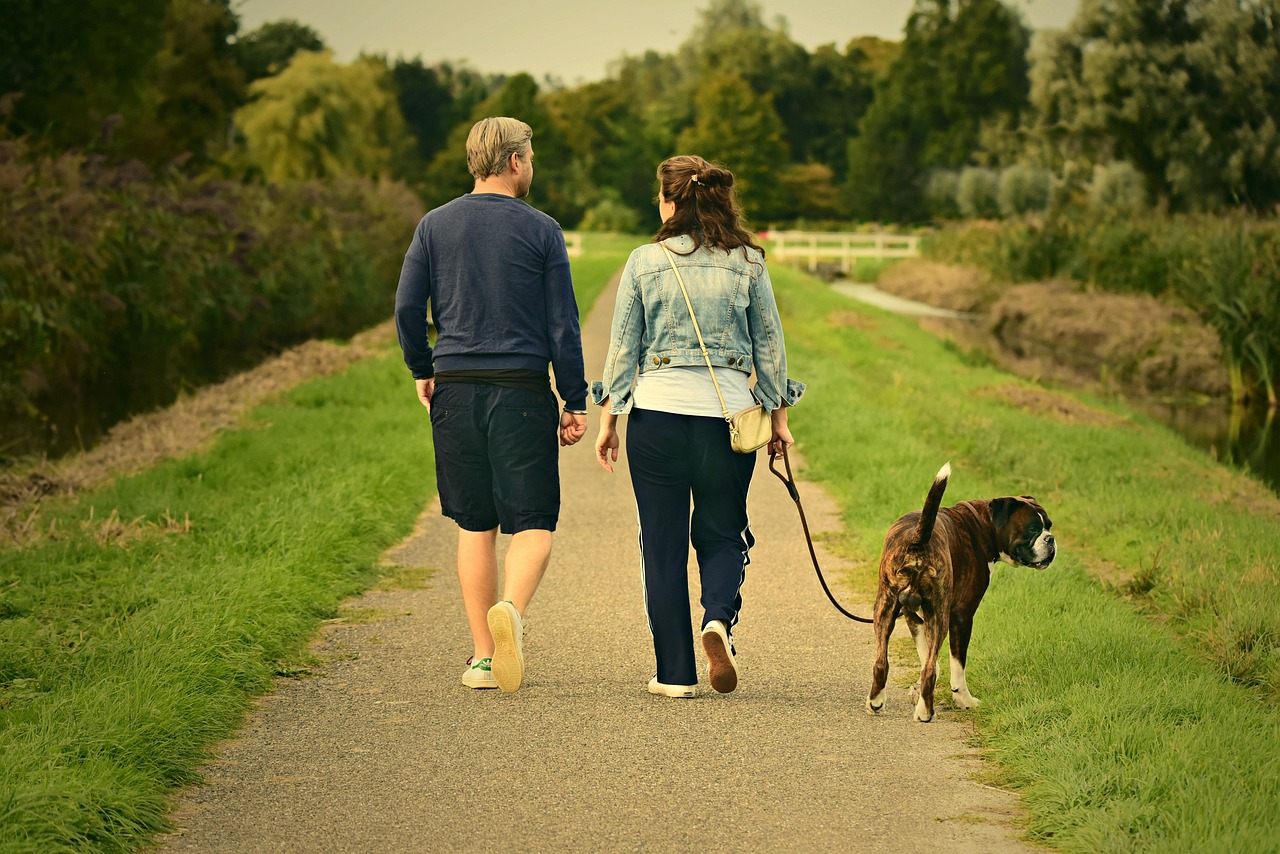
Mastering the Walk: Essential Tips for Leash Training Your Dog
Introduction
Leash training is a crucial aspect of dog ownership. It not only ensures the safety of your dog and others but also enhances the pleasure of your walks together. This comprehensive guide offers essential tips to successfully leash train your dog, improving both your experiences during those daily walks. Whether you’re working with a stubborn pup or a spirited adolescent dog, these strategies are designed to help you build a positive relationship with your canine companion.
Understanding the Importance of Leash Training
Leash training is vital for several reasons. It prevents your dog from running into potentially dangerous situations, such as traffic or uncontrolled interactions with other animals. Additionally, leash training reinforces your role as the pack leader, providing your dog with structure and security. It also enhances public respect for dogs, showcasing responsible pet ownership.
Choosing the Right Equipment
Selecting the Right Leash and Collar
The first step in leash training is selecting the appropriate gear. A sturdy, comfortable collar and a durable leash are paramount. For most dogs, a standard six-foot leash offers enough space for exploration while keeping them under control. Meanwhile, harnesses can be a better option for dogs prone to pulling as they distribute pressure more evenly around the body.
Considering a Training Collar
Training collars, such as martingale collars or gentle leaders, are sometimes necessary for dogs that pull excessively or have issues responding to a standard collar. It is important to consult a professional trainer or a veterinarian when choosing a training collar to ensure it is used safely and effectively.
Basic Leash Training Techniques
Getting Your Dog Used to a Leash and Collar
For many puppies and even older dogs, wearing a collar and leash is an unfamiliar sensation. Begin by allowing your dog to wear the collar around the house without attaching the leash. Once they seem comfortable, attach the leash and let them drag it around under your supervision.
Teaching Your Dog to Walk Without Pulling
Start in a familiar, distraction-free environment. As you both walk, keep the leash loose. If your dog begins to pull, simply stop and call them back to you. Reward them with treats or affection when they return to your side and the leash is slack. This reinforces the behavior of walking calmly by your side.
Direction Changes and Speed Variations
Changing direction and speed can also help teach your dog to pay attention to you during walks. If they start pulling, abruptly change direction. This teaches them that they need to follow your lead. Varying your walking speed helps keep your dog’s attention on you and not on the environment.
Common Challenges and Solutions
Dealing with Distractions
Dogs are naturally curious and can easily be distracted by smells, sounds, and sights during walks. When faced with a distraction, maintain a firm, yet gentle hold on the leash and give a simple command like ‘leave it’. Reward your dog for obeying and refocusing their attention on you.
Overcoming Fear and Anxiety
Some dogs may feel nervous or scared when on a leash or when exposed to new environments. It’s essential to be patient and provide reassurance through calm, positive reinforcement. Gradually increase exposure to new sights and sounds, ensuring each experience is as positive as possible.
Advanced Leash Training Strategies
As your dog becomes more comfortable on the leash, you can start introducing more advanced training techniques. This includes heel training, where your dog learns to walk at your side, or agility training that can be incorporated into your walks. Remember, consistency is key, and training should always be based on positive reinforcement.
Conclusion
Mastering the walk through effective leash training creates an enduring bond between you and your dog. It transforms a simple daily task into an enjoyable experience. Remember that patience and consistency are your best tools, and the rewards of a well-behaved, leash-trained dog are well worth the effort. Embrace each step of the training process and enjoy the journey of nurturing a respectful and rewarding relationship with your four-legged friend.
FAQs About Leash Training Your Dog
How long does it take to leash train a dog?
The duration of leash training depends on the dog’s age, temperament, and previous training experiences. Consistency and daily practice can typically lead to noticeable improvements within a few weeks.
What should I do if my dog continues to pull on the leash?
If your dog continues to pull, consider structured training sessions, utilizing treats and favorite toys as incentives for maintaining a loose leash. If issues persist, professional help from a dog trainer may be beneficial.
Are retractable leashes good for training?
Retractable leashes are not recommended for training as they can encourage pulling. A fixed-length leash is preferable during training to teach control and maintain close proximity.
With these tips and consistent practice, your walks with your dog can be relaxed, controlled, and enjoyable. Good luck, and happy training!

