
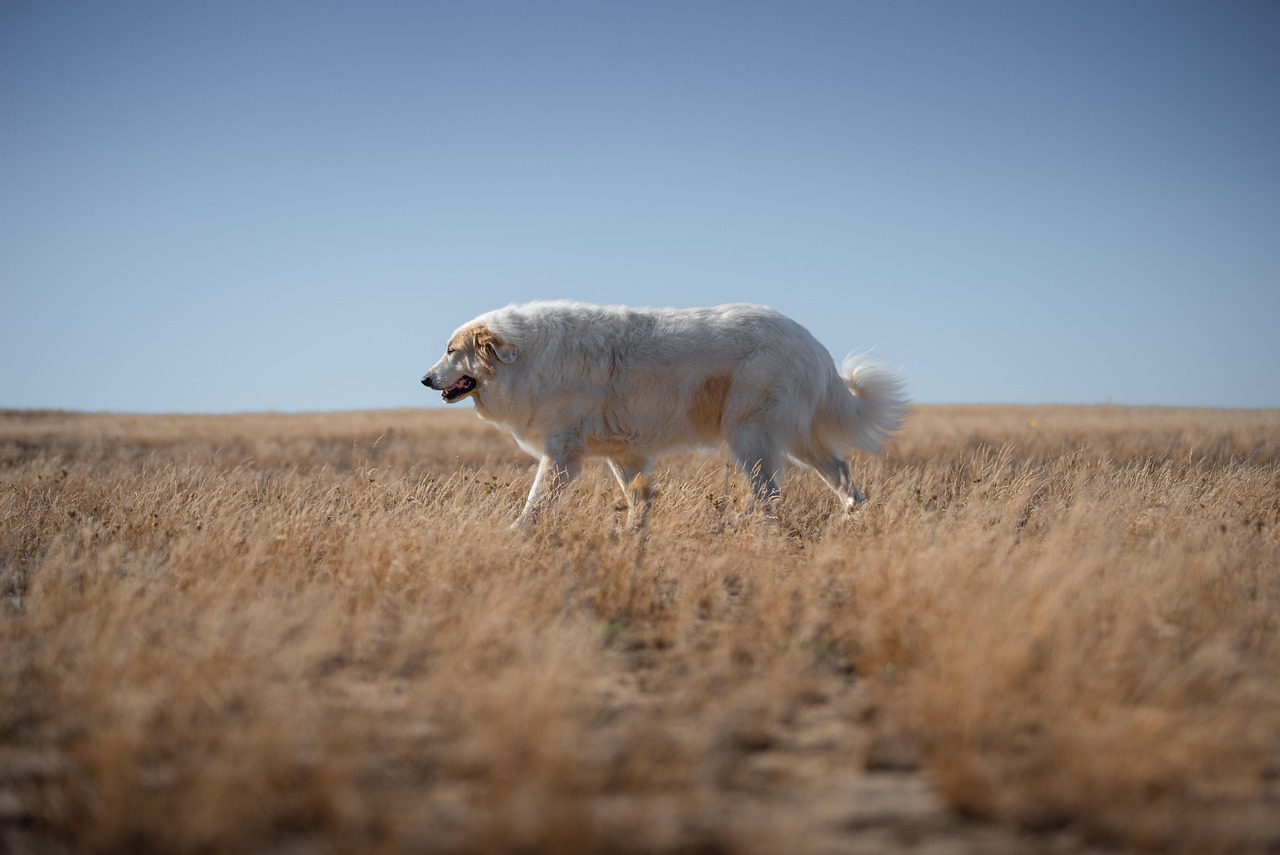
Mastering the Walk: Strategies for Handling Reactive Dogs
Understanding Reactivity in Dogs
Many dog owners face challenges while walking their reactive dogs. Reactivity refers to behaviors like barking, growling, or lunging towards people, other animals, or inanimate objects. These behaviors are often misunderstood as aggression, but they usually stem from fear, anxiety, or excitement. Understanding the root cause of your dog’s reactivity is crucial in addressing it effectively.
Preparation: Key to Successful Walks
Before embarking on a walk, proper preparation can make a significant difference. This includes selecting the right tools and accessories. A sturdy harness that provides good control without causing discomfort is ideal. Avoid choke chains and prong collars as they can exacerbate reactive behaviors. Additionally, choose a fixed-length leash over retractable models to maintain consistent control. High-value treats are essential for positive reinforcement and distraction during walks.
Training Techniques for Reactive Dogs
Training is paramount when managing a reactive dog. Start with basic obedience training to establish a foundation of commands and expectations. Focus on commands like ‘sit’, ‘stay’, and ‘look at me’, which can redirect your dog’s attention during high-stress situations. Gradually introduce your dog to different environments, increasing exposure to triggers in controlled settings. This controlled exposure, known as desensitization, helps to reduce sensitivity over time. Simultaneously, implement counter-conditioning by rewarding calm behavior in the presence of these triggers to change the dog’s emotional response.
Utilizing Positive Reinforcement
Positive reinforcement is a core concept in training reactive dogs. Reward your dog for non-reactive behavior or for obeying a command in difficult situations. This not only encourages good behavior but also helps your dog associate positive outcomes with what they previously feared or disliked. Consistency in this training approach is key, as intermittent rewards can lead to inconsistent behavior.
Managing the Environment
Effective management of the environment plays a crucial role in walking a reactive dog. Choose walking routes that are less likely to have many triggers. Quiet parks, low-traffic streets, or private areas where exposure to other dogs and strangers is minimal can be ideal choices. Walking during less busy times of the day can also reduce the likelihood of encountering triggers.
When Encounters Are Inevitable
Certain situations are unavoidable, and knowing how to handle them is important. If you see a potential trigger approaching, create distance whenever possible. Cross the street, turn around, or find a buffer like a parked car to use as a barrier. Use the ‘look at me’ command to maintain your dog’s focus on you rather than the trigger. If an encounter is unavoidable, remain calm and lead your dog at a steady pace, using treats to maintain and reward their attention away from the trigger.
Seeking Professional Help
If your dog’s reactivity doesn’t improve despite your efforts, it may be time to seek help from a professional. Certified dog trainers and behaviorists who specialize in reactivity and aggression can offer personalized guidance. They can identify specific triggers, refine your training techniques, and provide support that is tailored to your dog’s needs.
The Role of Veterinary Consultation
In some cases, a consultation with a veterinarian is advisable. Underlying health issues can contribute to reactive behavior. Additionally, veterinarians specializing in animal behavior can prescribe medications that help manage anxiety, making training more effective.
Community Support and Resources
Support from other dog owners can be incredibly valuable. Local community groups or online forums dedicated to reactive dogs offer resources, empathy, and advice from those who have similar experiences. Workshops and group training classes for reactive dogs are also beneficial, offering both socialization and specialized training in a supportive environment.
Conclusion
Walking a reactive dog can be challenging, but with the right strategies and understanding, it can also be rewarding. By preparing adequately, employing effective training techniques, and seeking professional help when necessary, you can significantly improve the quality of your walks and your dog’s overall wellbeing. Remember, patience and consistency are your best tools in helping your reactive dog become more confident and calm.
Empowering yourself with knowledge and skills to handle reactivity can transform your daily walks into enjoyable experiences, fostering a deeper bond between you and your pet. Never hesitate to reach out for help, as every step taken is a step towards a more peaceful walk.

