
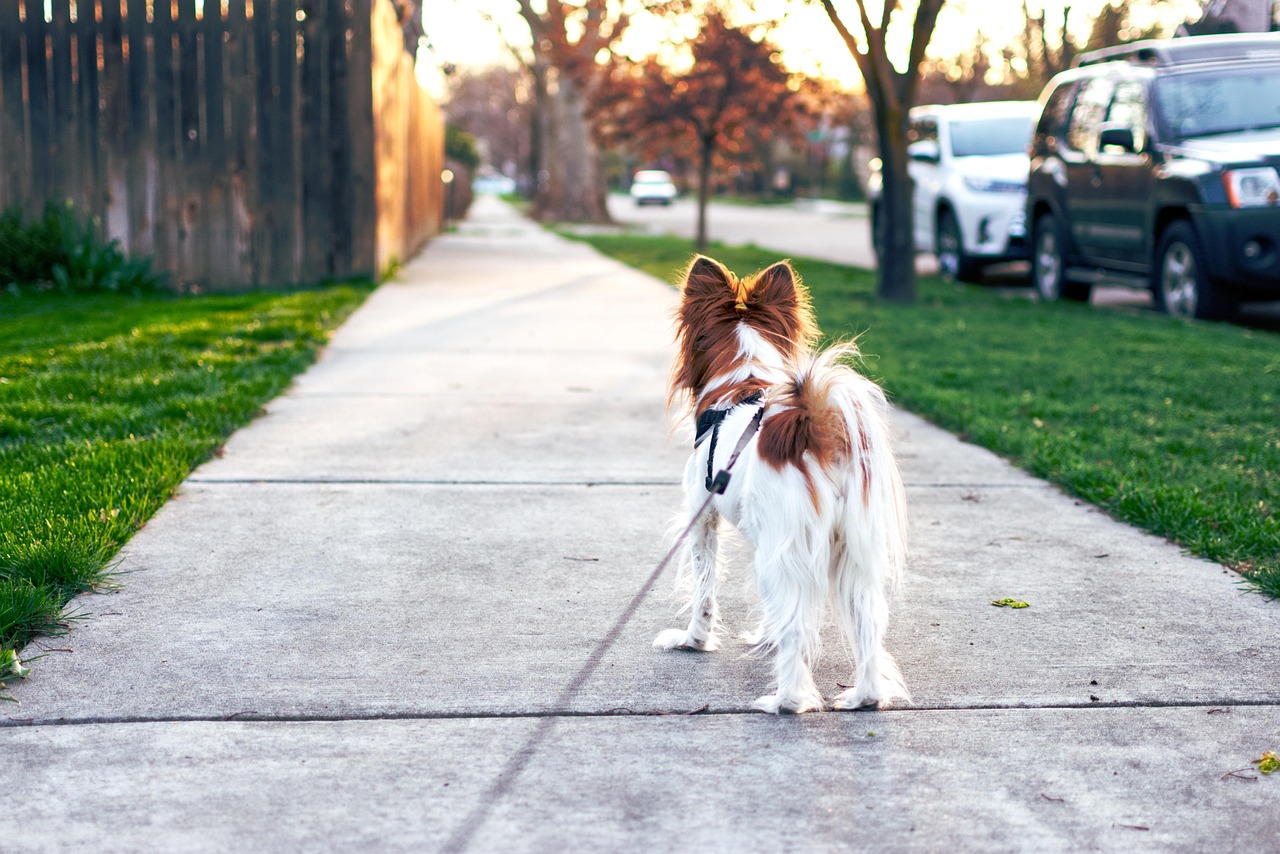
Essential Dog Walking Tips for Small Breeds
Taking a small breed dog for a walk can be a completely different experience from walking a larger dog. Smaller dogs have unique needs and characteristics that can affect how they should be walked, trained, and handled outside. Mastery over walking small dog breeds not only ensures their safety but also fosters better companionship. This detailed guide provides essential tips on how to ensure both fun and safe walks.
Understanding Small Breed Dogs
Before diving into the specifics of walking your small breed dog, it’s important to understand the general temperament and physical characteristics of these petite pets. Small breed dogs like Chihuahuas, Poodles, and Yorkshire Terriers often have high energy levels but low endurance. They can be quick, agile, and sometimes feisty, making it important to approach dog walking with tailored strategies.
Health Considerations in Small Breeds
Small dogs are prone to certain health issues such as hypoglycemia, joint problems, and chilling more easily due to their smaller body mass. Short, regular walks are essential to manage their energy levels and maintain their health without over-exerting them.
Preparing for the Walk
Preparation is key to ensuring a successful and safe outing with your small breed dog. Here are some preparatory tips:
Choosing the Right Gear
Selecting the appropriate walking gear can make a significant difference. Harnesses are generally better for small breeds as they distribute pressure evenly across the chest and back, avoiding strain on the neck which can occur with traditional collars. Additionally, consider a lightweight leash to allow them comfort and freedom to explore without the drag of a heavier lead.
Weather Considerations
Due to their susceptibility to cold, small breed dogs may require clothing such as sweaters or rain jackets in adverse weather conditions. Heat can be another challenge; hence, always provide plenty of water and avoid midday walks during hotter periods to prevent overheating.
During the Walk
Once you step out the door, keeping control and ensuring safety becomes your priority. Here are strategies to help you during the walk:
Keeping Your Dog Safe from Larger Dogs
Always be vigilant when walking your small breed dog. Keep a tight grip on the leash in areas where you might encounter larger, potentially aggressive dogs. Often, picking up your small dog can exacerbate a situation with a large dog, so it’s better to divert your course or use your voice and body to block and distract.
Training and Socialization
Regular walks are an excellent opportunity for training small breed dogs in obedience and socializing them with other dogs and people. Training them to respond to commands like “stay,” “come,” and “leave it” can enhance their safety during walks. Reward-based training techniques, wherein you reward your dog for good behavior, can be very effective.
Dealing with High Traffic Areas
In high traffic areas, always keep your small dog on a short leash. This gives you better control and prevents them from running into the street or getting underfoot of pedestrians.
Common Questions Answered
How long should I walk my small breed dog?
The duration of the walk depends on the specific breed, age, and health of your dog. Generally, two 15-minute walks per day should be sufficient for a small breed’s exercise needs, but consult with your veterinarian for a tailored regimen.
What should I do if my dog exhibits fear or aggression on walks?
If your dog reacts with fear or aggression, it may be a sign of insufficient socialization or a past negative experience. Gradually expose them to new environments, people, and other animals, keeping encounters positive and controlled. Training sessions with a professional dog behaviorist might also be necessary.
How can I ensure my small dog gets enough exercise?
In addition to walking, integrate other forms of physical activity such as games of fetch or tug-of-war. Make use of indoor play during adverse weather to keep them engaged and active.
Conclusion
Walking a small breed dog can be a delightful, bonding experience when done correctly. By understanding their unique physical and behavioral characteristics, choosing the right gear, and adhering to safety protocols on walks, you can ensure that your petite companion remains healthy and happy. Remember, regular, controlled, and enjoyable walks will significantly enhance the quality of life for both you and your small breed dog.

