
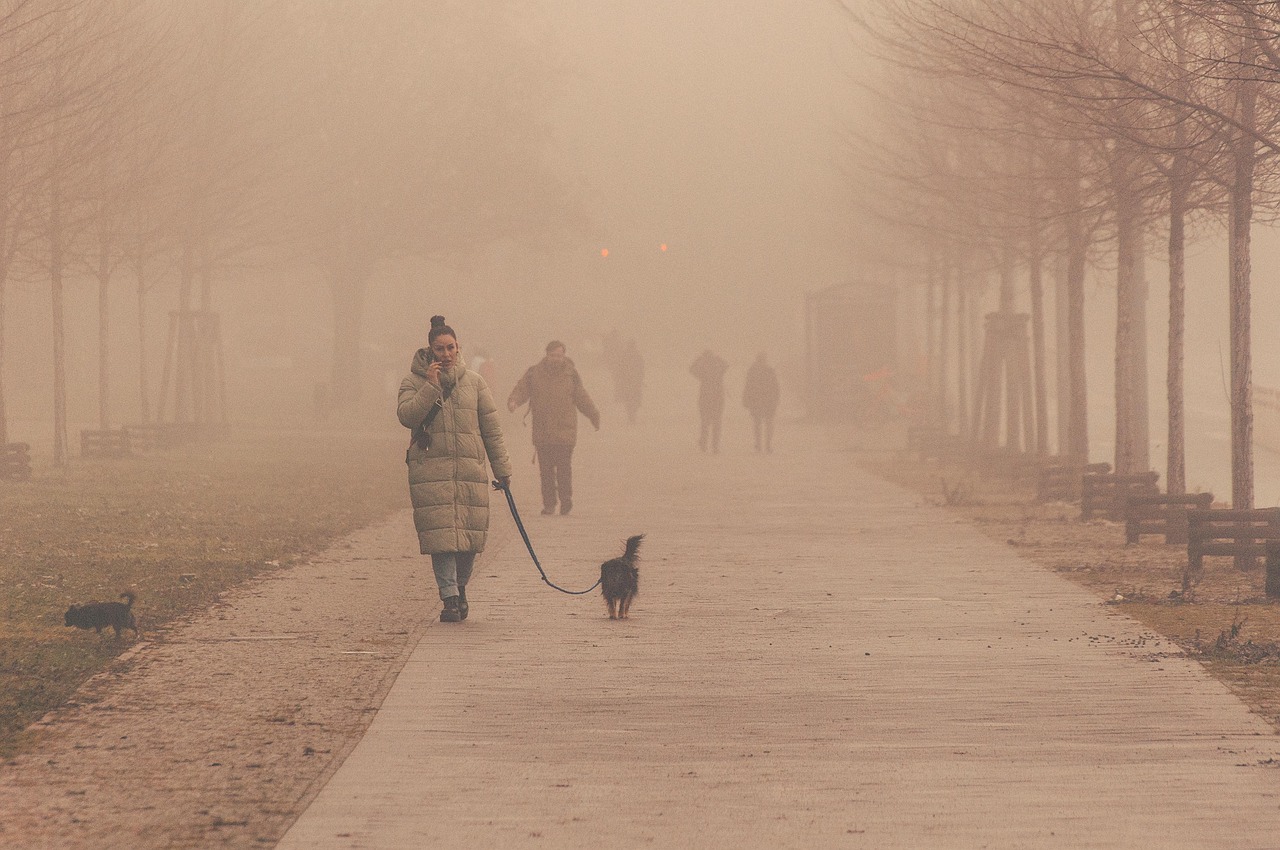
Nighttime Canine Strolls: Essential Safety Tips for Evening Dog Walks
Walking your dog is not only a necessary part of dog ownership but also a great way to bond with your pet and ensure they get the exercise and mental stimulation they need. However, evening dog walks can pose unique challenges and risks. From decreased visibility to the potential for encountering nocturnal wildlife, it’s crucial to take steps to ensure both your safety and your dog’s. In this comprehensive guide, we’ll explore essential safety tips for walking your dog at night and ensure you’re prepared for a safe stroll under the stars.
Understanding the Importance of Night Walks
Firstly, let’s address why many dog owners opt for nighttime walks. For some, evening or night might be the only free time available due to work schedules. For others, cooler nighttime temperatures during hot seasons make walks more comfortable for both the pet and the owner. Evening walks can also be quieter and more serene, offering a peaceful end to the day. Despite these benefits, the reduced visibility and potential increase in safety risks mean that extra precautions are necessary.
1. Enhance Visibility with Proper Lighting
Visibility is one of the biggest concerns when walking your dog at night. Both you and your dog should be easily visible to drivers, cyclists, and other pedestrians.
- Wear Reflective Gear: Equip both yourself and your dog with reflective vests, collars, leashes, or harnesses. Reflective gear shines brightly under headlights, making it much easier for drivers to see you from a distance.
- Use a Flashlight: Carry a strong flashlight to light your path and avoid hazards like uneven terrain or obstacles on the sidewalk. A flashlight can also make you more visible to others.
- LED Accessories: Consider adding LED lights to your dog’s collar or leash. These lights can be set to glow or flash, significantly increasing night-time visibility.
2. Choose Well-Lit and Safe Routes
Plan your walking route ahead of time. Opt for well-lit streets and paths, ideally in areas that are familiar to both you and your pet. Avoid shortcuts through poorly lit parks, alleys, or wooded areas. Sticking to open, well-lit areas lowers the risk of accidents and makes it less likely you will encounter people with less-than-friendly intentions or stray animals.
3. Keep Your Dog Secure and Close
Keeping your dog close to you during night walks is crucial. Use a sturdy, non-retractable leash that allows you to control your dog effectively, especially in the event of meeting another dog, wild animals, or if your dog becomes startled or scared. :
- Avoid Retractable Leashes: Retractable leashes can allow dogs to get too far away from you, making it hard to control them quickly if a dangerous situation arises.
- Training: Reinforce training commands like ‘stay’, ‘come’, and ‘leave it’. These commands can help manage your dog’s behavior effectively during your walk.
4. Stay Alert and Minimize Distractions
Your senses are your best tools for staying safe. Stay alert to your surroundings and minimize distractions such as using your phone or wearing headphones. Listening to the environment not only helps you stay aware of potential dangers but also enhances the calming experience of your walk.
5. Carry Emergency Supplies and Identification
Prepare for the unexpected by carrying some basic supplies. Here’s what should be on your list:
- ID Tags and Microchip: Ensure your dog’s ID tags are up-to-date and consider microchipping if you haven’t done so. Should your dog get lost, tags and microchips increase the chances of a safe return.
- Water and Snacks: For longer walks, bring water for both you and your dog to prevent dehydration.
- First Aid Kit: A basic pet first aid kit can be vital in case of minor injuries. Include your vet’s emergency contact number.
6. Be Aware of Local Wildlife
Nighttime is active for many types of wildlife which can pose unexpected dangers to your dog. Depending on your location, you might encounter raccoons, skunks, coyotes, or even snakes. Familiarize yourself with the kinds of animals likely to be in your area and learn how to avoid unwanted encounters.
Frequently Asked Questions
What should I do if another animal approaches us during our walk?
Maintain calm, avoid making sudden movements, and slowly distance yourself from the animal. Keep your dog as quiet and controlled as possible.
Is it safe to let my dog off leash at night?
No, it’s safer to keep your dog leashed at all times during night walks. An off-leash dog can easily run into danger before you have time to react.
How can I tell if my dog is scared or nervous during night walks?
Look for signs such as ears pinned back, a tucked tail, shaking, or hesitant behavior. Comfort your dog and consider shortening your walk if necessary.
Conclusion: Ensuring Safe Nighttime Walks with Your Canine Companion
Nighttime walks with your dog can be a pleasurable and rewarding experience if done correctly. By enhancing visibility, choosing safe routes, staying vigilant, and being prepared for emergencies, you can make night walks a safe routine for both you and your pet. Remember, the key to a successful evening stroll lies in effective preparation and being aware of your environment. Happy walking!

