
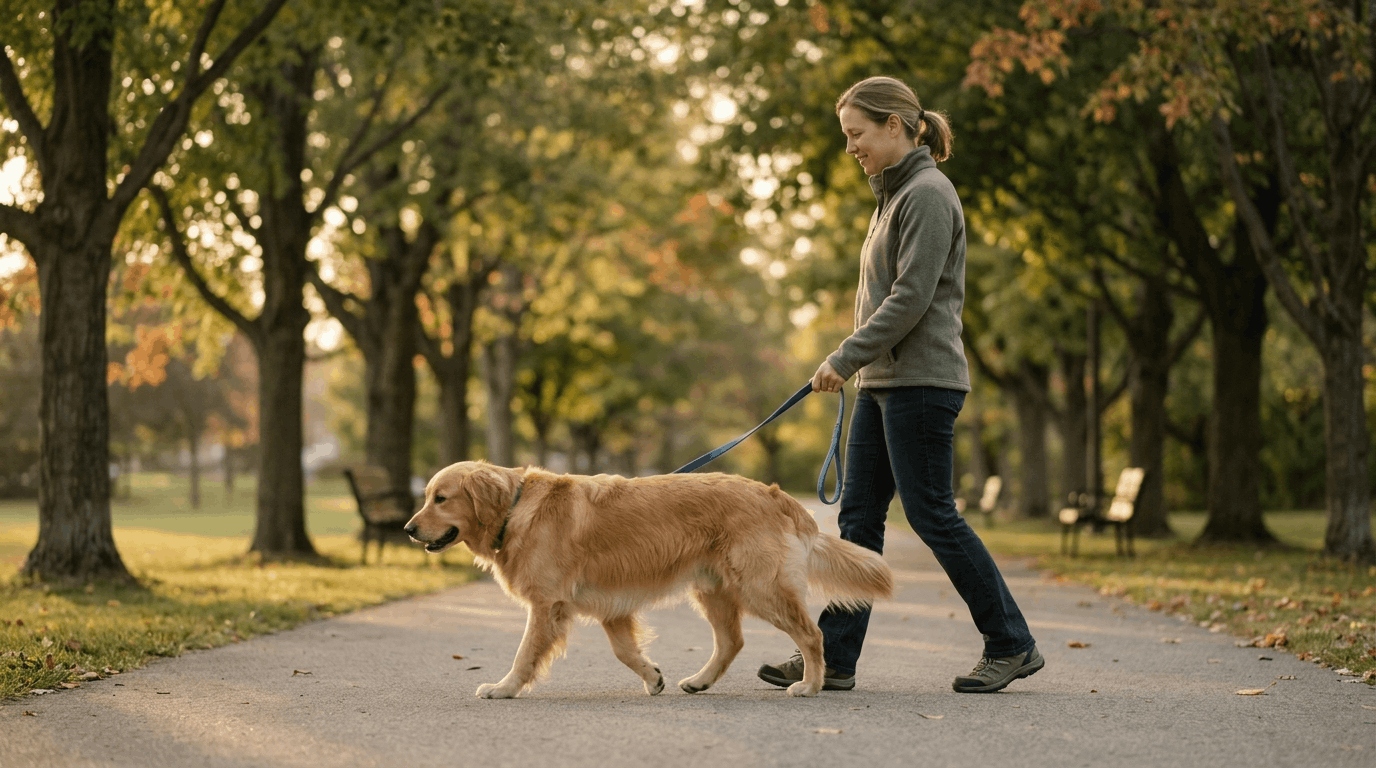
Walking your dog should feel like a peaceful break in your day, not a stressful battle of pulling, barking, and frustration. However, many dog owners struggle with chaotic outings that leave both them and their pets tense and exhausted. The good news is that calm dog walks are completely achievable with the right mindset, structure, and consistency. Once you understand what drives your dog’s behavior and how to guide it, every walk can become something you both look forward to.
At the core of calm dog walks is balance. Your dog needs both physical exercise and mental stability, and when those two elements are out of sync, problems quickly appear. For example, a dog that is overstimulated or under-trained may react strongly to every sound, movement, or distraction. On the other hand, a dog that feels secure and guided tends to move with you instead of against you. That shift alone changes everything about the walking experience.
Why Walks Become Stressful Over Time
Many people assume that dogs naturally know how to behave on a leash, but that is rarely the case. In fact, most dogs learn habits based on repetition, and if pulling or reacting gets them what they want, they will continue doing it. Over time, those habits become harder to break, which is why calm dog walks often feel out of reach for frustrated owners.
Additionally, modern environments play a role. Busy streets, loud noises, and constant distractions can overwhelm dogs, especially those that are sensitive or high-energy. When a dog feels overstimulated, it may respond by pulling, barking, or refusing to listen. As a result, the walk quickly turns into a stressful experience rather than a calming one.
Another common factor is inconsistent leadership. Dogs look for guidance, and when that guidance is unclear, they often take control themselves. While that may seem harmless at first, it usually leads to more tension during walks. Therefore, creating calm dog walks starts with establishing clear communication and expectations.
The Mindset Shift That Changes Everything
Before focusing on techniques, it is important to adjust your mindset. Calm dog walks are not just about physical movement; they are about emotional control and connection. When you approach walks with patience and intention, your dog is more likely to mirror that calm energy.
Instead of rushing out the door, take a moment to prepare your dog mentally. If your dog is overly excited before the walk even begins, that energy will carry into the entire experience. So, wait for a calm state before stepping outside. This small change sets the tone for everything that follows.
Moreover, consistency matters more than perfection. You do not need flawless walks every time, but you do need a steady approach. Over time, your dog will begin to understand what is expected, and calm dog walks will become the new normal.
Building Better Walking Habits Step By Step
Improving your dog’s walking behavior does not happen overnight, but steady progress is what creates lasting results. Start by focusing on leash pressure. When your dog pulls, avoid reacting with frustration. Instead, stop moving or gently change direction. This teaches your dog that pulling does not lead to forward progress.
At the same time, reward calm behavior. When your dog walks beside you without tension, acknowledge it with praise or a small treat. Positive reinforcement helps your dog associate calm movement with good outcomes, which naturally encourages better habits.
Another helpful approach is managing your environment. If your dog struggles with distractions, begin in quieter areas before gradually introducing more challenging settings. This gradual exposure helps your dog build confidence without becoming overwhelmed.
In addition, keep your body language relaxed. Dogs are highly sensitive to human energy, and if you are tense or rushed, your dog will pick up on that. By staying calm and steady, you reinforce the behavior you want to see.
Understanding Your Dog’s Triggers
Every dog has unique triggers, and recognizing them is essential for creating calm dog walks. Some dogs react to other animals, while others may be sensitive to noises, people, or sudden movements. Identifying these triggers allows you to manage situations more effectively.
For example, if your dog reacts strongly to other dogs, create distance before the reaction begins. This prevents escalation and helps your dog stay within a manageable emotional state. Over time, you can slowly reduce that distance as your dog becomes more comfortable.
Additionally, watch for early signs of stress. Subtle cues like stiff posture, focused staring, or increased pacing often signal that your dog is becoming overwhelmed. When you notice these signs early, you can redirect your dog’s attention before the behavior intensifies.
By staying proactive rather than reactive, calm dog walks become much easier to maintain.
The Role Of Structure And Routine
Dogs thrive on structure, and predictable routines help them feel secure. When walks happen at consistent times and follow a familiar pattern, your dog knows what to expect. This reduces anxiety and makes calm dog walks more achievable.
Start with a simple routine. For instance, have your dog sit calmly before putting on the leash. Then, wait for a relaxed state before stepping outside. These small rituals create a sense of order and reinforce calm behavior.
During the walk, maintain a steady pace. Avoid sudden stops or unpredictable movements unless you are using them intentionally as training tools. A consistent rhythm helps your dog stay focused and reduces unnecessary excitement.
After the walk, allow your dog to settle down gradually. Instead of immediately engaging in high-energy activities, encourage a calm transition. This reinforces the idea that walks are balanced experiences rather than chaotic bursts of energy.
Choosing The Right Equipment Matters
The tools you use can also influence your walking experience. While no equipment can replace training, the right gear can support your efforts. For example, a well-fitted harness or collar can provide better control without causing discomfort.
However, it is important to use equipment correctly. Even the best tools will not create calm dog walks if they are used inconsistently or without proper guidance. Focus on technique first, then use equipment as a supportive aid.
In addition, avoid relying on tools that promise instant results without training. Lasting change comes from teaching your dog how to behave, not from forcing compliance. When your dog understands what is expected, the need for corrective tools decreases naturally.
Turning Walks Into Positive Experiences
One of the most effective ways to create calm dog walks is by making them enjoyable for your dog. This does not mean allowing uncontrolled behavior, but rather creating a balanced experience that meets your dog’s needs.
Incorporate moments of exploration, such as allowing your dog to sniff in designated areas. Sniffing is mentally stimulating and can help reduce stress. When done in a controlled way, it enhances the overall walking experience.
At the same time, keep engagement with you as a priority. Periodically call your dog’s attention and reward focus. This strengthens your connection and keeps your dog tuned in to your guidance.
Variety can also help. Changing routes occasionally introduces new experiences while preventing boredom. However, maintain structure even in new environments to ensure consistency.
Common Mistakes That Disrupt Progress
Even with the best intentions, certain habits can slow down progress. One common mistake is inconsistency. If rules change from one walk to another, your dog may become confused, which leads to mixed behavior.
Another mistake is reacting emotionally to setbacks. While frustration is natural, it often makes the situation worse. Instead, treat challenges as learning opportunities and adjust your approach as needed.
Over-correcting is another issue. Too much correction without positive reinforcement can create fear or resistance. Balanced training that rewards good behavior is far more effective in creating calm dog walks.
Lastly, skipping mental preparation before walks can lead to unnecessary excitement. Taking a few moments to establish calm energy makes a noticeable difference in how the walk unfolds.
Long-Term Benefits Of Calm Walking Habits
Once you establish calm dog walks, the benefits extend beyond daily outings. Your dog becomes more focused, confident, and responsive in various situations. This improved behavior often carries over into other areas of life, such as interactions at home or in public spaces.
Additionally, walking becomes something you genuinely enjoy. Instead of dreading the struggle, you begin to look forward to the connection and relaxation that walks provide. This shift improves not only your dog’s well-being but also your own.
Over time, calm dog walks strengthen the bond between you and your dog. Trust builds naturally when communication is clear and consistent, and that trust becomes the foundation for a healthier relationship.
Conclusion
Creating calm dog walks is not about quick fixes or shortcuts. It is about understanding your dog, building consistent habits, and maintaining a steady, patient approach. While progress may take time, every small improvement adds up to a more peaceful and enjoyable experience.
By focusing on structure, communication, and positive reinforcement, you can transform even the most challenging walks into calm, rewarding moments. The key is to stay consistent, remain patient, and celebrate progress along the way. In the end, calm dog walks are not just possible—they can become your new normal.
FAQ
- How long does it take to improve walking behavior?
Most dogs show improvement within a few weeks with consistent training, although full progress depends on the dog’s habits and environment. - What should I do if my dog pulls constantly?
Stop moving when your dog pulls and reward calm walking. Consistency helps your dog learn that pulling does not lead to progress. - Can older dogs still learn better walking habits?
Yes, dogs of any age can improve their behavior with patience and proper training techniques. - Is it okay to let my dog sniff during walks?
Yes, controlled sniffing provides mental stimulation and can help reduce stress, making walks more enjoyable. - Why does my dog react to other dogs on walks?
Reactivity often comes from fear, excitement, or lack of socialization. Gradual exposure and training can help reduce these reactions.

