
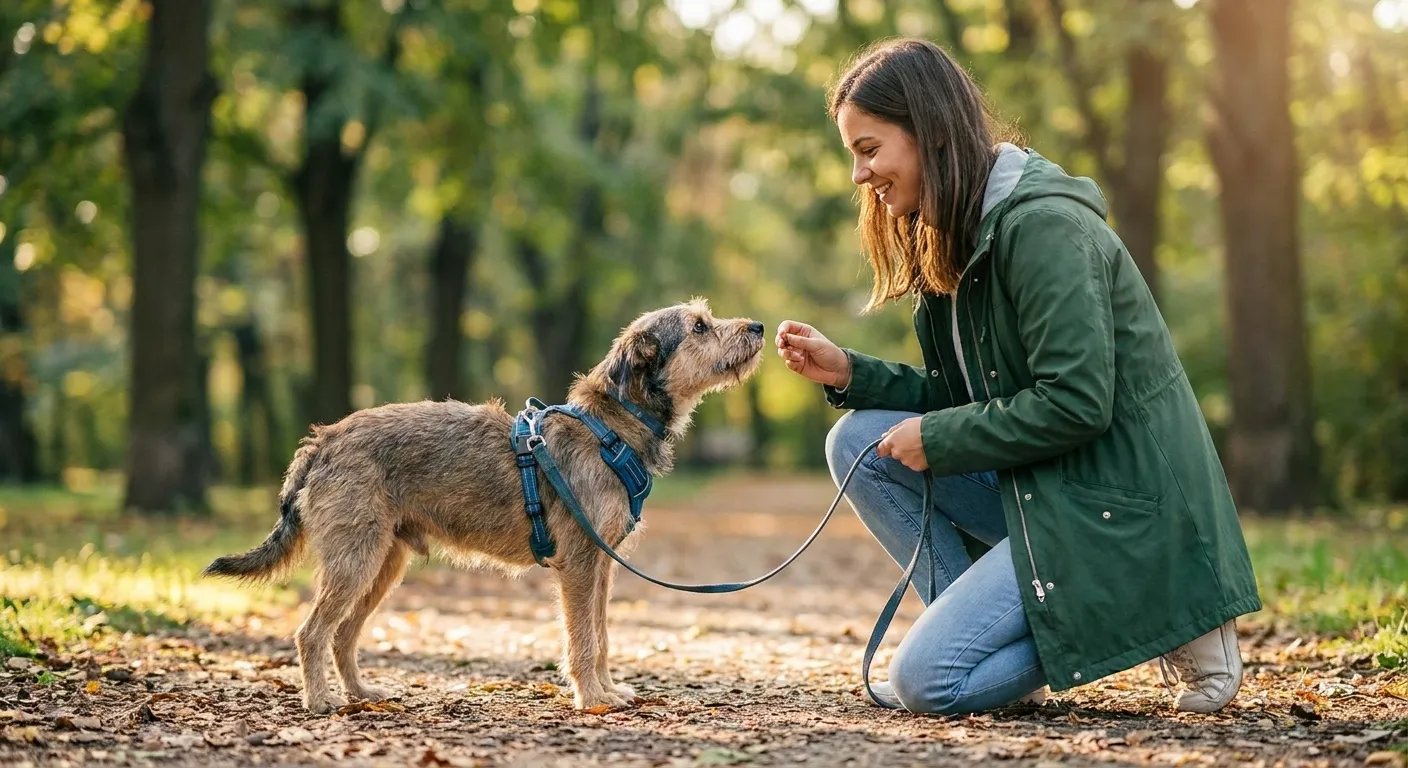
For many dog owners, walks are a highlight of the day, a chance for both human and canine to explore and connect. However, for those with shy or anxious dogs, the prospect of an outing can often feel overwhelming. Helping an anxious dog walking confidently requires patience, empathy, and a strategic approach. It’s truly about building positive associations with the outside world, one gentle step at a time, fostering a sense of safety and trust for your beloved companion.
Understanding Your Dog’s Anxious Walking Behavior
First, it’s essential to recognize the subtle and overt signs of anxiety or fear in your dog during walks. These can include a tucked tail, flattened ears, lip licking, yawning, or excessive sniffing – which often serves as a displacement behavior. Furthermore, some dogs might pull vigorously to get away, freeze in place, or even exhibit barking and lunging, which are frequently rooted in fear-based reactivity. Understanding these signals allows you to intervene proactively, ideally before your dog becomes completely overwhelmed. The primary goal isn’t to force them into uncomfortable situations, but rather to gradually expose them in a controlled, positive way. Therefore, identifying their specific triggers is crucial. Is it other dogs, unfamiliar people, loud noises, or particular environments? Knowing these helps you meticulously plan routes and manage potential encounters effectively.
Setting Up for Success: Essential Gear and Mindset
Preparation is key when you’re working with a fearful or shy pup. Investing in the right gear can make a significant difference in your dog’s comfort and your ability to manage situations. A well-fitting, comfortable harness that doesn’t put pressure on their throat is ideal. For example, front-clip harnesses can offer more control without causing discomfort. Always use a regular leash, avoiding retractable leashes because they offer less control and can even be dangerous if your dog bolts. Moreover, your mindset plays a huge role. Approach each walk with a calm, positive, and patient attitude. Your dog picks up on your emotions, so staying relaxed helps them feel more secure. Remember, this journey is about progress, not perfection.
Strategies for Building Confidence Outdoors
1. Start Small and Stay Below Threshold
Begin in very quiet, low-distraction environments where your dog instinctively feels safe. This might be your own backyard, a very quiet street during off-peak hours, or even just sitting on your porch observing the world from a distance. Keep initial ‘walks’ incredibly short and focused exclusively on positive experiences. The ‘threshold’ is the precise point where your dog starts to show noticeable signs of anxiety; always aim to stay comfortably below this point. If they react negatively, you’ve likely gone too far, too fast. Consequently, retreat to a comfortable distance and try again later, perhaps in an even less stimulating environment.
2. Positive Reinforcement is Your Best Friend
Always carry high-value treats – think small, soft, and incredibly tasty morsels your dog absolutely loves. Reward calm, curious, or relaxed behavior frequently and generously. If your dog looks at a trigger (like another dog or person) without reacting, reward them immediately. If they choose to look at you instead of the trigger, reward them even more enthusiastically! This process builds a powerful positive association: ‘new things mean good things (treats) happen when I’m calm and focused on my human.’ Furthermore, pair treats with verbal praise and gentle petting if your dog enjoys it.
3. Create a Safe Bubble
Advocating for your dog means giving them ample space from potential triggers. If you spot another dog approaching, cross the street, turn around, or step behind a parked car or bush. Don’t hesitate to politely inform strangers not to approach or pet your dog without your permission. This action clearly communicates to your dog that you are their protector and they can absolutely trust you to keep them safe. Maintaining this ‘safe bubble’ is fundamental for reducing their stress levels and helping them feel secure during anxious dog walking.
4. Practice ‘Look at Me’ and Other Engagement Cues
Train a strong ‘look at me’ cue at home in a distraction-free environment. This simple command can be a lifesaver on walks, effectively redirecting your dog’s focus from a potential trigger back to you. Reward heavily for sustained eye contact. In addition, practice other engagement games, like targeting your hand or simple recalls, in low-distraction areas. These games build your dog’s focus on you, making them less prone to fixating on environmental stressors. You can find more ideas for engaging your dog with interactive toys and puzzle toys that can be used to build focus at home.
Environmental Management and Gradual Exposure
Managing your dog’s environment is paramount for successful anxious dog walking. This involves careful planning of your routes and timing. Initially, choose times of day when fewer people and dogs are out. Explore quiet residential streets, empty parks, or even large, open fields. As your dog gains confidence, you can gradually introduce slightly more stimulating environments, but always at their pace. Remember the threshold rule: if they show signs of stress, you’ve advanced too quickly. Consider using a long line (a 15-30 foot leash) in a safe, enclosed area to allow them more freedom to explore without feeling trapped, while still maintaining control. This can be a wonderful way for a shy dog to experience a sense of adventure.
The Role of Desensitization and Counter-Conditioning
Desensitization involves gradually exposing your dog to their triggers at a low intensity, while counter-conditioning changes their emotional response to that trigger from negative to positive. For example, if your dog is fearful of other dogs, you might start by observing another dog from a significant distance where your dog is barely aware of its presence. As soon as your dog notices the other dog without reacting, immediately provide high-value treats. Over time, you slowly decrease the distance, always ensuring your dog remains calm and happy, associating the presence of other dogs with delicious rewards. This systematic approach is incredibly effective for helping with anxious dog walking.
Seeking Professional Guidance for Anxious Dog Walking
While these strategies are highly effective, some dogs require more specialized support. If your dog’s anxiety is severe, or if you’re struggling to make progress, don’t hesitate to consult a certified professional dog trainer or a veterinary behaviorist. These experts can provide tailored advice, identify underlying issues, and guide you through more advanced behavior modification techniques. They can also help rule out any medical conditions that might be contributing to your dog’s anxiety. Professional help can make a huge difference in your dog’s journey to confident outdoor experiences. For severe cases, sometimes muzzles can be introduced safely and positively to ensure safety during training, though this should always be done under professional guidance.
Building Trust and Connection
At the heart of helping an anxious dog walking with confidence is building an unbreakable bond of trust and connection. Your dog needs to know that you are their unwavering advocate and protector. This means being consistent, patient, and always responding with empathy. Spend quality time together off-leash in safe, familiar environments, engaging in play and positive training sessions. The stronger your relationship, the more secure your dog will feel in your presence, even when facing the challenges of the outside world. Celebrate every small victory – a moment of calm, a curious sniff, a relaxed posture. These are all milestones on the path to a happier, more confident companion.
Beyond the Walk: Holistic Support for Anxiety
Addressing anxiety in dogs often requires a holistic approach that extends beyond just the walk itself. Consider their overall well-being. Are they getting enough mental stimulation at home? Chew toys and puzzle toys can be excellent for this, providing outlets for natural behaviors and reducing stress. Is their diet balanced? Are they getting enough quality sleep? Sometimes, calming supplements or pheromone diffusers can also be helpful, but always discuss these options with your veterinarian first. A well-rounded approach ensures you’re supporting your dog’s emotional health from all angles, making the outdoor world a less daunting place. Ensuring they have proper ID tags and GPS trackers can also provide peace of mind during walks.
Long-Term Perspective: The Journey of an Anxious Dog Walking
Remember, helping an anxious dog walking confidently is a journey, not a sprint. There will be good days and challenging days. The key is consistency, patience, and unwavering positive support. Celebrate every small victory – a moment of calm observation, a relaxed sniff of a new scent, or choosing to look at you instead of a perceived threat. Maintain a calm demeanor yourself, as your emotions can easily transfer to your dog. Be your dog’s biggest advocate, creating a safe and predictable world for them. With consistent, positive reinforcement and a deep understanding of their needs, your dog will gradually learn that the world isn’t so scary after all. They will discover the joy of exploring alongside you, turning stressful outings into enriching adventures. For more insights and tips, explore our blog.
Conclusion
Helping your shy or anxious dog navigate the world with greater confidence is one of the most rewarding journeys you can embark on as a dog owner. By understanding their signals, implementing patient and positive training strategies, and advocating for their needs, you can transform stressful walks into enjoyable experiences. It takes time, dedication, and a whole lot of love, but the sight of your dog exploring the world with a relaxed tail and a curious sniff is an unparalleled reward. Keep celebrating those small wins, maintain your calm and encouraging spirit, and watch your beloved companion blossom into a more confident explorer. You’ve got this, and more importantly, your dog has you.
FAQ
What are common signs of a dog being anxious on walks?
Common signs include a tucked tail, flattened ears, lip licking, yawning, excessive sniffing, pulling to get away, freezing, or even barking and lunging. Recognizing these behaviors early is crucial for effective intervention.
How can I make walks more positive for my fearful dog?
Focus on positive reinforcement by using high-value treats for calm behavior, start in low-distraction areas, keep walks short, and gradually increase exposure. Always aim to stay below your dog’s anxiety threshold.
When should I seek professional help for my dog’s fear of walks?
If your dog’s anxiety is severe, you’re not seeing progress with your methods, or you suspect an underlying medical condition, it’s highly recommended to consult a certified professional dog trainer or a veterinary behaviorist.
What equipment is best for a dog who struggles with walking?
A comfortable, well-fitting harness (like a front-clip harness) and a regular, sturdy leash are generally recommended. Avoid retractable leashes as they offer less control and can be counterproductive for training.
How important is my own demeanor during walks with my nervous dog?
Your calm and confident demeanor is incredibly important. Dogs are highly attuned to our emotions, so staying relaxed and positive helps your dog feel more secure and less anxious during outdoor excursions.
Can I use calming supplements to help my dog with walking anxiety?
Calming supplements or pheromone diffusers can sometimes be helpful as part of a broader strategy, but you should always discuss these options with your veterinarian first to ensure they are appropriate and safe for your dog.

