
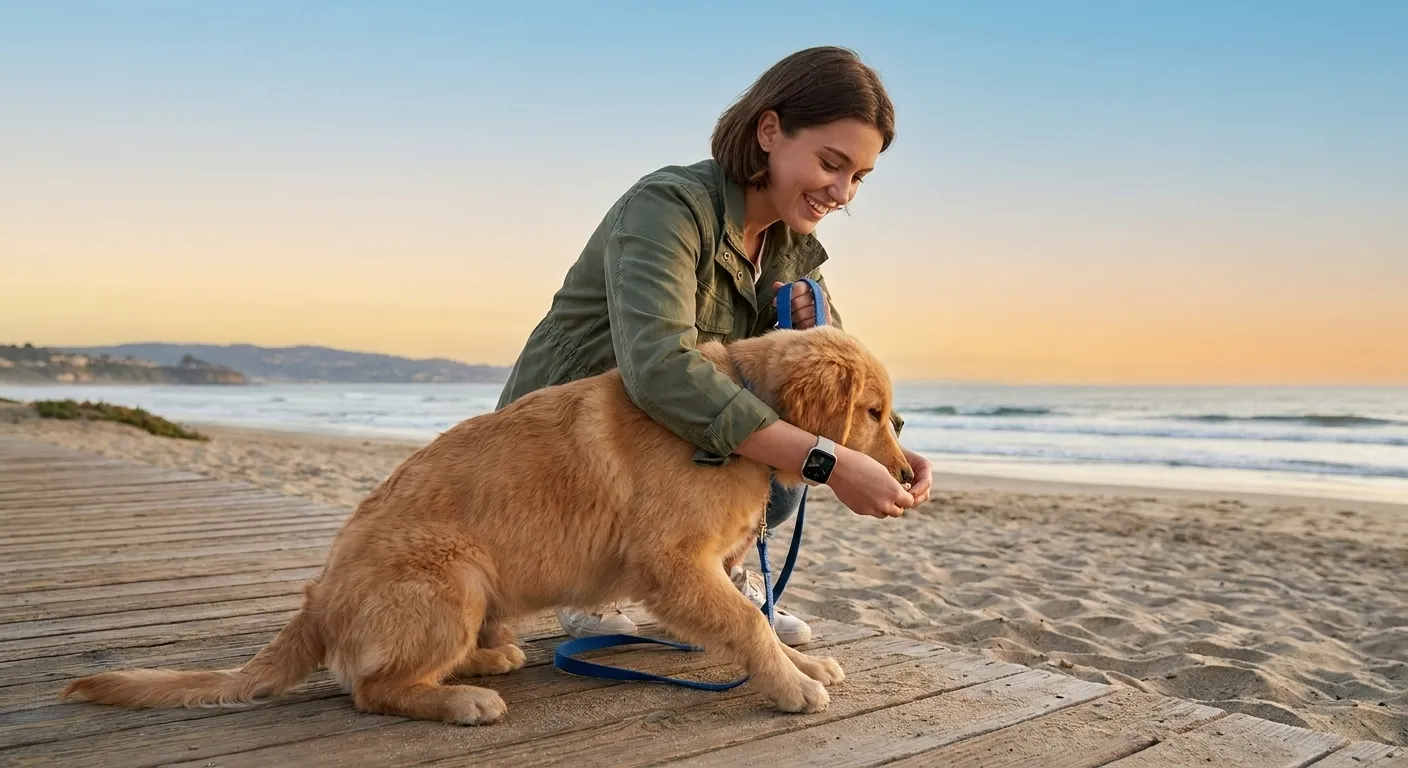
Introducing your dog to new walking environments can be an exciting adventure, yet for some dogs, it can also be a source of anxiety or overstimulation. As pet parents, our goal is to make these transitions smooth and positive, thereby building our dog’s confidence and adaptability. A thoughtful approach furthermore ensures your dog learns to enjoy novelty rather than fear it. Indeed, fostering a sense of security during these explorations strengthens your bond and enriches their lives significantly.
Preparing for New Walking Environments
Before you even step out, preparation is absolutely key. Initially, ensure your dog is comfortable with basic obedience cues like ‘sit,’ ‘stay,’ and ‘look at me’ in familiar, low-distraction settings. These cues will prove invaluable tools in more distracting new walking environments. Specifically, practicing ‘look at me’ can be a lifesaver when you need to redirect your dog’s focus. Consequently, choose a time of day when the new location is less crowded, allowing for a calmer initial experience. Moreover, always bring high-value treats, your dog’s favorite toy, and plenty of water. A comfortable, well-fitting harness furthermore provides security and control without causing discomfort. Consider a longer leash, perhaps 6-10 feet (definitely not a retractable one), to give them a bit more freedom to explore safely, while still maintaining control. This allows for natural sniffing, which is incredibly enriching for dogs.
Understanding Your Dog’s Body Language
Recognizing your dog’s signals is paramount for successful outings. For instance, a relaxed dog might have a loose body, wagging tail, and soft eyes. Conversely, signs of stress include a tucked tail, excessive yawning, lip licking, panting when not hot, or trying to pull away. Paying attention to these subtle cues allows you to intervene proactively, preventing situations from escalating. Furthermore, observe their ears and posture; flattened ears or a stiff body often indicate discomfort. By understanding these signals, you can adjust your approach, offering comfort or creating distance as needed. This empathetic response builds trust and reinforces your role as their protector.
Essential Gear for Exploration
Having the right equipment makes a world of difference. A well-fitted harness, as mentioned, prevents strain on their neck and offers better control. Consider a front-clip harness if your dog tends to pull. Additionally, a sturdy, non-retractable leash is crucial for safety and effective communication. For walks in varied conditions, safety vests can enhance visibility, especially during dawn or dusk. Don’t forget poop bags – being a responsible pet owner is always in style! Moreover, a portable water bottle and bowl are essential for longer excursions, keeping your dog hydrated. Finally, a small pouch filled with an assortment of high-value treats will keep your dog engaged and motivated to learn in novel surroundings.
Steps for a Successful Introduction to Unfamiliar Places
When you arrive at the new location, start by observing your dog’s body language closely. Are they curious, or are they showing signs of stress? Begin with a short visit, perhaps just a few minutes, focusing entirely on positive experiences. Allow them to sniff and explore at their own pace; sniffing is a natural stress reliever. Reward calm behavior frequently with praise and treats. If they seem overwhelmed, calmly move to a quieter area or end the visit for the day. Gradually increase the duration and the level of distraction on subsequent visits. Practice ‘look at me’ and other cues, rewarding generously when they focus on you amidst the new stimuli. Remember, the ultimate goal is positive association; you want them to link new places with good feelings and rewards. If you encounter a trigger, like a loud noise or another dog, calmly redirect your dog’s attention with a treat or a game, and then move away if necessary. Building positive experiences in new walking environments takes time and patience, but the payoff is a more confident and adaptable companion.
Gradual Exposure is Key
Think of it as a series of small, successful steps rather than one giant leap. Initially, just sitting in your car at the new location, observing the surroundings, can be a great starting point. Then, take a very short walk, perhaps just around the parking lot. Over time, slowly extend the duration and distance of your walks. Furthermore, vary the types of new walking environments you introduce, starting with quieter parks and gradually moving to busier areas like dog-friendly shopping districts. This systematic approach prevents your dog from becoming overstimulated and helps them generalize their positive experiences to a wider range of settings. Remember, patience is your superpower here.
Positive Reinforcement in Action
Every interaction in a new place is an opportunity for positive reinforcement. When your dog looks at you, offers a calm sit, or ignores a distraction, immediately reward them. Use their favorite treats or a quick game with a favorite toy. This creates a strong positive association with the new environment and with focusing on you. Moreover, avoid punishment or harsh corrections, as these can increase anxiety and create negative associations. Your dog should see new places as fun opportunities, not sources of fear. By consistently rewarding desired behaviors, you’re teaching them what you want them to do, rather than just what you don’t want them to do. This approach fosters a joyful learning experience.
Managing Distractions and Triggers
Distractions are inevitable, but your response can make all the difference. If another dog approaches and your dog becomes anxious, calmly create distance. Use your ‘look at me’ cue and reward them for focusing on you. Similarly, if a loud truck passes, acknowledge it with a calm voice and offer a treat. The goal isn’t to eliminate distractions but to teach your dog how to cope with them in a positive way. This might involve changing your route or even ending a walk early if your dog is truly overwhelmed. Remember, it’s always better to end on a positive note, even if it’s a short outing. For dogs with specific anxieties, bark control devices are generally not recommended as they can increase fear; instead, focus on positive training methods.
Building Confidence Beyond the Walk
The lessons learned in new walking environments extend far beyond the leash. A confident dog is generally a happier, more adaptable dog in all aspects of life. Consider enrolling in an advanced obedience class or a dog sport like agility or nose work, which further builds focus and problem-solving skills. These activities provide structured exposure to novel places and experiences, reinforcing the positive associations you’ve worked so hard to establish. Furthermore, continued socialization with well-behaved dogs in controlled settings can enhance their comfort around other canines. Regularly reviewing and practicing basic cues in various locations also solidifies their understanding and responsiveness, making future explorations even smoother. This ongoing engagement supports their overall well-being.
The Role of Mental Stimulation
Beyond physical exercise, mental stimulation is vital for a well-adjusted dog. Introducing puzzle toys before or after walks can help burn off mental energy and reinforce positive associations with home. Similarly, practicing new tricks or engaging in scent games at home can build their cognitive skills, which translates to better focus outdoors. A mentally tired dog is often a calmer dog. Moreover, varying your walking routes and exploring different types of terrain also offers novel sensory input, which is a form of mental enrichment. This holistic approach ensures your dog is not only physically fit but also mentally engaged and resilient.
Patience and Persistence Pay Off
It’s important to remember that every dog is an individual. Some dogs will adapt quickly to new walking environments, while others will require more time and patience. There will be good days and challenging days, and that’s perfectly normal. Celebrate the small victories – a moment of calm focus, a curious sniff, a relaxed tail wag. Avoid comparing your dog’s progress to others. Instead, focus on your dog’s unique journey and tailor your approach to their specific needs. Consistency, empathy, and a positive attitude from you are the most powerful tools in your training arsenal. Ultimately, your unwavering support is what truly helps them thrive. You’re building a foundation of trust that will last a lifetime.
Embracing the Journey Together
Every successful outing builds confidence, not just in your dog, but in your partnership. Celebrate each small step forward, and soon, exploring new places will become a joyous activity you both anticipate. Remember, you are your dog’s guide and protector in this big, exciting world. By approaching new walking environments with patience, positive reinforcement, and a deep understanding of your dog’s needs, you are not just teaching them to walk in different places; you are teaching them to navigate life with confidence and joy. This shared journey strengthens your bond and creates countless cherished memories. So, leash up, grab those treats, and embark on your next adventure with enthusiasm! For more insights into dog care and training, be sure to check out our blog, where we share a wealth of tips and advice for tech-savvy millennial and Gen Z dog owners. Further information on responsible pet ownership can be found at ASPCA.org, and for deeper dives into dog behavior, visit AKC.org’s training section.
Conclusion: A Confident Companion Awaits
In conclusion, transforming potentially stressful encounters into positive experiences in new walking environments is a journey of understanding, patience, and consistent positive reinforcement. By preparing thoroughly, recognizing your dog’s cues, and gradually introducing them to novel settings, you empower them to explore the world with curiosity rather than fear. This not only makes walks more enjoyable for both of you but also cultivates a more resilient and confident companion. Keep celebrating those small wins, maintain an encouraging spirit, and watch your dog blossom into an adventurous explorer, ready for whatever exciting new walking environments await.
FAQ
How can I tell if my dog is stressed in a new place?
Look for signs like a tucked tail, flattened ears, excessive panting, yawning, lip licking, reluctance to move, or trying to hide. A stiff body or a sudden change in their usual demeanor also indicates discomfort. It’s important to recognize these signals early.
What should I do if my dog gets overwhelmed during a walk in an unfamiliar area?
If your dog becomes overwhelmed, calmly move to a quieter spot, or if possible, end the walk for the day. Offer a high-value treat to redirect their focus, and avoid forcing them into situations that cause distress. Short, positive experiences are more beneficial than long, stressful ones.
Is it better to use a short or long leash for exploring different locations?
A longer leash, typically 6-10 feet (non-retractable), is generally better for exploring new areas. It allows your dog more freedom to sniff and investigate their surroundings, which is enriching, while still giving you control. A shorter leash might be too restrictive in a novel setting.
How often should I introduce my dog to new places?
The frequency depends on your dog’s individual personality and adaptability. For some, once or twice a week might be ideal, while others may need a slower pace. The key is to ensure each experience is positive and ends before your dog becomes overly tired or stressed. Consistency over intensity is crucial.
What are some good initial places to take my dog for their first experiences with new surroundings?
Start with quiet, less crowded locations such as a calm neighborhood park during off-peak hours, a quiet walking trail, or a friend’s spacious backyard. Avoid busy urban areas or dog parks initially. The goal is to minimize distractions and create a peaceful first impression of different environments.
Can training games help my dog adjust to various locations?
Absolutely! Incorporating training games like ‘find it’ (scattering treats) or practicing ‘recall’ in a new setting can make the experience more fun and engaging. These games help your dog associate the new location with positive activities and rewards, building confidence and focus on you amidst distractions.

