
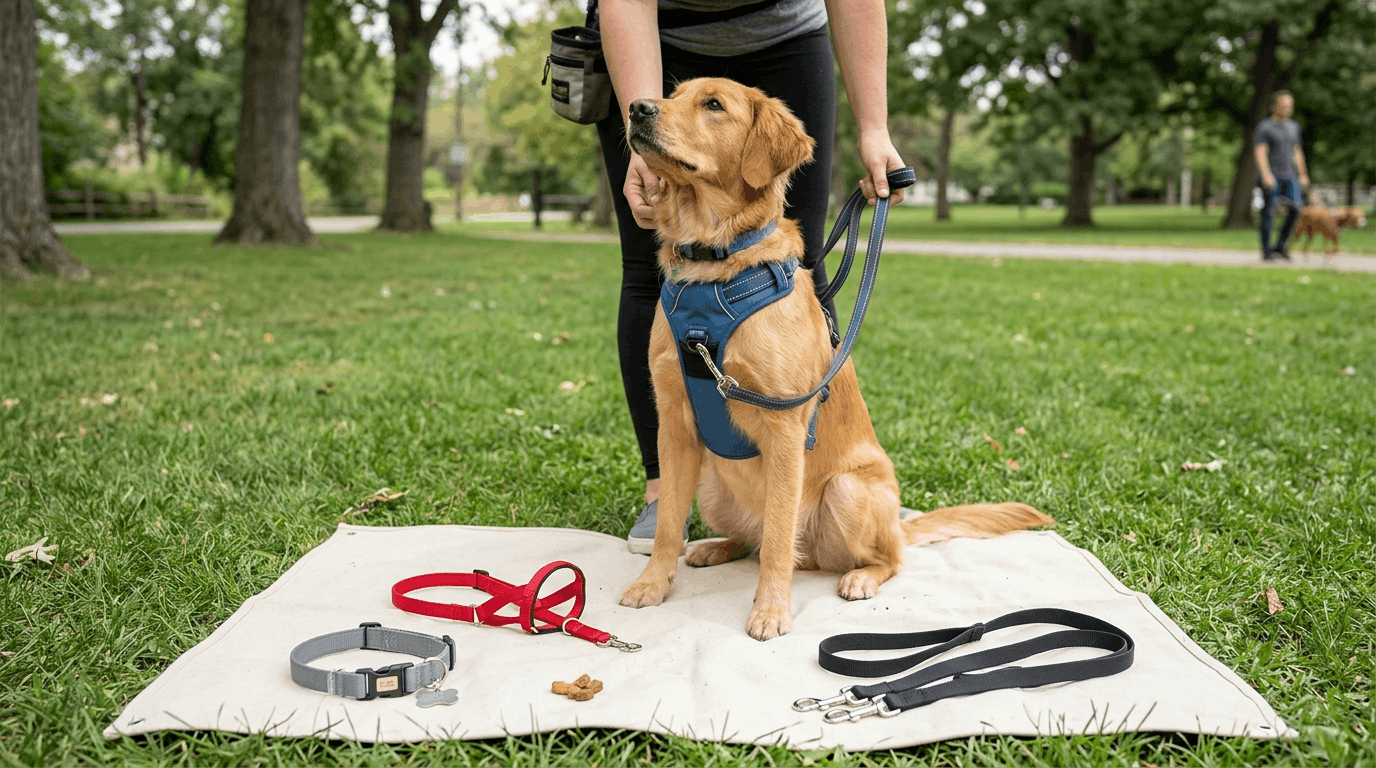
Walking your dog should feel smooth and enjoyable, yet constant pulling can quickly turn it into a frustrating experience. No pull dog training is essential for restoring control, improving safety, and creating a more relaxed routine for both you and your dog. While training takes time, the right tools can speed up progress and make the process far more manageable. However, tools alone are not magic solutions, so understanding how they work is just as important as choosing them.
Many dogs pull simply because it works. When they lean forward and move faster, they reach what they want. Over time, this behavior becomes a habit that feels natural to them. As a result, no pull dog training must interrupt that pattern and replace it with calmer movement. Fortunately, modern training tools are designed to guide behavior gently while supporting consistent learning.
Why Pulling Happens And How Tools Help
Pulling often starts with excitement, curiosity, or lack of structure. Dogs naturally want to explore their surroundings, and without guidance, they tend to move ahead of their owner. Consequently, the leash becomes tight, and tension builds throughout the walk. No pull dog training tools work by reducing this tension and redirecting movement in a controlled way.
Instead of relying on force, effective tools create feedback that encourages better behavior. For example, when a dog pulls, the tool gently shifts its direction or reduces forward motion. This teaches the dog that pulling does not lead to progress. Over time, this repeated feedback supports no pull dog training and helps establish calmer walking habits.
Additionally, tools provide consistency. Even if your timing is not perfect, the tool reinforces the same message every time your dog pulls. This consistency speeds up learning and makes training more effective.
Front Clip Harnesses For Immediate Control
One of the most popular options for no pull dog training is the front clip harness. Unlike traditional harnesses, which can encourage pulling, front clip designs attach the leash at the chest. This changes how force is distributed and makes it easier to guide your dog.
When your dog pulls forward, the harness redirects its body slightly to the side. As a result, your dog cannot continue moving straight ahead with force. This simple adjustment helps break the pulling habit while keeping your dog comfortable.
Another advantage is safety. Front clip harnesses reduce pressure on the neck, which lowers the risk of injury. At the same time, they give you better control without requiring excessive strength. For many owners, this tool becomes a key part of no pull dog training because it delivers quick and noticeable results.
However, proper fit is important. A loose harness may shift too much, while a tight one can cause discomfort. Therefore, always adjust it carefully to ensure effectiveness and comfort.
Head Collars For Strong Pullers
For dogs that pull with significant force, head collars can offer additional control. These tools work by guiding the dog’s head, which naturally influences the direction of movement. When the head turns, the body follows, making it easier to manage pulling behavior.
No pull dog training with a head collar often feels different at first, both for the dog and the owner. Dogs may need time to adjust, so introducing the tool gradually is important. Once they become comfortable, many owners notice a dramatic improvement in control.
In addition, head collars can reduce sudden lunges. Because they guide the head rather than the body, they limit the dog’s ability to generate strong forward momentum. This makes walks safer and less physically demanding.
Still, proper use is essential. Jerking the leash while using a head collar can cause discomfort, so always apply gentle guidance. When used correctly, this tool supports no pull dog training effectively and helps maintain calm, controlled walks.
No Pull Leashes With Built In Features
Certain leashes are designed specifically to support no pull dog training by adding helpful features. Shock-absorbing leashes, for example, include elastic sections that reduce the impact of sudden pulls. This protects your joints while making the experience more comfortable.
Double-handle leashes are another useful option. They provide an additional grip closer to your dog, allowing you to regain control quickly in busy or high-distraction areas. This added flexibility helps prevent situations where pulling could escalate.
Some leashes also include adjustable lengths, which allow you to maintain better control in different environments. Shorter lengths are ideal for crowded areas, while slightly longer ones work well in open spaces. By adapting your leash setup, you support no pull dog training more effectively.
Although these tools do not replace training, they complement your efforts by reducing strain and improving responsiveness.
Training Collars And When To Use Them Carefully
Training collars, such as martingale collars, can also play a role in no pull dog training when used responsibly. These collars tighten slightly when the dog pulls, providing gentle feedback without choking. This helps discourage pulling while maintaining safety.
However, these tools require proper understanding. Misuse can lead to discomfort or confusion, which may slow down progress. Therefore, it is important to combine them with positive reinforcement rather than relying on correction alone.
When used correctly, training collars can support better leash manners and reinforce calm behavior. They are often most effective for dogs that respond well to subtle feedback rather than strong redirection.
Still, they should not be the first choice for every dog. Consider your dog’s temperament and training needs before introducing this type of equipment.
Combining Tools With Consistent Training
Even the best tools will not work without consistent training. No pull dog training requires clear communication, repetition, and patience. Tools simply make the process easier and more efficient.
Start by reinforcing calm walking behavior. When your dog walks without pulling, reward it immediately. This helps create a positive association with staying close to you. Over time, your dog learns that calm behavior leads to rewards.
At the same time, avoid rewarding pulling unintentionally. If your dog pulls and still moves forward, the behavior continues. Instead, pause or change direction to break the pattern. This reinforces the idea that pulling does not lead to progress.
Consistency is key. Every walk should follow the same approach, even when using different tools. By combining structure with the right equipment, no pull dog training becomes more effective and sustainable.
Common Mistakes That Slow Progress
While tools can help, certain mistakes can limit their effectiveness. One common issue is switching tools too often. When dogs experience inconsistent feedback, they struggle to learn what is expected. Therefore, stick with one tool long enough to see results.
Another mistake is relying only on equipment without training. Tools are designed to support behavior change, not replace it. Without proper guidance, the problem may return once the tool is removed.
In addition, using tools incorrectly can create confusion. For example, pulling back harshly on a leash can increase resistance instead of reducing it. Gentle, consistent guidance is far more effective for no pull dog training.
Lastly, impatience can slow progress. While some tools deliver quick improvements, lasting results still require time. By staying patient and consistent, you allow your dog to develop reliable habits.
Choosing The Right Tool For Your Dog
Every dog is different, so the best tool depends on your dog’s size, strength, and behavior. Smaller dogs may respond well to lightweight harnesses, while stronger dogs may benefit from head collars or additional control features.
Consider your walking environment as well. Busy areas may require more control, while quiet spaces allow for gradual training. Matching your tool to your situation improves both safety and effectiveness.
Comfort should always be a priority. A tool that causes discomfort will not produce positive results. Instead, choose options that allow your dog to move naturally while guiding behavior gently.
By selecting the right equipment and using it consistently, you support no pull dog training in a way that feels natural and effective.
Conclusion
No pull dog training is achievable with the right combination of tools, technique, and consistency. While pulling may feel like a stubborn habit, it can be changed with patience and the proper approach. Tools such as front clip harnesses, head collars, and specialized leashes provide valuable support, helping you guide your dog without excessive force.
Ultimately, the goal is not just to stop pulling but to create a calm and enjoyable walking experience. By understanding your dog’s behavior and using tools wisely, you can build better habits that last. Over time, no pull dog training becomes less about control and more about connection, allowing you and your dog to enjoy every walk together.
FAQ
- What is the fastest way to stop leash pulling?
Using the right tool combined with consistent training can reduce pulling quickly and effectively. - Are harnesses better than collars for training?
Harnesses often provide better control and reduce neck strain, making them a popular choice for many dogs. - How long does it take to improve leash behavior?
Most dogs show progress within a few weeks, although results depend on consistency and training approach. - Can I use multiple tools at the same time?
It is possible, but consistency is important. Avoid confusing your dog with too many changes. - Do all dogs respond the same to training tools?
No, each dog reacts differently, so choosing the right tool depends on behavior, size, and temperament.

