
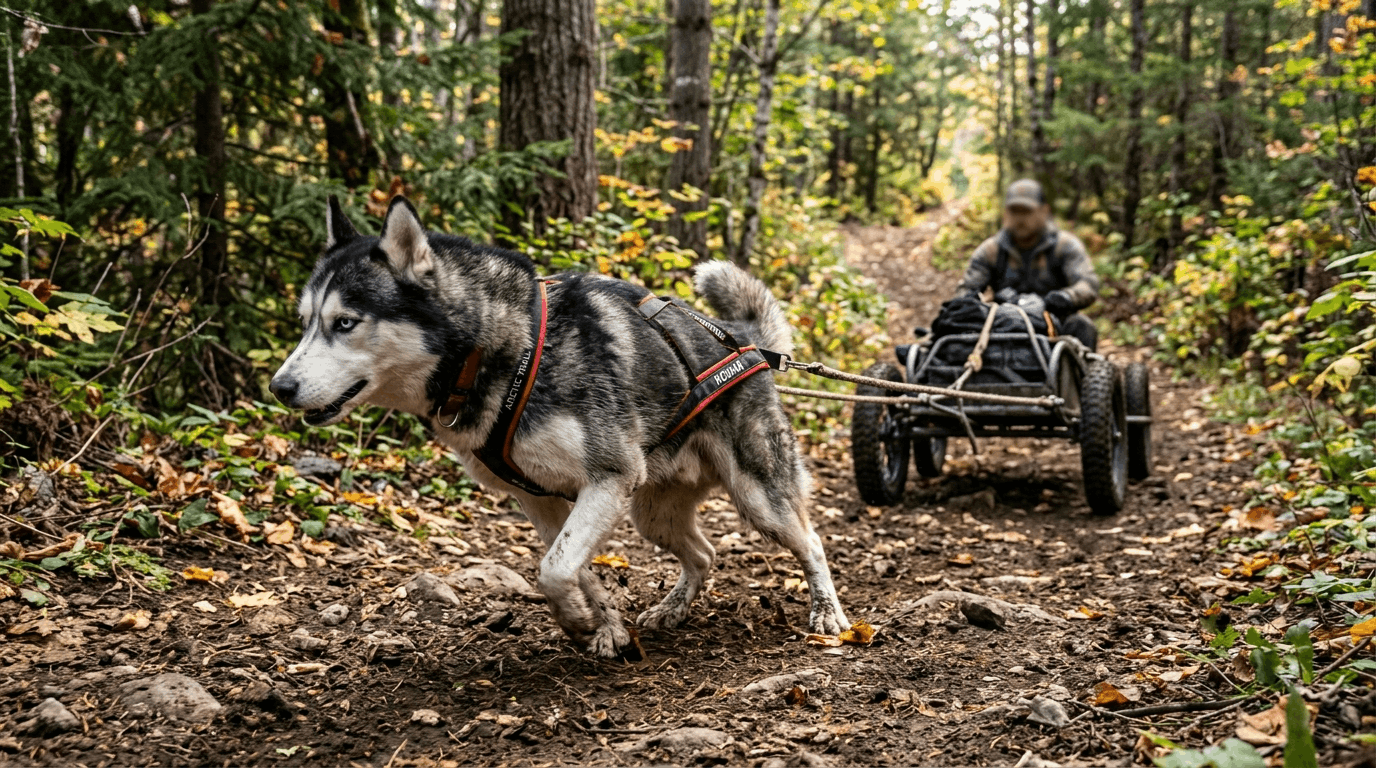
Walking a strong dog that pulls can quickly turn a simple outing into a frustrating and exhausting experience. Many owners struggle with sore shoulders, sudden lunges, tangled leashes, and a constant feeling of losing control during walks. Although strong dogs often mean well, their excitement and energy can create serious safety concerns if leash habits are not addressed properly. Fortunately, safe and calm walking is possible with the right approach, equipment, and training methods.
Large dogs naturally have more power behind their movement. Even friendly dogs can accidentally drag owners, pull them off balance, or react suddenly to distractions outdoors. Without clear guidance, many dogs learn that pulling successfully gets them where they want to go faster. Over time, this behavior becomes deeply rewarding and harder to change.
The good news is that leash pulling rarely means a dog is aggressive or stubborn. In most situations, the behavior comes from excitement, habit, energy, or inconsistent training. Once owners understand the reasons behind pulling, they can begin building calmer walking habits safely and confidently.
Why Strong Dogs Pull So Much During Walks
Dogs naturally walk faster than humans. They also experience the world through smell, movement, and curiosity. Outdoor environments feel exciting and stimulating, especially for energetic breeds or younger dogs.
A strong dog that pulls usually learns early that pulling creates forward movement. If the dog pulls toward a smell, another dog, or a favorite location and eventually reaches it, the pulling behavior becomes reinforced automatically.
Excitement also increases leash tension. Dogs often become overstimulated before walks even begin. Owners sometimes accidentally build more excitement by rushing, using excited voices, or immediately opening doors when the dog becomes hyperactive.
Understanding these patterns helps owners approach training more calmly and effectively.
Choosing Safer Walking Equipment
The right equipment makes a major difference when handling a strong dog that pulls. Although equipment alone cannot fix pulling permanently, it can improve control and safety immediately.
Front-clip harnesses often work very well because they redirect the dog’s body gently when pulling starts. Unlike neck collars, front-clip designs reduce strain on the throat and improve balance for the handler.
Well-fitted harnesses should sit securely without rubbing or restricting movement. Adjustable designs usually provide the best comfort and control.
Leashes also matter greatly. Standard fixed leashes between four and six feet long typically offer the safest control. Retractable leashes often increase pulling because they reward constant forward tension.
Some owners benefit from double-handle leashes that include a shorter traffic handle near the dog. This extra grip improves control during crowded areas or unexpected distractions.
Building Calmness Before the Walk Begins
Many leash problems begin before the walk even starts.
Dogs that explode with excitement indoors usually continue that emotional state outdoors. Therefore, calm preparation becomes extremely important.
Owners should avoid clipping the leash onto an overly excited dog immediately. Instead, they can pause calmly and wait for relaxed behavior first. Asking for a sit before opening doors also encourages impulse control naturally.
These small routines teach dogs that calmness creates access to walks while hyperactive behavior slows things down.
A strong dog that pulls often improves significantly once pre-walk excitement decreases.
Why Stopping Pulling Requires Consistency
Consistency remains one of the most important parts of leash training.
Dogs repeat behaviors that work successfully. If pulling occasionally helps dogs move forward faster, they continue using that strategy. Therefore, owners must avoid rewarding pulling accidentally.
Whenever leash tension appears, movement should stop calmly. Once the dog relaxes the leash slightly, the walk continues again. This method teaches dogs that loose leash walking moves them forward while pulling stops progress.
Consistency matters because mixed signals confuse dogs. If pulling works sometimes but fails other times, the habit becomes stronger instead of weaker.
Using Rewards to Encourage Better Walking Habits
Positive reinforcement helps dogs understand exactly what behaviors owners want.
Many people focus heavily on correcting mistakes while forgetting to reward calm walking. However, dogs learn faster when owners consistently reward good choices.
Treats, praise, movement forward, and sniffing opportunities all work as valuable rewards during walks. Timing matters greatly because rewards should happen immediately when the dog walks calmly beside the owner.
A strong dog that pulls often begins offering calmer behavior more frequently once rewards become clear and consistent.
Short training sessions usually work better than overly long walks during the learning process.
The Importance of Loose Body Language
Dogs observe human body language constantly.
Owners who feel tense, frustrated, or nervous often tighten the leash unconsciously. Unfortunately, leash tension may increase canine excitement or frustration further.
Relaxed posture, smooth movements, and calm breathing help improve communication during walks. Sudden leash jerks or constant corrections usually create resistance instead of cooperation.
Walking should feel calm rather than confrontational. Dogs respond better when owners remain patient and emotionally steady.
How Mental Stimulation Reduces Pulling
Physical exercise alone rarely solves pulling problems completely.
Many strong dogs also need mental stimulation to feel balanced and calm. Dogs with unmet mental needs often become more reactive and overstimulated outdoors.
Puzzle feeders, scent games, obedience practice, and enrichment toys help reduce excess frustration and energy at home. Mentally satisfied dogs often walk more calmly because they feel less desperate for stimulation outdoors.
Balanced routines create better overall behavior both inside and outside the home.
Teaching Attention During Walks
Attention exercises help improve leash manners dramatically.
Owners should regularly reward dogs for checking in voluntarily during walks. Eye contact and focus strengthen communication while reducing environmental fixation.
Simple exercises work well. Owners can reward dogs whenever they glance back naturally or respond calmly to their name.
Changing directions unexpectedly also encourages dogs to stay more attentive instead of pulling straight ahead constantly.
A strong dog that pulls usually becomes easier to handle once engagement with the owner improves consistently.
Avoiding Common Leash Training Mistakes
Several common mistakes often slow progress unnecessarily.
First, many owners expect immediate results. However, leash habits take time to change because pulling often becomes deeply practiced over months or years.
Second, some owners rely entirely on equipment instead of training. Even the best harness cannot replace consistent communication and reinforcement.
Third, inconsistency creates confusion quickly. Everyone walking the dog should follow similar rules and handling methods.
Finally, punishment-based methods sometimes increase anxiety or reactivity instead of creating calm behavior. Positive guidance usually creates stronger long-term results.
Why Exercise Alone Does Not Solve Pulling
Many owners believe exhausted dogs automatically walk politely. Unfortunately, this idea rarely works long term.
Overexercised dogs sometimes become even more overstimulated outdoors. Without structure and training, physical exhaustion alone does not teach calm leash behavior.
Dogs need emotional balance, impulse control, and communication practice alongside exercise.
Structured walks help dogs learn self-control while still meeting physical needs safely.
Practicing in Low-Distraction Areas First
Training becomes much easier in calm environments.
Busy sidewalks, crowded parks, or highly stimulating areas often overwhelm dogs still learning leash skills. Owners should begin training in quieter locations whenever possible.
Driveways, quiet streets, or open spaces with minimal distractions help dogs focus more successfully during early practice sessions.
Once calm walking improves consistently, owners can gradually increase distractions over time.
This step-by-step approach builds confidence while preventing frustration for both dog and owner.
How Breed Tendencies Influence Pulling
Some breeds naturally pull harder than others because of genetics, energy levels, or working instincts.
Sporting breeds, working breeds, and powerful dogs often move with greater intensity outdoors. Understanding breed tendencies helps owners set realistic expectations without becoming discouraged.
A strong dog that pulls is not necessarily dominant or intentionally disobedient. Most pulling behavior reflects excitement, curiosity, habit, or lack of training clarity instead.
Patience and consistency matter far more than force or intimidation.
The Role of Daily Routine
Predictable routines help many dogs feel calmer emotionally.
Consistent walk times, feeding schedules, training sessions, and household expectations create stability and reduce overstimulation. Dogs that understand daily patterns often behave more calmly overall.
Routine also helps owners stay more consistent with training expectations.
Calm routines support better leash habits naturally over time.
Managing Sudden Lunges Safely
Even well-trained dogs may occasionally lunge unexpectedly toward distractions.
Owners should prepare for these moments by maintaining balanced posture and secure leash handling. Holding the leash close to the body improves stability while reducing sudden arm strain.
Traffic handles provide additional safety during crowded areas or reactive moments.
Owners should avoid wrapping leashes tightly around wrists because sudden lunges may cause injuries.
Staying calm during unexpected situations helps prevent escalation.
When Professional Training Can Help
Some leash problems require extra support.
Dogs with severe pulling, reactivity, fear, or aggression may benefit greatly from professional guidance. Qualified trainers can identify emotional triggers and develop safer training plans tailored to the individual dog.
Owners should seek trainers who focus on reward-based methods, emotional balance, and humane communication techniques.
Professional help often accelerates progress while improving safety and confidence for everyone involved.
Building Long-Term Walking Success
Loose leash walking develops gradually through repetition and patience.
Progress rarely happens perfectly every day. Some walks feel smooth while others become challenging again. This fluctuation remains completely normal during behavior change.
Owners should celebrate small improvements consistently instead of expecting perfection immediately. Calm leadership, clear communication, and consistent reinforcement create stronger habits over time.
A strong dog that pulls can absolutely learn safer and calmer walking behavior with the right approach.
Walking a powerful dog should not feel stressful or dangerous every day. Although leash pulling often becomes frustrating quickly, the behavior usually improves through consistent training, calm handling, and smarter equipment choices. Strong dogs need structure, communication, and emotional balance just as much as physical exercise. When owners stay patient and reward calm walking regularly, dogs begin learning that relaxed behavior creates better outcomes than pulling. Over time, walks become safer, more enjoyable, and far less exhausting for both dogs and owners.
FAQ
1. What is the safest harness for large pulling dogs?
Front-clip harnesses often provide the best balance of control, comfort, and reduced pulling.
2. Why does my dog pull harder at the start of walks?
Dogs are usually most excited at the beginning of walks and may struggle with impulse control initially.
3. Can older dogs still learn loose leash walking?
Yes. Older dogs can absolutely improve leash manners with consistent training and patience.
4. Should I stop walking when my dog pulls?
Yes. Stopping movement teaches dogs that pulling no longer helps them move forward.
5. How long does leash training usually take?
Training progress varies, but consistent daily practice often creates noticeable improvements within several weeks.

