
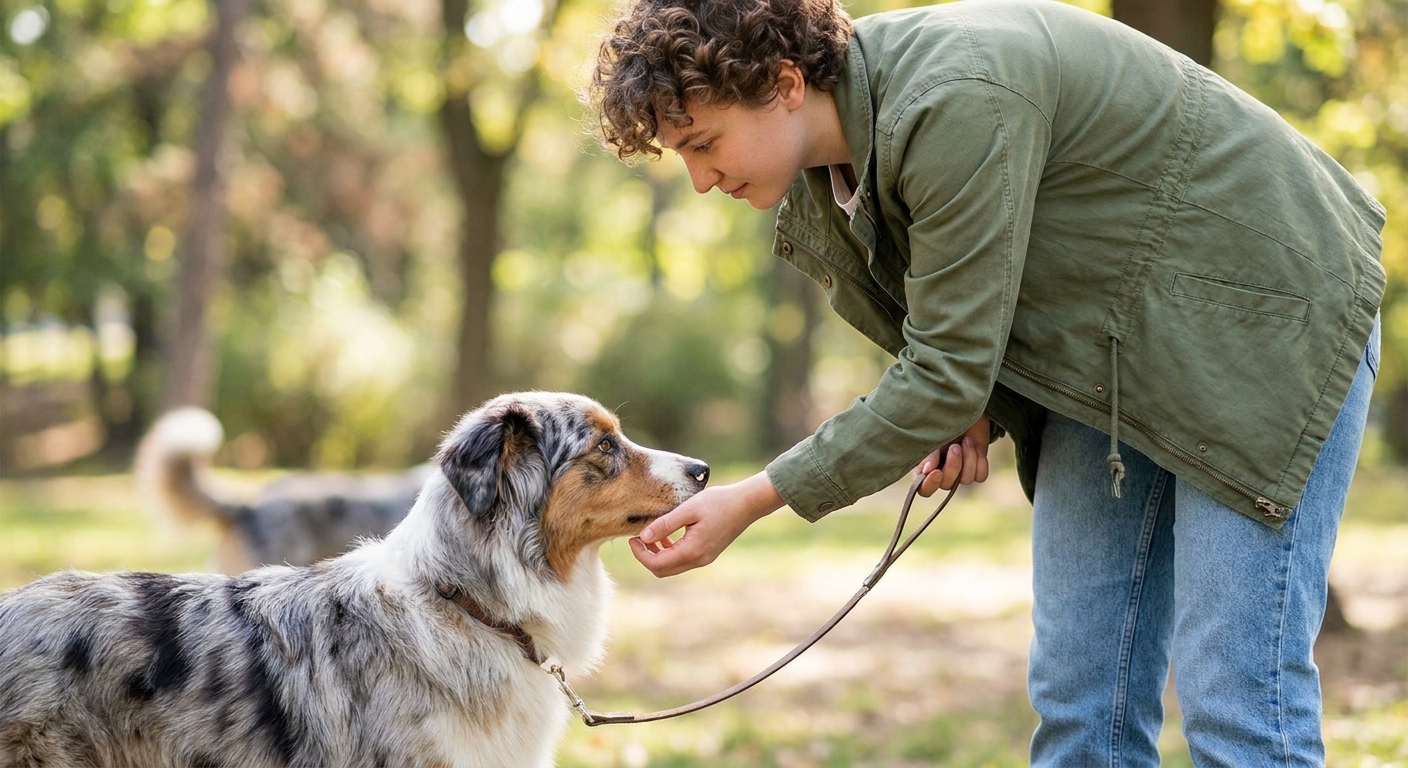
Bringing home a new puppy is exciting, but it also comes with plenty of responsibility. One of the biggest challenges new owners face is teaching basic manners while building a strong relationship with their young dog. Fortunately, the Best Puppy Training Tools can make this process smoother, more enjoyable, and far more effective. While no tool can replace patience and consistency, the right equipment helps puppies understand expectations more quickly and encourages positive behavior from the beginning.
Every puppy learns at a different pace. Some quickly grasp commands and routines, while others need extra guidance and repetition. Therefore, using training tools that match your puppy’s developmental stage can improve communication and reduce frustration for both of you. From reward-based training aids to management tools that prevent unwanted behavior, there are many options available to support successful learning.
Choosing the right products matters because poor-quality tools can create confusion or even interfere with training progress. The goal is not to control a puppy through force. Instead, effective training tools help guide behavior, reinforce desired actions, and create positive learning experiences. When used correctly, these resources become valuable partners in raising a confident, well-mannered dog.
Why Training Tools Matter During Early Development
The first few months of a puppy’s life play a critical role in shaping future behavior. During this period, puppies absorb information rapidly and develop habits that often continue into adulthood. As a result, introducing the Best Puppy Training Tools early can establish positive routines before unwanted behaviors become deeply ingrained.
Young puppies explore the world through curiosity. They chew furniture, jump on people, bark for attention, and investigate anything within reach. While these behaviors are normal, owners must teach appropriate alternatives. Training tools provide structure during this learning process.
Additionally, puppies thrive on consistency. A clear training system helps them understand which behaviors earn rewards and which actions do not. Because dogs learn through repetition and consequences, effective tools support predictable communication.
Most importantly, proper training encourages confidence. Puppies that understand expectations often feel more secure in new situations. This confidence contributes to better socialization, stronger obedience, and improved emotional stability as they mature.
Treat Pouches for Immediate Rewards
Among the Best Puppy Training Tools, a quality treat pouch remains one of the most useful items. Timing plays a major role in successful training. When a puppy performs a desired behavior, the reward should arrive immediately.
A treat pouch keeps rewards accessible during walks, training sessions, and daily activities. Instead of searching through pockets or reaching into a bag, owners can instantly reinforce good behavior. This quick feedback helps puppies connect actions with rewards.
Furthermore, treat pouches encourage consistency. Because rewards remain readily available, owners are more likely to reinforce positive choices throughout the day. Over time, this repetition strengthens learning and improves reliability.
Look for a pouch that attaches securely to a belt or waistband. Easy access and sufficient storage make training sessions more efficient and enjoyable.
Clickers for Clear Communication
Clicker training remains popular because it provides precise feedback. A clicker produces a distinct sound that marks the exact moment a puppy performs the desired behavior.
Many trainers consider clickers among the Best Puppy Training Tools because they eliminate uncertainty. Instead of relying solely on verbal praise, the click sound consistently signals success. Puppies quickly learn that the sound predicts a reward.
For example, if you are teaching a sit command, you click the instant your puppy’s bottom touches the ground. This precise timing helps clarify which action earned the reward.
Although some owners prefer verbal markers such as “yes,” clickers often provide greater consistency. Their unique sound remains unchanged regardless of mood, tone, or environment.
Training Leashes for Better Control
A training leash serves as an essential communication tool rather than a restraint device. Proper leash training teaches puppies to walk politely while maintaining focus around distractions.
The Best Puppy Training Tools often include lightweight leashes designed specifically for young dogs. A leash between four and six feet usually provides enough freedom while maintaining control.
Early leash training prevents future pulling habits. Moreover, it helps puppies learn to pay attention to their handlers during walks. Consistent practice creates enjoyable walking experiences and promotes safety in public settings.
Avoid retractable leashes during initial training. These products can encourage pulling because puppies receive forward movement as a reward. Standard leashes generally provide better communication and control.
Crates for Structure and House Training
Crates remain one of the most effective management tools available. When introduced properly, a crate becomes a safe and comfortable space where puppies can relax and rest.
Many professionals rank crates among the Best Puppy Training Tools because they support house training, prevent destructive behavior, and establish routines. Puppies naturally avoid soiling their sleeping area, making crate training highly effective for bathroom training.
Crates also help puppies learn independence. Short periods of quiet rest teach them to remain calm when separated from their owners.
Choose a crate large enough for your puppy to stand, turn around, and lie comfortably. However, avoid oversized crates that may encourage bathroom accidents inside the space.
Positive associations are essential. Offer treats, toys, and praise when introducing the crate so your puppy views it as a welcoming environment.
Interactive Puzzle Toys for Mental Stimulation
Physical exercise alone is not enough for growing puppies. Mental stimulation plays an equally important role in development and behavior.
Interactive puzzle toys deserve consideration among the Best Puppy Training Tools because they challenge problem-solving skills and reduce boredom. Puppies that remain mentally engaged are often less likely to develop destructive habits.
Food-dispensing toys encourage independent thinking while providing positive enrichment. As puppies learn how to access rewards, they build confidence and concentration.
Additionally, puzzle toys can help manage excess energy during rainy days or when outdoor exercise opportunities are limited. A mentally tired puppy often behaves more calmly than one with unmet stimulation needs.
Long Lines for Recall Training
Reliable recall is one of the most valuable skills any dog can learn. Teaching a puppy to come when called improves safety and creates greater freedom during future activities.
Long training lines allow puppies to practice recalls while remaining secure. Because of this, many trainers include them among the Best Puppy Training Tools for developing dependable obedience.
A long line typically ranges from fifteen to thirty feet. This extra distance allows puppies to explore while still giving owners control if necessary.
Training should remain positive and rewarding. Call your puppy enthusiastically, reward successful responses generously, and avoid using recalls for unpleasant situations whenever possible.
Over time, repeated success strengthens reliability and builds trust between dog and owner.
Chew Toys for Redirecting Behavior
Puppies explore their environment with their mouths. While chewing is normal, inappropriate chewing can quickly become problematic.
Providing suitable chew toys helps redirect natural instincts toward acceptable outlets. Therefore, chew toys remain among the Best Puppy Training Tools for preventing household damage.
Quality chew toys also support dental health and provide relief during teething. Puppies experiencing discomfort often seek objects to chew, making appropriate alternatives especially important.
Rotate toys regularly to maintain interest. New textures and shapes keep puppies engaged and reduce the likelihood of boredom.
Always select toys appropriate for your puppy’s size, age, and chewing strength. Safety should remain a top priority.
Training Platforms and Place Mats
Teaching a puppy to settle calmly in one location offers significant benefits. Place training encourages self-control and helps manage behavior in busy environments.
Training platforms or designated mats rank among the Best Puppy Training Tools because they provide a clear visual target for learning. Puppies quickly understand where they should go when given a place command.
This skill becomes useful during meals, visits from guests, or family activities. Instead of wandering or demanding attention, puppies learn to relax in a designated area.
Place training also builds focus and patience. These qualities support success in many other aspects of obedience training.
Using Tools Effectively for Long-Term Success
Although the Best Puppy Training Tools provide valuable support, their effectiveness depends on proper use. No product can replace consistency, patience, and positive reinforcement.
Training sessions should remain short and engaging. Most puppies learn best through frequent sessions lasting just a few minutes at a time. Ending on a positive note helps maintain enthusiasm for future lessons.
Likewise, avoid relying too heavily on any single tool. Combining rewards, management strategies, socialization, and structured practice creates the strongest foundation for learning.
Owners should also adapt training methods as puppies mature. Tools that prove helpful during early development may become less necessary as behaviors improve and reliability increases.
Consistency among family members remains equally important. Everyone should use the same commands, expectations, and reward systems. Mixed messages often slow progress and confuse puppies.
Most importantly, remember that training is not simply about obedience. Effective training builds communication, trust, and confidence. The relationship developed during these early months often influences behavior for years to come.
The Best Puppy Training Tools work because they support learning rather than forcing compliance. When combined with patience and positive reinforcement, they help puppies understand expectations and develop desirable habits more quickly. Whether you are house training, teaching basic commands, or improving focus, the right tools can make the journey more enjoyable for both you and your puppy.
Raising a well-behaved dog requires commitment, but the rewards are substantial. By investing in effective training resources and using them consistently, you create a strong foundation for lifelong success. A confident, responsive, and happy dog begins with thoughtful guidance during puppyhood, and the right tools can make all the difference.
FAQ
1. What is the most important item for a new puppy owner?
A crate is often considered one of the most valuable items because it supports house training, safety, and routine development.
2. Are clickers necessary for successful training?
No, but many owners find them helpful because they provide precise and consistent feedback during learning sessions.
3. How long should puppy training sessions last?
Most puppies respond best to sessions lasting five to ten minutes, repeated several times throughout the day.
4. Can puzzle toys improve behavior problems?
Yes. Mental stimulation can reduce boredom and help prevent destructive behaviors caused by excess energy.
5. When should recall training begin?
Recall training can start as soon as your puppy arrives home. Early practice often produces stronger long-term results.

