
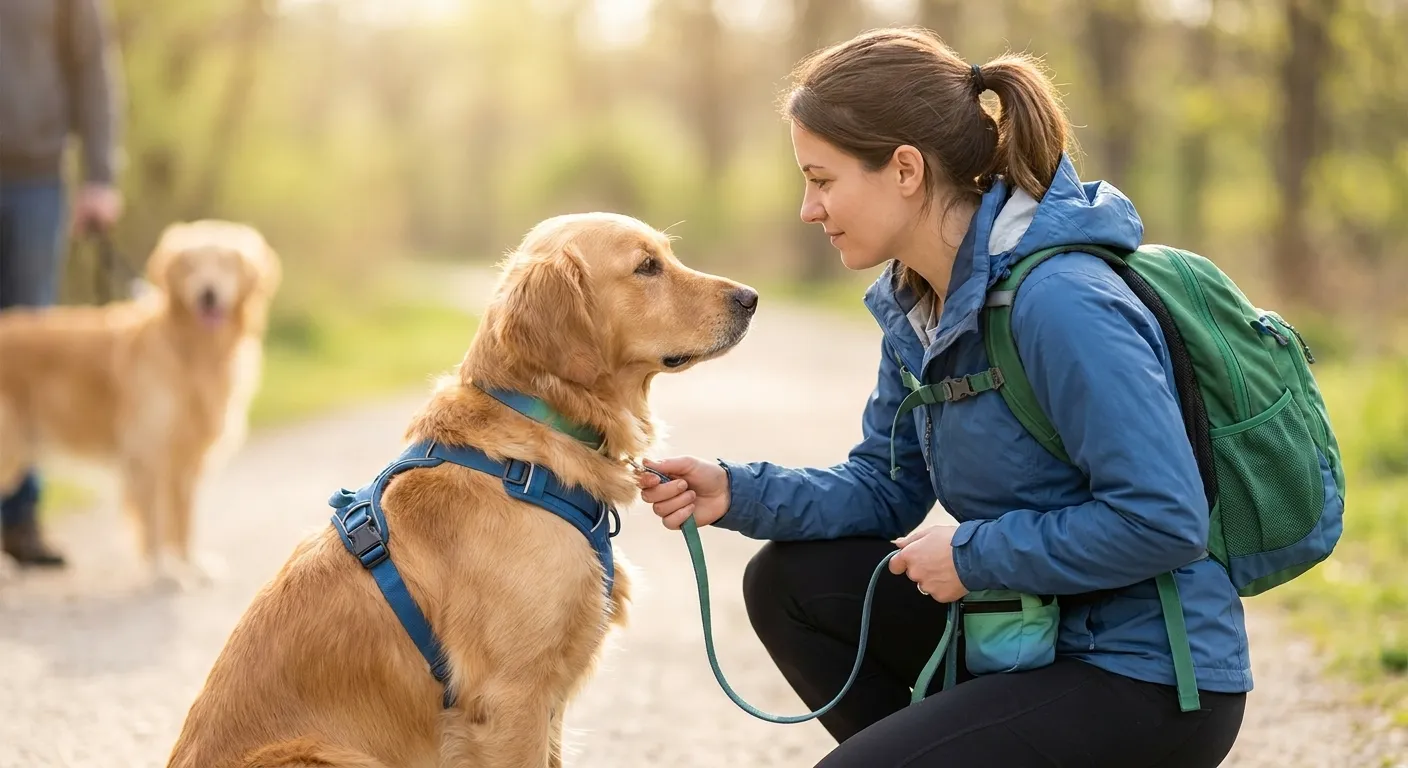
Walking your dog should be a joyful experience, but often, unexpected sights, sounds, and smells can turn a pleasant stroll into a wrestling match. Learning to effectively manage dog walking distractions is key to building a strong connection with your pet and ensuring safe, enjoyable outings. Whether it’s a squirrel darting across the path or another dog barking excitedly, knowing how to guide your dog’s attention back to you makes all the difference. In fact, by understanding your dog’s motivations and employing positive reinforcement, you can transform chaotic walks into peaceful, bonding adventures.
For many dog owners, especially those navigating the busy modern world, dog walks can feel like a constant battle against external stimuli. However, with the right approach and a dose of patience, you can empower your dog to make better choices and look to you for guidance. This guide will walk you through innovative strategies and practical techniques to help your dog stay focused, no matter what surprises the outside world throws your way. Ultimately, our goal is to help you cultivate a harmonious partnership with your canine companion, making every walk a truly positive experience for both of you.
Understanding Why Dogs Get Distracted on Walks
Before we can effectively address the issue, it is helpful to understand the root causes of canine distraction. Dogs are naturally curious creatures. Their world is primarily experienced through their powerful senses of smell and hearing. Therefore, a new scent on the breeze or a distant bark can be incredibly compelling. Furthermore, instinct plays a significant role. Many dogs have a strong prey drive, making squirrels, rabbits, or even blowing leaves irresistible targets. Other dogs might be overly excited or anxious when encountering new people or other dogs, leading to pulling, barking, or lunging.
Understanding your dog’s specific triggers is the first step toward crafting a personalized training plan. Is it movement, sounds, or other dogs that cause the most disruption? By observing your dog’s reactions closely, you can anticipate potential issues and intervene proactively. Remember, your dog isn’t trying to be difficult; they are simply reacting to their environment in ways that are natural to them. Our role as their guardians is to teach them how to navigate this exciting world calmly and confidently, always with a focus on positive reinforcement and clear communication.
Proactive Strategies to Manage Dog Walking Distractions
The best defense against distractions is a good offense. Starting with a solid foundation is crucial. First, choose quieter routes during initial training sessions. Gradually introduce more stimulating environments as your dog gains confidence. This systematic approach prevents your dog from becoming overwhelmed. Moreover, always carry high-value treats. Use them frequently when your dog is calm and focused on you, even if no obvious distraction is present. This builds a positive association with maintaining focus.
Practice short bursts of attention exercises, like ‘watch me’ commands, in low-distraction areas before tackling busier spots. Building a solid foundation of engagement at home translates directly to better focus on walks. Furthermore, consider incorporating nose work games into your routine. These activities engage your dog’s natural sniffing abilities in a controlled way, which can help satisfy their urge to explore with their nose, potentially reducing their need to incessantly sniff everything on a walk. For more insights on positive reinforcement training, you might find resources from the ASPCA very helpful.
Build a Strong Foundation with Engagement Games
Engagement is the cornerstone of successful distraction management. Think of it as building a strong invisible leash between you and your dog. Start indoors with simple games that reward eye contact and proximity. For instance, play ‘ping-pong’ with treats, tossing one treat a short distance, and when your dog finishes it, call their name and reward them for looking at you before tossing another. This teaches them that you are the source of good things and that checking in with you is rewarding.
Another effective game is ‘find it’. Scatter a few treats on the ground and let your dog sniff them out. When they’re done, call their name and reward them for making eye contact. These games make training fun and reinforce the idea that paying attention to you is a positive experience. Consequently, your dog will be more inclined to offer you their focus when external stimuli try to pull it away. Remember, consistency in these games will yield significant results outdoors.
Gradual Exposure and Desensitization
Once your dog has a good grasp of basic focus in quiet environments, it’s time to introduce distractions gradually. This process is called desensitization. Begin by walking in areas where distractions are present but at a distance. For example, if your dog reacts to other dogs, start by walking on the opposite side of the street from a dog park, far enough away that your dog notices but doesn’t react strongly. Reward calm behavior and attention to you.
Slowly, over many sessions, decrease the distance to the distraction. Always ensure your dog remains under their threshold, meaning they are aware of the distraction but not overwhelmed by it. If your dog starts to react, you’ve moved too close too quickly. Simply increase the distance again and try another day. This systematic approach helps your dog learn to manage dog walking distractions without becoming stressed or reactive. In addition, it builds their confidence in your ability to guide them through challenging situations.
Harnessing High-Value Rewards
The type of reward you use can significantly impact your dog’s motivation to focus. While a regular kibble might work indoors, outside, against the allure of a squirrel, you’ll need something much more enticing. High-value treats are typically soft, smelly, and small, such as boiled chicken, cheese, or hot dogs. Experiment to find what your dog considers most irresistible. These powerful motivators are essential tools to manage dog walking distractions effectively.
When a distraction appears and your dog offers you even a fleeting moment of attention, immediately mark that behavior with a verbal cue like
Explore more: More from Expert Dog Walking Tips

