
Navigating city streets with your dog brings a unique set of challenges and joys. For urban dog owners, ensuring the safety of your furry companion and yourself is paramount. Adopting safe urban dog walking practices isn’t just about following leash laws; it’s about being prepared, aware, and proactive in a bustling environment. With proper planning and consistent habits, city walks can be just as enriching and secure as a stroll through the park. In fact, these strategies empower you to confidently explore your city alongside your beloved pet.
Mastering the Basics: Essential Gear and Leash Skills for City Dogs
Every successful city adventure begins with the right equipment and foundational skills. Therefore, investing in quality gear and practicing proper leash etiquette are crucial steps for safe urban dog walking. This foundation helps manage the unpredictable nature of urban life.
Choosing the Right Leash and Harness
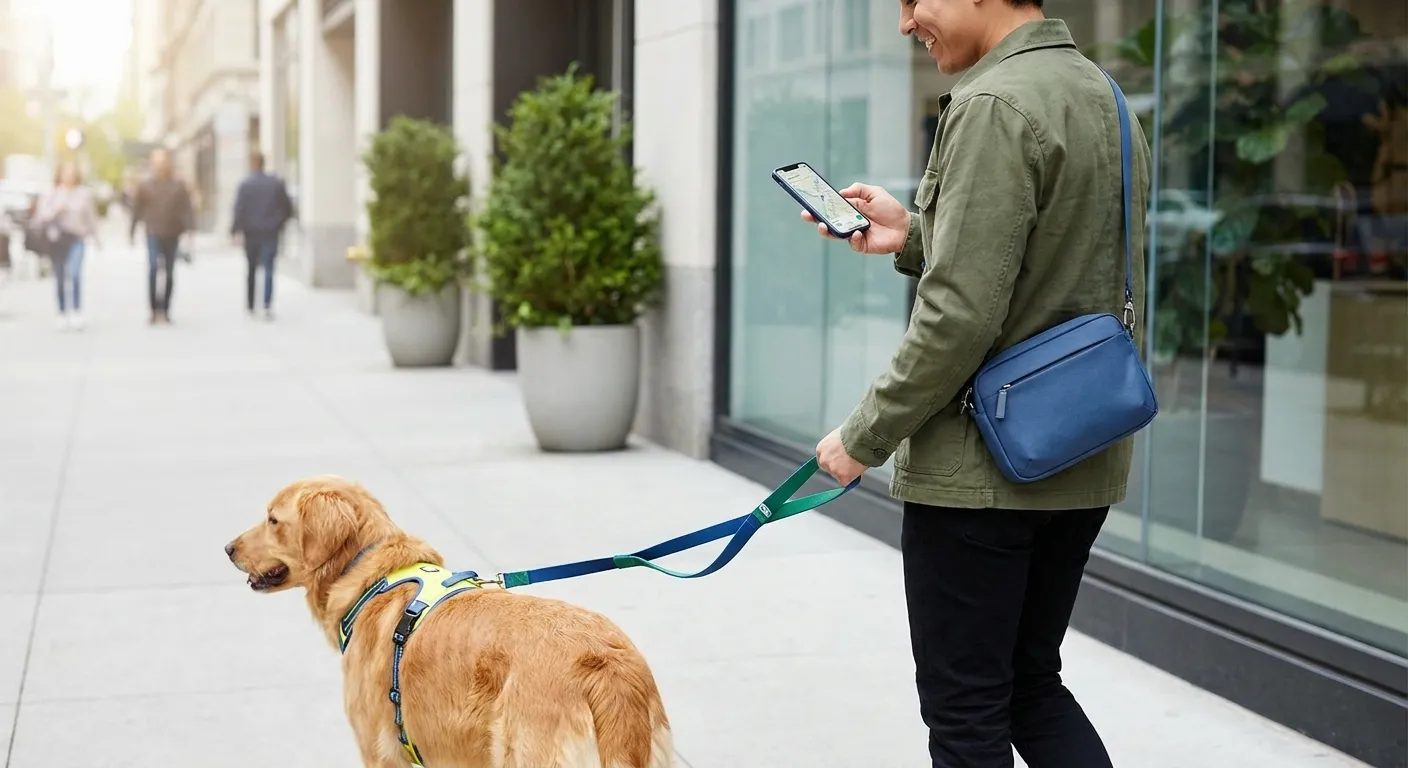
In an urban setting, a sturdy, non-retractable leash (ideally 4-6 feet) and a well-fitted harness are non-negotiable. This combination provides maximum control, preventing your dog from darting into traffic, chasing squirrels, or approaching strangers without your consent. Furthermore, a harness distributes pressure more evenly across your dog’s chest, reducing strain on their neck compared to a collar. Always ensure the harness fits snugly but comfortably, allowing for full range of motion without chafing. For example, a front-clip harness can be particularly helpful for dogs who tend to pull, gently redirecting their momentum.
Developing Loose-Leash Walking Skills
Practice walking calmly on a loose leash to avoid sudden pulls. This skill is vital for preventing injuries to both you and your dog, and for maintaining control in crowded areas. Start in a quiet environment, rewarding your dog for walking beside you without tension on the leash. Gradually introduce more distractions as they improve. Remember, consistency is key; short, frequent training sessions yield the best results. Consequently, your dog will learn that a loose leash means a pleasant walk.
Staying Alert: Navigating Urban Hazards with Confidence
Urban environments are full of potential hazards. Cyclists, scooters, loud noises, broken glass, discarded food, and other dogs are just a few examples. Staying alert and proactive is a cornerstone of safe urban dog walking.
Maintaining Situational Awareness
Keep your head up, scan ahead, and anticipate potential issues. Avoid distractions like your phone; your full attention should be on your dog and your surroundings. If you see a potential trigger (like another reactive dog, a child running, or construction noise), cross the street or create distance early. Being proactive allows you to manage situations before they escalate. Moreover, observing your dog’s body language can give you early clues about their comfort level.
Teaching Crucial Commands: ‘Leave It’ and ‘Watch Me’
These commands are lifesavers in the city. ‘Leave It’ can prevent your dog from ingesting dangerous dropped food, trash, or toxic plants. ‘Watch Me’ helps redirect their attention to you amidst distractions, fostering focus and responsiveness in busy areas. Consistent positive reinforcement training for these commands is crucial. Practice these skills frequently, starting in low-distraction environments and gradually increasing the challenge. For instance, begin with ‘Leave It’ for a treat on the floor, then move to items on the sidewalk. Similarly, ‘Watch Me’ can start with just your voice, then incorporate hand signals.
Enhancing Visibility and Safety Protocols
Visibility is not just a suggestion; it’s a critical safety measure, especially during dawn, dusk, or nighttime walks. Furthermore, having a plan for unexpected situations can make a significant difference.
Being Seen: Reflective Gear and Lights
If walking in low light or at night, ensure both you and your dog are visible. Use reflective gear for harnesses and leashes, and consider a light-up collar or vest for your dog. Bright clothing for yourself is also a good idea. This significantly reduces the risk of accidents with vehicles, cyclists, or even pedestrians. Many modern dog accessories now incorporate LED lights or highly reflective materials, making visibility easier than ever. Simply put, the brighter you both are, the safer you’ll be.
Emergency Preparedness
Always carry your phone, and make sure your dog wears identification tags with up-to-date contact information. Consider microchipping your dog if you haven’t already. Knowing what to do if your pet gets lost can bring immense peace of mind. Additionally, carrying a small first-aid kit for dogs can be beneficial for minor scrapes or paw injuries. This proactive approach is part of responsible urban dog walking.
Navigating Social Interactions and Environmental Challenges
City life means encountering a variety of people, animals, and environmental conditions. Understanding how to manage these interactions and challenges respectfully and safely is paramount.
Respectful Greetings and Space Management
Not all dogs (or people) want to interact. Teach your dog to calmly pass other dogs and people without pulling or barking. Always ask permission before allowing your dog to greet another dog or person. Observe other dogs’ body language; a dog with a stiff tail, direct stare, or tense posture might be uncomfortable. Creating distance is always a good option. This respectful approach helps maintain harmony on city streets, making safe urban dog walking a pleasant experience for everyone. Remember, not every dog needs to be friends with every other dog.
Managing Environmental Factors
Hot pavement can burn paw pads, especially in summer. Likewise, icy sidewalks and road salt can be harmful in winter. Invest in paw protection like booties or consider walking during cooler parts of the day. Be mindful of construction zones, loud sirens, or crowded events that might overwhelm your dog. Knowing your dog’s thresholds for stimulation is key to preventing stress and reactivity. Adjusting your walking route based on these factors contributes significantly to successful urban dog walking.
Training and Socialization for the Urban Canine
Beyond basic commands, specific training and socialization can equip your dog to thrive in an urban environment. These practices build confidence and responsiveness.
Advanced Leash Skills and Impulse Control
Beyond loose-leash walking, consider training for emergency stops or quick changes in direction. These advanced skills can be invaluable for preventing accidents in fast-paced city settings. Impulse control exercises, such as waiting patiently at crosswalks or not chasing pigeons, further enhance your dog’s reliability. These practices are cornerstones of responsible and safe urban dog walking.
Positive Exposure to City Sights and Sounds
Gradually expose your puppy or adult dog to the various sights, sounds, and smells of the city in a positive way. Short, positive exposures, paired with treats and praise, can help them build resilience and confidence. Avoid overwhelming them; always keep sessions short and fun. A well-socialized dog is generally a calmer and more adaptable companion, making every urban dog walking experience more enjoyable.
Mindfulness and Connection: The Heart of Urban Adventures
At the core of all these practices lies the bond you share with your dog. Mindful engagement and a strong connection are the ultimate tools for safe urban dog walking.
Being Present with Your Dog
While vigilance is important, also remember to enjoy the walk and connect with your dog. Praise their good behavior, offer affection, and celebrate small victories. These moments strengthen your bond and make the walk a positive experience for both of you. A happy, engaged dog is often more responsive and less likely to get into trouble. Consequently, being present fosters a deeper connection.
Understanding Your Dog’s Needs
Every dog is an individual. Some thrive on the hustle and bustle, while others prefer quieter routes. Pay attention to your dog’s cues and adjust your walks accordingly. Some days, a shorter, less stimulating walk might be exactly what they need. Other days, a longer adventure might be perfect. Tailoring your approach ensures that safe urban dog walking is always a positive experience for your specific companion. For more insights on dog behavior, visit ASPCA’s dog behavior resources.
By integrating these practices into your routine, you create a more predictable and secure experience for both you and your dog. City walks can be wonderful opportunities for socialization and exploration, provided they are approached with mindfulness and preparation. Embrace the adventure, stay informed, and enjoy every step of your journey together. Remember, consistent effort in these areas leads to a lifetime of happy and safe urban dog walking experiences.
FAQ
How can I make my dog more comfortable with city noises?
Introduce your dog to city noises gradually and positively. Start with short exposures from a distance, pairing the sounds with high-value treats and praise. Increase proximity and duration slowly, always ensuring your dog remains relaxed. If they show signs of stress, move further away. Consistent positive reinforcement helps them associate these sounds with good things.
What should I do if my dog pulls on the leash during walks?
Leash pulling is a common challenge. Use a front-clip harness for better control and practice loose-leash walking in a quiet area. When your dog pulls, stop walking until the leash slackens, then resume. Reward them generously with treats and praise when they walk nicely beside you. Consistency and patience are key to improving their leash manners.
Is it safe to walk my dog off-leash in designated city parks?
Even in designated off-leash areas, assess the environment carefully. Ensure your dog has a reliable recall command before letting them off-leash. Be aware of other dogs, people, and potential hazards. Always carry a leash to quickly re-leash your dog if needed. Your dog’s safety and the safety of others should always be the priority.
How can I protect my dog’s paws from hot pavement or harsh winter conditions?
For hot pavement, walk during cooler parts of the day (early morning or late evening) or consider dog booties. You can test pavement temperature with the back of your hand; if it’s too hot for you, it’s too hot for their paws. In winter, use paw balm to protect against salt and ice, and booties can also prevent frostbite and chemical burns. Always rinse their paws after winter walks.
What if my dog reacts negatively to other dogs or people on walks?
If your dog shows reactivity, the first step is to create distance from the trigger. Avoid forcing interactions. Work on ‘Watch Me’ and ‘Leave It’ commands to redirect their focus to you. Consider consulting a certified professional dog trainer or behaviorist. They can provide personalized strategies and training plans to help your dog feel more comfortable and confident in urban settings.
Explore more: More from Expert Dog Walking Tips

