
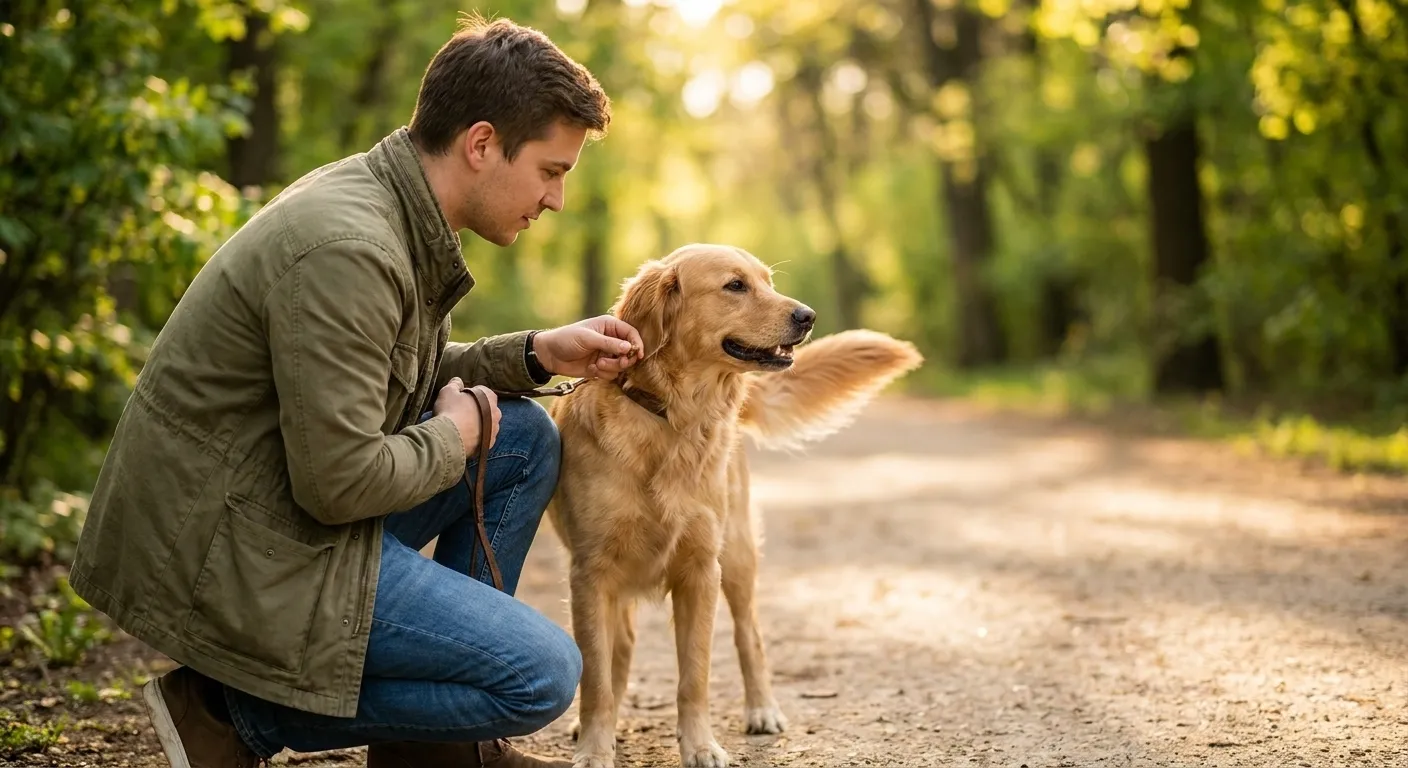
Every wag, bark, and ear twitch tells a story. For tech-savvy dog owners like Ava, who wants to build a strong, positive relationship with Max, truly connecting means more than just commands – it’s about understanding. Learning how to understand dog body language is a superpower that transforms your walks from simple exercise into rich, communicative experiences. It allows you to anticipate needs, prevent issues, and respond empathetically, deepening the bond you share.
At Pawsitive Path, we empower you to become your dog’s best advocate. This article will help you interpret the subtle and not-so-subtle cues your dog gives during walks, ensuring both safety and enjoyment. By recognizing what your dog is trying to tell you, you can make informed decisions that enhance their well-being and strengthen your partnership.
Why Body Language is Your Dog’s Primary Communication
Dogs don’t use words, but they are masters of non-verbal communication. Their entire body — from the tip of their nose to the end of their tail — is constantly sending signals. Understanding these signals is crucial for responsible dog ownership, especially in dynamic environments like walks where new stimuli constantly arise. When you grasp how to understand dog body language, you can proactively manage situations, avoiding potential stress or conflict.
This skill is increasingly supported by modern pet tech. While AI-powered platforms like LunaDogAI (launching soon) focus on behavior issues, the core principle is consistent: observing and responding to your dog’s cues. Even smart collars, like the Satellai Collar Go, are developing AI to interpret motion and stress indicators, moving towards a future where technology assists in understanding these nuanced communications. Consequently, being able to interpret your dog’s non-verbal communication becomes even more powerful with these tools.
Key Body Language Cues to Watch For on Walks
Let’s break down some common indicators and what they might mean:
- Tail Talk:
- High, rapid wag: Often indicates excitement, but can also be a sign of arousal or uncertainty if combined with stiff body posture.
- Mid-level, relaxed wag: Typically a friendly, happy greeting.
- Low, tucked tail: Fear, anxiety, or submission.
- Stiff, horizontal wag: Often a sign of alertness or potential aggression. Proceed with caution.
- Ear Expressions:
- Forward and relaxed: Attentive and engaged.
- Pinned back (flat against head): Fear or anxiety.
- Swiveling: Actively listening and assessing their environment.
- Eye Contact:
- Soft, blinking, looking at you: Comfortable, trusting, checking in.
- Hard stare, dilated pupils: Can indicate fear, aggression, or a challenge.
- “Whale Eye” (whites of eyes showing): Stress, discomfort, or fear.
- Mouth and Facial Signals:
- Relaxed, slightly open mouth, sometimes panting: Content, happy, comfortable.
- Closed mouth, tight lips: Can indicate tension or discomfort.
- Yawning (out of context): Often a sign of stress or appeasement, not just tiredness.
- Lip Licking: A common appeasement signal, indicating stress or discomfort, especially if no food is present.
- Body Posture:
- Loose, wiggly body: Happy, playful, inviting interaction.
- Stiff, frozen body: Alertness, fear, or readiness to react. This is a critical signal to observe.
- Crouching, lowered body: Fear, submission, or preparing to pounce playfully.
- “Play Bow” (front end down, rear end up): An invitation to play.
- Movement and Gait:
- Smooth, confident stride: Relaxed and comfortable.
- Hesitant, slow movement: Uncertainty or reluctance.
- Pulling on the leash, straining forward: Excitement, eagerness, or a desire to investigate.
- Slowing down, stopping, refusing to move: Could indicate discomfort, pain, or an unwillingness to proceed.
Putting It All Together: Reading the Whole Picture
Just like human communication, canine body language rarely relies on a single signal. Instead, it’s a symphony of cues working together. For example, a high, rapid tail wag with a stiff body and dilated pupils tells a very different story than the same tail wag with a relaxed body and soft eyes. It is essential to look at the entire dog. Furthermore, consider the context of the situation. Is there another dog nearby? Is a loud noise present? These factors significantly influence interpretation. Learning to read your dog’s communication takes practice and patience, but it is incredibly rewarding. To truly understand dog body language, you must become a keen observer of their overall presentation.
Understanding these signals helps you respond appropriately. For instance, if your dog shows signs of stress when another dog approaches, you can create distance or redirect their attention before the situation escalates. Similarly, recognizing a playful invitation allows you to encourage positive interactions. Therefore, consistent observation is key.
Common Misinterpretations and How to Avoid Them
Several common human assumptions about dog behavior can lead to misinterpretations:

