
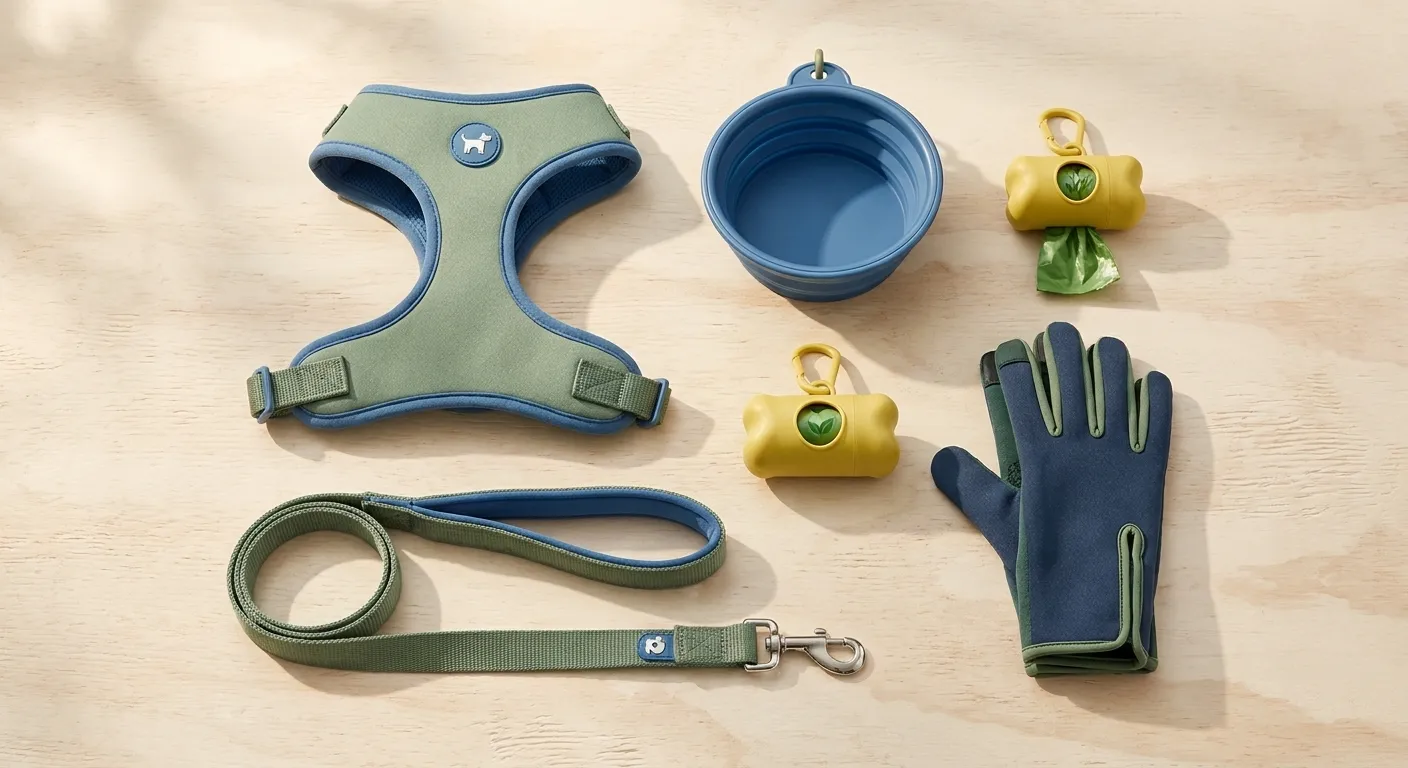
Every successful dog walk starts with the right equipment. For tech-savvy millennial and Gen Z dog owners, choosing the best dog walking gear isn’t just about functionality; it’s about finding innovative tools that enhance safety, comfort, and enjoyment for both you and your pet. From harnesses to treat pouches, the right choices can transform your daily strolls into positive bonding experiences. In fact, equipping yourself properly ensures every outing is as rewarding as it is safe.
Harnesses: Prioritizing Comfort and Control
Forget the traditional neck collar for walks, especially if your dog tends to pull. A well-fitted harness is a truly effective solution for many dogs, distributing pressure evenly across the chest and shoulders. Consequently, this reduces strain on the neck and trachea, promoting healthier walks. Specifically, look for front-clip harnesses if your dog is a strong puller; these gently redirect your dog’s attention back to you when they try to forge ahead. Padded options ensure maximum comfort, preventing chafing during longer adventures. Always measure your dog carefully and check manufacturer sizing guides to ensure a snug, yet comfortable, fit that doesn’t restrict movement. Moreover, a properly fitted harness can make a significant difference in your dog’s overall walking experience.
Why Choose a Harness Over a Collar for Walks?
While collars are essential for identification tags, a harness offers superior control and comfort during walks. Collars can put undue pressure on your dog’s throat, potentially causing discomfort or even injury, especially for smaller breeds or those with respiratory issues. Furthermore, harnesses prevent your dog from slipping out, a common concern with collars when a dog gets excited or spooked. Many trainers recommend harnesses for puppies and dogs learning leash manners, as they provide a kinder way to guide and correct without causing pain. Ultimately, a good harness supports your dog’s physical well-being and makes training more effective. You can find excellent options that combine durability with ergonomic design.
Leashes and Collars: Essential Connections
While harnesses are often preferred for walking, a flat collar with identification tags and GPS trackers is crucial for safety. This ensures your dog can be identified if they ever get lost, even when not on a walk. For leashes, a standard 4-6 foot nylon or leather leash offers a good balance of freedom and control for most urban and suburban walks. Avoid retractable leashes, as they can inadvertently teach dogs to pull and often pose safety risks for both the dog and the handler. Instead, opt for fixed-length leashes that encourage consistent leash tension and better communication. For added visibility during early morning or evening walks, consider leashes and collars with reflective stitching or LED lights. Hands-free leashes, which attach around your waist, are also gaining popularity, offering convenience for active owners who want to multitask or jog with their dogs. These can be particularly useful for those who enjoy running with their canine companions.
Selecting the Right Leash Length
The length of your leash significantly impacts your control and your dog’s freedom. A 4-foot leash is excellent for close-quarters training or crowded areas, keeping your dog right by your side. Conversely, a 6-foot leash provides a bit more room for exploration while still maintaining good control. For rural walks or open spaces where you want to give your dog more sniffing opportunities, a longer training leash (10-20 feet) can be beneficial, but always ensure it’s used in a safe, open environment away from traffic. The key is to match the leash length to your walking environment and your dog’s training level. Remember, consistency in leash handling is vital for effective communication with your dog.
Beyond the Basics: Enhancing Every Walk
Don’t forget the accessories that make walks truly enjoyable and safe. A high-quality treat pouch keeps rewards easily accessible for positive reinforcement training. This is especially important for maintaining your dog’s focus and reinforcing good behavior on the go. Portable water bottles with attached bowls are essential for hydration, especially on warmer days or longer excursions. Staying hydrated is crucial for your dog’s health and stamina. For waste management, biodegradable poop bags are a must-have; always remember to be a responsible pet owner and clean up after your dog. Reflective vests for both you and your dog enhance visibility during low-light conditions, significantly improving safety. Safety vests are a smart investment for any dog owner who walks in the evenings or early mornings. Investing in the best dog walking gear not only makes walks safer and more comfortable but also reinforces your commitment to your dog’s well-being and a positive walking experience. Furthermore, these thoughtful additions demonstrate your dedication to their happiness.
Smart Accessories for the Modern Dog Owner
Today’s market offers a plethora of smart accessories designed to simplify and enhance your dog walking routine. GPS trackers, for instance, can be attached to collars, providing real-time location tracking for peace of mind. This is particularly useful for adventurous dogs or those prone to wandering. Another innovative item is a hands-free waste bag dispenser that clips onto your leash, making cleanup even more convenient. For those who walk in varied weather conditions, consider paw protection like dog boots, which shield paws from hot pavement, icy sidewalks, or rough terrain. Additionally, a small, compact first-aid kit specifically for pets can be invaluable for minor scrapes or emergencies on the go. These modern conveniences truly elevate the dog walking experience.
The Importance of Durability and Quality
When selecting your dog’s walking essentials, prioritizing durability and quality is paramount. Cheaply made items might seem like a bargain initially, but they often wear out quickly, leading to replacements and potential safety issues. High-quality materials like reinforced nylon, genuine leather, and strong metal hardware ensure longevity and reliability. For instance, a well-constructed harness with robust buckles will withstand daily use and the occasional tug from an enthusiastic dog. Similarly, a strong leash with secure clasps provides peace of mind, knowing your dog is safely connected. Investing in durable equipment not only saves money in the long run but also provides a safer and more comfortable experience for your beloved pet. After all, your dog deserves the best.
Materials Matter: What to Look For
Different materials offer various benefits for dog walking equipment. Nylon is a popular choice for leashes and harnesses due to its strength, water resistance, and ease of cleaning. Leather, while often more expensive, offers exceptional durability, a comfortable grip, and a classic aesthetic that improves with age. For hardware, look for stainless steel or brass components, which resist rust and corrosion, ensuring long-lasting performance. Reflective materials, such as 3M Scotchlite, are excellent for increasing visibility in low light. When it comes to treat pouches, water-resistant fabrics with easy-to-clean linings are ideal. Understanding these material properties helps you make informed choices that stand up to the rigors of daily walks.
Training and Behavior: Gear as a Tool
The right walking equipment can be a powerful tool in your dog’s training journey. A front-clip harness, for example, is not just about comfort; it’s an effective aid for teaching loose-leash walking by gently redirecting your dog’s forward momentum. Similarly, a well-placed treat pouch allows for immediate positive reinforcement, helping your dog associate good behavior with rewards. Using the appropriate interactive toys or a favorite training treat during walks can keep your dog engaged and focused on you, even amidst distractions. Remember, the goal is to make walks a positive and educational experience, not a struggle. By thoughtfully selecting your best dog walking gear, you empower yourself to guide your dog effectively. This approach fosters a stronger bond and more enjoyable outings for everyone involved.
Positive Reinforcement on the Go
Incorporating positive reinforcement during walks is crucial for developing good leash manners and a happy, well-adjusted dog. This means rewarding desired behaviors immediately. For example, when your dog walks calmly by your side without pulling, offer a small, high-value treat from your pouch. If they look at you when called, reward that attention. Portable water bottles can also serve as a reward for calm behavior during breaks. The key is consistency and timing. By using your gear to facilitate these training moments, you’re not just walking your dog; you’re actively shaping their behavior and reinforcing your bond. This makes every walk an opportunity for learning and connection. To learn more about effective training, consider resources like the American Kennel Club’s guide on positive reinforcement training methods here.
Safety First: Visibility and Protection
Ensuring your dog’s safety during walks extends beyond just a secure leash and harness. Visibility is a critical factor, especially when walking in low-light conditions. Reflective leashes, collars, and vests are essential for making both you and your dog visible to motorists, cyclists, and pedestrians. LED collars and clip-on lights provide an extra layer of visibility, making your dog stand out even more. Furthermore, consider the environment you’re walking in. For urban areas, having a sturdy, short leash for navigating crowded sidewalks is beneficial. For trails, protection from elements like sharp objects or extreme temperatures might require paw protection or a dog coat. Always be aware of your surroundings and consider potential hazards. The right best dog walking gear includes items that actively contribute to a safer walking experience for both of you. For additional safety tips, the ASPCA offers valuable advice on keeping pets safe outdoors here.
Preparing for Unexpected Situations
Even with the best planning, unexpected situations can arise during walks. Carrying a small, compact first-aid kit designed for pets can be a lifesaver for minor injuries like cuts or scrapes. This kit should include items such as antiseptic wipes, gauze, adhesive tape, and tweezers. Another valuable item is a small, bright flashlight, even if you don’t plan to walk in the dark, as it can be useful for spotting hazards or finding dropped items. Knowing basic canine first aid can also empower you to act confidently in an emergency. Preparing for the unexpected is a crucial aspect of responsible pet ownership, and having the right gear can make all the difference.
The Joy of Shared Adventures
Ultimately, choosing the best dog walking gear is about investing in the shared joy and adventure that comes with exploring the world with your canine companion. From the perfect harness that ensures comfort to the handy treat pouch that facilitates training, each piece of equipment plays a role in making your walks more enjoyable, safer, and more effective. Embrace the innovative solutions available to tech-savvy dog owners, and witness how these tools can transform your daily strolls into cherished bonding moments. Remember, every walk is an opportunity to strengthen your relationship, explore new sights and smells, and celebrate the unique connection you share with your dog. Happy walking!
FAQ
What is the most important piece of equipment for dog walks?
While all items are important, a well-fitted harness is arguably the most crucial. It provides comfort, control, and reduces strain on your dog’s neck, making walks safer and more enjoyable for both of you. Coupled with a reliable leash, it forms the foundation of good walking equipment.
Are retractable leashes recommended for daily walks?
Generally, retractable leashes are not recommended for daily walks. They can teach dogs to pull, offer less control, and pose safety risks due to potential tangles or sudden jerks. A fixed-length leash (4-6 feet) provides better communication and control, promoting safer and more effective training.
How can I ensure my dog is visible during evening walks?
To ensure visibility during evening walks, use reflective leashes, collars, and vests for both you and your dog. Additionally, consider LED collars or clip-on lights. These items significantly increase your visibility to others, enhancing safety in low-light conditions.
What should I carry for hydration on longer walks?
For longer walks, especially on warmer days, always carry a portable water bottle with an attached bowl. This allows you to easily provide your dog with fresh water, preventing dehydration and ensuring they remain comfortable and energized throughout your adventure.
How can walking accessories help with dog training?
Walking accessories like treat pouches facilitate positive reinforcement by keeping rewards readily accessible for immediate use. Front-clip harnesses can aid in teaching loose-leash walking by gently redirecting your dog. These tools support effective communication and reinforce desired behaviors on the go.

