
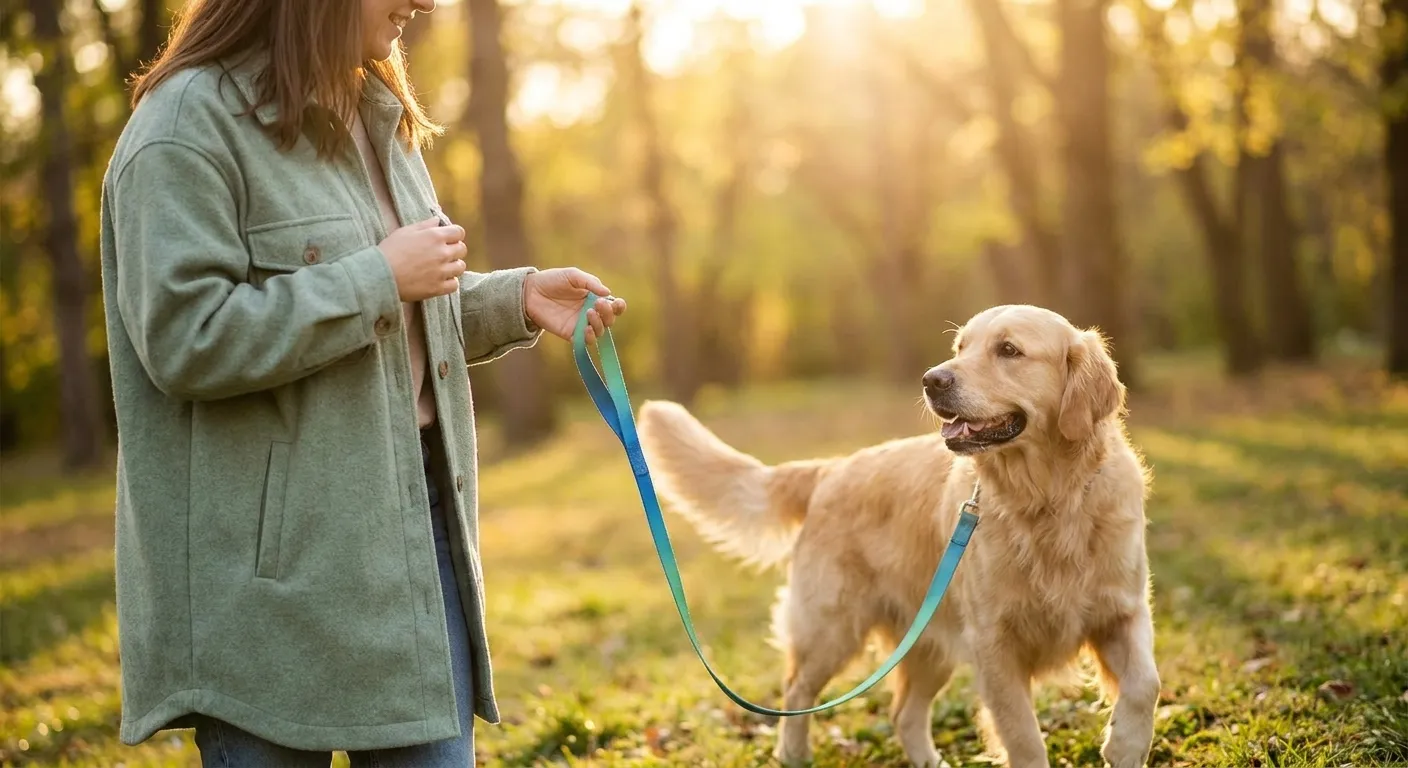
Does walking your dog feel more like a tug-of-war than a leisurely stroll? You’re not alone! Many dog owners dream of enjoying a calm, connected walk, and achieving truly comfortable loose leash walking is a skill that benefits both you and your canine companion. With patience and positive reinforcement, you can transform chaotic walks into enjoyable outings. This guide will empower you with the strategies and mindset to achieve harmonious strolls.
Understanding the Basics of Loose Leash Walking
The foundation of successful loose leash walking lies in teaching your dog that a slack leash equals positive outcomes. This isn’t about punishment; it’s about rewarding desirable behavior. First, start in a low-distraction environment, like your home or backyard. Hold the leash with a comfortable grip, letting it hang loosely. As soon as your dog walks beside you without pulling, even for a step, mark the behavior with a verbal cue like “Yes!” or a clicker, and immediately reward them with a high-value treat. Repeat this frequently, gradually increasing the duration they walk calmly before rewarding. The goal is for your dog to choose to walk near you because good things happen there.
Why Does Your Dog Pull?
Before we dive deeper into techniques, it’s helpful to understand why dogs pull. Often, dogs pull because they are excited, curious, or simply haven’t been taught an alternative. They might be eager to explore new smells, greet other dogs, or reach a specific destination. Furthermore, if pulling sometimes gets them what they want (like reaching a fascinating bush), they learn that it’s an effective strategy. Our goal is to gently redirect that energy and teach them a more polite way to navigate the world with us.
Practical Training Techniques for a Slack Leash
One effective technique is the “stop-and-go” method. If your dog pulls ahead, simply stop walking. Stand still, like a tree, until the leash slackens. The moment it goes slack, even if your dog looks back at you or takes a step closer, immediately praise them and resume walking. This teaches them that pulling doesn’t get them where they want to go, but a loose leash does. Consistency is paramount. Everyone who walks your dog should use the same technique. Over time, your dog will learn that a loose leash is the key to forward momentum. Remember to keep sessions short and positive, ending on a high note before your dog gets bored or frustrated. Moreover, consider using a front-clip harness, which can naturally discourage pulling by redirecting your dog’s momentum back towards you.
The Power of Positive Reinforcement
Positive reinforcement is the cornerstone of effective dog training, especially when teaching your dog to walk politely on a leash. When your dog maintains a loose leash, reward them! This could be with a small, high-value treat, verbal praise, or a quick game of tug if that’s what they love. Consequently, they will associate walking calmly with positive experiences. Conversely, avoid punishing pulling, as this can create negative associations with walks and even damage your bond. Instead, simply remove the reward (forward movement) when they pull, and reward when they don’t. This clear communication helps your dog understand what you expect.
Preparing for Successful Walks
Before you even step out the door, preparation can significantly impact your success with dog walking. Firstly, ensure your dog has had some mental and physical exercise beforehand. A tired dog is often a well-behaved dog. A brief play session in the yard or some puzzle toys can help burn off excess energy and reduce excitement levels. Secondly, choose the right equipment. A comfortable, well-fitting harness (especially a front-clip harness) can be incredibly helpful for managing pulling without causing discomfort. Avoid retractable leashes, as they teach dogs that pulling extends their range, directly counteracting your efforts to teach a slack leash. Instead, opt for a standard 4-6 foot leash. Thirdly, carry high-value treats that your dog absolutely loves. These will be your primary tool for rewarding desired behavior.
Managing Distractions During Loose Leash Walking
As you progress, gradually introduce distractions. Begin in a quiet park, then move to slightly busier areas. When your dog notices a distraction (another dog, a squirrel, a person), try to get their attention before they react. Use their name, make a silly noise, or hold a treat near their nose. The moment they look at you, reward them. If they do get distracted and pull, revert to the stop-and-go method. Patience is key here. Remember, every successful redirection and every moment of calm walking around distractions reinforces the desired behavior. Furthermore, teaching a solid

