
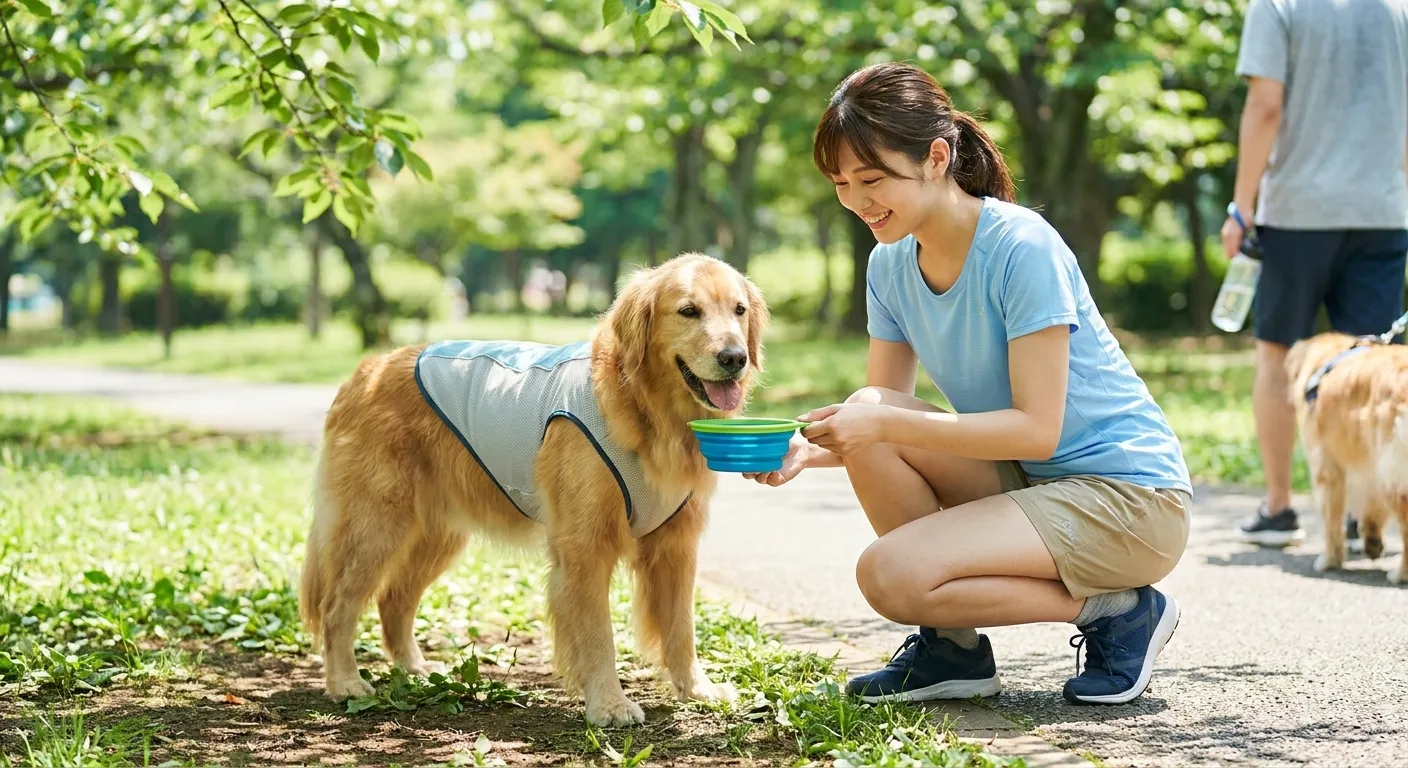
Summer brings longer days and more opportunities for outdoor fun, but it also presents unique challenges for dog owners. Ensuring your dog’s safety during hot weather dog walking is paramount. Dogs don’t sweat like humans do; instead, they primarily cool themselves through panting and by releasing heat through their paw pads. Consequently, this makes them highly susceptible to overheating, which can quickly lead to serious health issues like heatstroke.
As pet parents, we want to maximize our time with our furry companions, especially when the sun is shining. However, understanding the specific risks that elevated temperatures pose to our canine friends is incredibly important. A proactive approach to your dog’s outdoor activities can make all the difference, transforming a potentially dangerous situation into a joyful, safe experience.
Recognizing the Risks of Heatstroke in Dogs
Heatstroke is a medical emergency for dogs, and understanding its signs is crucial for every pet owner. Symptoms often include excessive panting, profuse drooling, and noticeable weakness. Furthermore, you might observe staggering, dark red gums, vomiting, and diarrhea. In severe cases, this dangerous condition can lead to seizures, collapse, and even death. It’s a serious threat that requires immediate attention.
Pavement can become dangerously hot, reaching temperatures high enough to burn paw pads in mere minutes. A simple and effective test is readily available: if you can’t comfortably hold your hand on the pavement for five seconds, then it’s definitely too hot for your dog’s sensitive paws. Certain dog breeds and types are at an even higher risk. Brachycephalic breeds (flat-faced dogs like Pugs and Bulldogs), obese dogs, senior dogs, and those with underlying health conditions are particularly vulnerable. Therefore, extra caution is always advised for these dogs.
Understanding Your Dog’s Unique Vulnerabilities
Every dog is unique, and their tolerance to heat can vary significantly. For instance, breeds with thick double coats, like Huskies or Samoyeds, are naturally built for colder climates and struggle more in the heat. Their coats, while providing insulation, can trap heat when temperatures rise. Similarly, dogs with dark fur absorb more sunlight, making them heat up faster. It’s vital to consider your dog’s individual characteristics when planning any outdoor activity.
Age also plays a substantial role. Puppies and senior dogs have less efficient thermoregulation systems. Puppies are still developing, while older dogs may have age-related health issues that compromise their ability to cool down effectively. Always consult your veterinarian if you have concerns about your dog’s heat tolerance, especially if they have pre-existing medical conditions. Understanding these factors allows us to tailor our dog walking strategies more effectively.
Smart Strategies for Safe Hot Weather Dog Walking
To keep your dog safe and comfortable, adjusting your walking schedule is the first and most crucial step. Opt for early morning or late evening walks when ambient temperatures are significantly cooler. Avoid midday excursions entirely, as this is when the sun’s intensity is at its peak. This simple change can dramatically reduce the risk of overheating for your furry friend.
Always bring plenty of fresh water for your dog and offer it frequently throughout your walk. A portable water bottle with an attached bowl is an excellent investment for any dog owner. Staying hydrated is fundamental to preventing heat-related issues. Consider using a cooling vest or bandanna, which can actively help regulate your dog’s body temperature by providing evaporative cooling. These innovative products are designed to make your dog feel more comfortable even when it’s warm outside.
Protecting Paws and Choosing Paths Wisely
Protecting your dog’s paw pads is another critical aspect of safe warm weather dog walking. Stick to grassy or shaded paths whenever possible, as these surfaces remain much cooler than asphalt or concrete. If you must walk on pavement, consider investing in dog booties. However, ensure your dog is comfortable wearing them before heading out for a long walk. It might take some time for them to adjust, so practice wearing them indoors first.
Furthermore, keep walks shorter and less intense than usual during hot periods. A brisk, long walk on a mild day might be a leisurely stroll on a hot day. Pay close attention to your dog’s body language. If you notice any signs of overheating, stop immediately. Move to a shaded area, offer water, and apply cool (not cold) water to their belly, armpits, and paw pads. This can help to gently lower their core temperature. Seek veterinary attention without delay if symptoms persist or worsen. Early intervention can be life-saving.
Beyond Walks: Keeping Your Dog Cool at Home
While safe hot weather dog walking is essential, keeping your dog cool extends to their home environment too. Ensure they always have access to fresh, clean water bowls, perhaps even adding ice cubes to encourage drinking. A kiddie pool filled with a few inches of water can be a fantastic way for dogs to cool off in the backyard, especially for those who love to splash. Just supervise them closely!
Indoors, air conditioning or fans can make a huge difference. If you don’t have AC, consider drawing curtains or blinds to block direct sunlight and keep your home cooler. Cooling mats are also available, offering a chilled surface for your dog to lie on. These mats often contain gel that activates with pressure, providing a welcome cool spot. Remember, prevention is always better than cure when it comes to heat exposure.
Fun Alternatives to Traditional Walks
When the heat is simply too intense for a traditional walk, consider alternative ways to exercise and stimulate your dog. Indoor playtime can be just as engaging! Think about puzzle toys that challenge their minds or interactive games like fetch in a long hallway. A game of hide-and-seek can also provide mental and physical exercise without the heat risk.
Furthermore, consider visiting pet-friendly indoor facilities if available in your area. Some doggy daycares offer climate-controlled play areas, or you might find indoor dog parks. Swimming is another excellent option for many dogs, provided it’s in a safe, supervised environment like a dog-friendly pool or a calm lake. Always ensure water safety and never leave your dog unattended near water. These alternatives ensure your dog remains happy and active, even when the thermometer soars.
Essential Gear for Hot Weather Adventures
Equipping yourself with the right gear can significantly enhance your dog’s safety and comfort during warm weather. We’ve mentioned portable water bottles and cooling vests, but let’s explore a few more items. Reflective safety vests are not just for visibility; some are designed with light-colored, breathable fabrics that reflect sunlight, helping to keep your dog cooler. Additionally, consider a wide-brimmed hat for dogs with sensitive noses or light-colored fur to protect them from sunburn, though not all dogs tolerate these.
For those beach trips or lakeside adventures, a dog-specific life vest is a must, even for strong swimmers. It provides buoyancy and makes it easier to spot your dog in the water. Remember, even in water, dogs can overheat, so always offer plenty of fresh drinking water and seek shade. Investing in quality gear is an investment in your dog’s well-being.
Monitoring Hydration and Sun Exposure
Hydration is key, but how can you tell if your dog is adequately hydrated? One simple test is to gently pinch a fold of skin on their back. If it snaps back quickly, they are likely well-hydrated. If it takes a few seconds to return to normal, they might be dehydrated. Also, check their gums; they should be moist and pink. Pale or tacky gums can indicate dehydration. Always encourage water intake, perhaps by adding a little low-sodium broth to their water bowl.
Just like humans, dogs can get sunburned, especially on areas with sparse fur like their ears, nose, and belly. Dogs with light-colored fur or thin coats are particularly susceptible. Consider applying a pet-safe sunscreen to these vulnerable areas before prolonged sun exposure. Never use human sunscreen, as many contain ingredients toxic to dogs. Consult your vet for recommendations on safe sun protection for your dog.
When to Seek Veterinary Help
Knowing when to seek professional help is paramount. If your dog exhibits severe symptoms of heatstroke, such as prolonged vomiting, diarrhea, staggering, seizures, or collapse, do not hesitate. This is an emergency. Immediately move them to a cooler environment, try to cool them down with cool (not cold) water, and contact your veterinarian or an emergency animal hospital. Time is critical in these situations.
Even if symptoms seem mild, a vet visit is advisable after any suspected heat exposure incident. Your vet can assess for any internal damage that might not be immediately apparent and provide guidance on recovery. Always prioritize your dog’s health and err on the side of caution. For more information on pet health and safety, you can always refer to reputable sources like the American Veterinary Medical Association (AVMA) or the ASPCA’s hot weather safety tips.
Building a Strong, Safe Bond in All Seasons
By being proactive and mindful of the heat, you can still enjoy quality time outdoors with your dog. Prioritizing their comfort and safety during hot weather dog walking ensures they stay healthy and happy. Remember, our furry friends rely on us to make smart choices for their well-being. This commitment to their safety strengthens the incredible bond we share.
Embrace the joy of summer while also being a responsible pet parent. A little planning goes a long way in preventing heat-related distress. By implementing these strategies, you’ll feel confident that you’re providing the best care for your canine companion, allowing both of you to make wonderful memories, regardless of the temperature. Enjoy your adventures, and stay cool!
For more expert advice and innovative solutions for pet care, be sure to explore the rest of our blog at Expert Dog Walking Tips. We’re here to empower you with the knowledge and tools to build a strong, positive relationship with your pet.
FAQ
What are the primary signs of overheating in dogs?
The main signs include excessive panting, drooling, weakness, staggering, dark red gums, vomiting, and diarrhea. In severe cases, dogs may experience seizures or collapse. If you observe these, act quickly.
When is the best time to walk my dog in warm weather?
The safest times are typically early morning or late evening, after the sun has set, when temperatures are significantly cooler. Avoid midday walks completely, as pavement can be dangerously hot.
How can I protect my dog’s paws from hot pavement?
Always test the pavement with your hand; if it’s too hot for you, it’s too hot for their paws. Stick to grass or shaded paths, or consider using dog booties for protection when walking on warmer surfaces.
What should I do if my dog shows signs of heatstroke?
Immediately move your dog to a cooler, shaded area. Offer small amounts of water and apply cool (not cold) water to their belly, armpits, and paw pads. Contact your veterinarian or an emergency animal clinic without delay.
Are certain dog breeds more susceptible to heat?
Yes, brachycephalic (flat-faced) breeds like Pugs and Bulldogs, obese dogs, senior dogs, and those with thick coats or underlying health conditions are at a higher risk of heat-related illness. Extra precautions are necessary for these pets.
Can I give my dog ice water to cool them down?
While cool water is good for hydration, avoid giving extremely cold or ice water to an overheated dog. Rapid cooling can sometimes cause shock. Instead, offer cool, fresh water and apply cool compresses to their body.

