
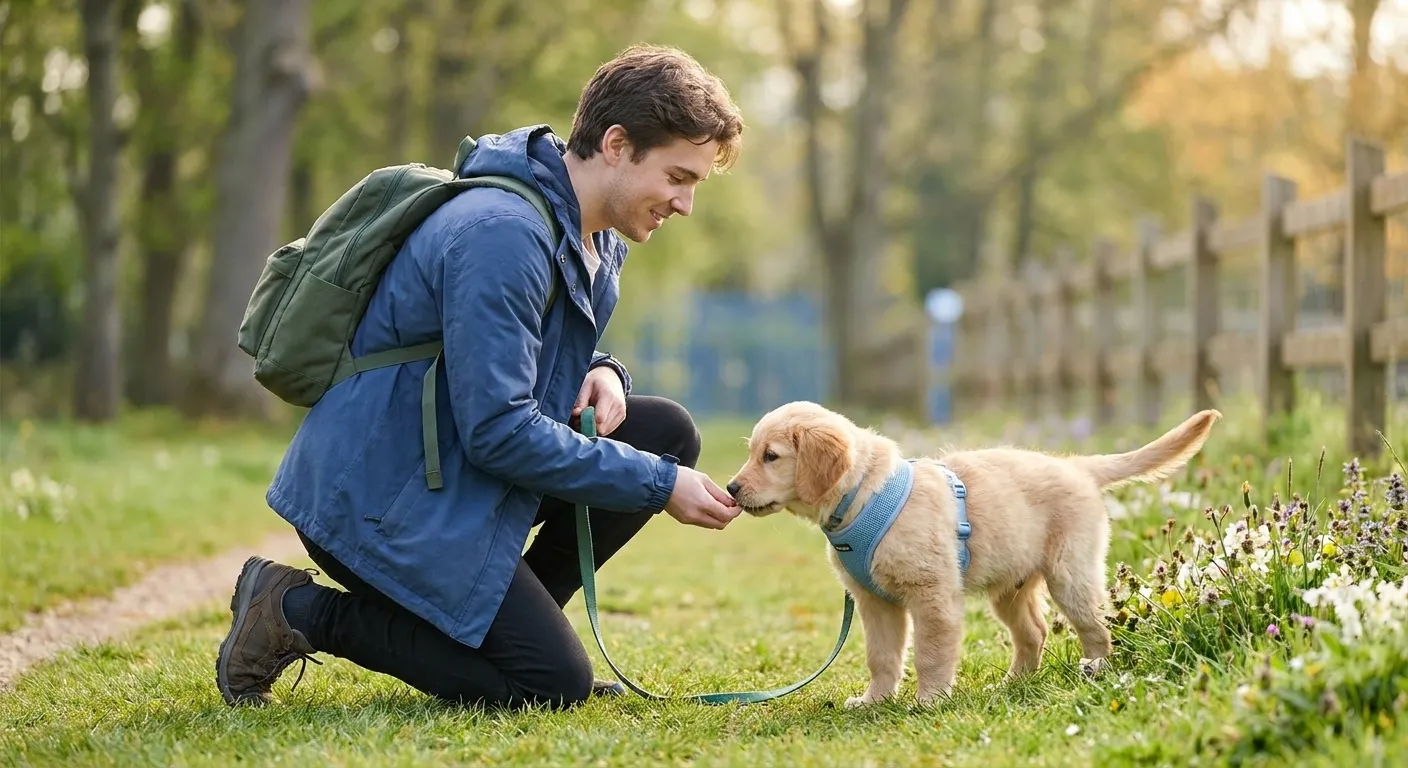
Bringing a new puppy home is an exciting time, filled with cuddles and discovery. Moreover, one of the most anticipated milestones is your puppy’s first walk outside. This isn’t just about potty breaks; it’s a crucial opportunity for socialization, mental stimulation, and building a strong foundation for future adventures. Approaching this experience thoughtfully ensures a positive start for your little explorer, ultimately shaping their view of the world.
Before the First Adventure: Essential Preparations
Before stepping out, ensure your puppy has completed their necessary vaccinations as advised by your veterinarian to protect them from common diseases. This is a critical step for their safety. In addition, get them accustomed to wearing a collar or a lightweight harness and a leash indoors for short periods. Make it a positive experience with treats and praise, so they associate these items with good things. Furthermore, practice walking a few steps on the leash inside, rewarding them for following you. Having a comfortable, well-fitting harness is often better for puppies as it reduces pressure on their developing necks. Don’t forget your poop bags and high-value treats for rewarding good behavior! The American Kennel Club offers great tips on leash training.
Choosing the Right Gear for Your Young Dog
Selecting the correct gear is paramount for comfort and safety. A front-clip harness can be particularly useful for puppies, as it discourages pulling and offers better control without stressing their delicate throats. Similarly, a lightweight, standard leash (4-6 feet long) is ideal for these early outings. Retractable leashes are generally not recommended for puppies, as they can teach inconsistent leash pressure and offer less control. Moreover, an ID tag with your contact information and a microchip are non-negotiable safety measures, providing peace of mind in case your curious pup wanders too far.
The Importance of Early Socialization
Beyond the physical act of walking, early outdoor experiences are vital for socialization. Your puppy needs to be exposed to a variety of sights, sounds, and smells in a positive and controlled manner. This helps them develop into a confident, well-adjusted adult dog. However, it’s essential to balance exposure with protection, especially before all vaccinations are complete. Consider carrying your puppy in a sling or stroller in busier areas to expose them to the world safely from a distance. This way, they can observe without direct contact with potentially unvaccinated dogs or contaminated surfaces.
Making Puppy’s First Walk a Success: Gentle Introductions
Choose a quiet, low-traffic area for your puppy’s initial outdoor explorations – perhaps a quiet street corner, a grassy patch in your yard, or a calm park during off-peak hours. Keep the first few outings short, focused on exploration and positive exposure rather than covering distance. Let your puppy sniff and investigate their surroundings at their own pace. Reward them frequently for any calm engagement with new sights, sounds, and smells. If they show signs of fear (tail tucked, ears back, trying to hide), gently comfort them, move away from the trigger, and end the walk on a positive note in a safe space. The goal is to build confidence, not overwhelm them. Remember, every positive interaction builds a stronger foundation.
Reading Your Puppy’s Body Language
Understanding your puppy’s signals is key to a successful experience. Pay close attention to their body language. A relaxed tail wag, loose body, and sniffing indicate comfort and curiosity. Conversely, a tucked tail, flattened ears, or attempts to hide suggest they are feeling overwhelmed or fearful. If you notice these signs, calmly and gently guide them away from the source of distress. Your reassuring presence is incredibly valuable. Consequently, recognizing these cues allows you to adjust the environment and pace, ensuring that each outdoor adventure remains positive and confidence-building.
The Role of Positive Reinforcement
Positive reinforcement is your most powerful tool during your young dog’s initial outings. Every time your puppy calmly observes a new sound, walks nicely on the leash, or shows interest in a new smell without fear, reward them immediately. Use high-value treats, verbal praise, or a quick game of tug. This creates strong positive associations with the outside world and the walking experience. For example, if they glance at a passing bicycle without barking, a quick

