
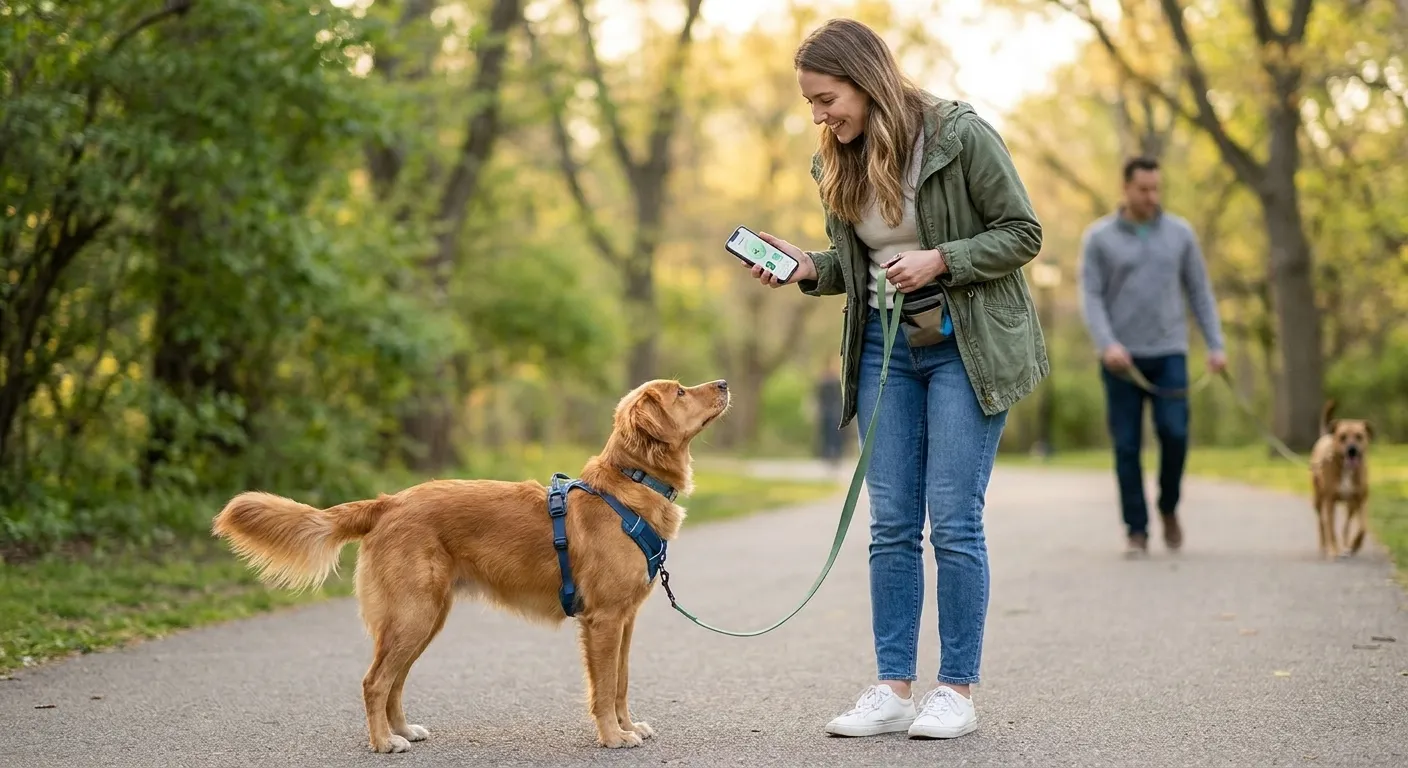
Dog walking is a truly special shared experience. It’s not just for you and your cherished canine companion, but for everyone else enjoying our vibrant public spaces. Practicing good dog walking manners ensures a positive environment for all, fostering community harmony and preventing potential conflicts. As responsible pet parents, we joyfully set the standard for how our dogs interact with the world, making every outing a pleasant one.
We all want our furry friends to be happy and well-adjusted. Moreover, we want our community to see dog owners as considerate and responsible. When we commit to excellent dog walking etiquette, we open doors to more dog-friendly spaces and greater acceptance. Let’s explore how we can make every walk a respectful ramble, building stronger bonds with our pets and our neighbors.
The Golden Rules of Dog Walking Etiquette
Every responsible dog owner knows that certain guidelines make a huge difference. These aren’t just rules; they’re acts of consideration that enhance everyone’s experience outdoors. By embracing these principles, we contribute to a more harmonious community for all.
Always Scoop the Poop
This rule is absolutely non-negotiable. Always carry plenty of poop bags and clean up after your dog immediately. Leaving waste behind is unsanitary, unsightly, and can unfortunately spread disease. It’s a fundamental aspect of good pet ownership. Furthermore, proper disposal of bags in designated bins shows respect for public spaces. Think of it as a small act with a big positive impact on your community.
Keep Your Dog on a Leash (Unless Designated Off-Leash)
Leash laws exist for very good reasons – they ensure safety for your dog, other people, and precious wildlife. Even if your dog has what you consider excellent recall, an unexpected distraction can unfortunately lead to trouble. Therefore, keeping your dog leashed in public areas is a sign of responsibility. Off-leash areas are the clear exception, but even there, always ensure your dog is under reliable voice control. This proactive approach prevents potential mishaps and keeps everyone secure.
Respect Personal Space
It’s important to remember that not everyone is comfortable with dogs. Similarly, some dogs are not comfortable with other dogs. Always ask before allowing your dog to approach another person or dog. This simple courtesy goes a long way. When passing others, keep your dog close to you, giving them ample room. This considerate action prevents anxiety for both people and pets, making interactions smoother. Understanding and honoring personal boundaries is a cornerstone of good dog walking manners.
Manage Barking
While some barking is a natural form of canine communication, excessive or aggressive barking can be disruptive and alarming to others. If your dog is prone to barking at triggers, it’s a great opportunity to work on training to manage this behavior. Furthermore, choosing quieter walking routes can help reduce these instances. Understanding why your dog barks and addressing it with positive reinforcement strengthens your bond and improves public outings. For help with persistent barking, consider exploring bark control devices as a training aid.
Be Mindful of Surroundings
Paying attention to your dog and your environment is absolutely crucial. Try not to be distracted by your phone; instead, engage fully with your walk. Be aware of cyclists, runners, children, and other animals. Anticipate potential issues and react proactively to keep everyone safe. This vigilance is a key component of responsible dog ownership. Consequently, it contributes to a safer and more enjoyable experience for everyone sharing the space.
Cultivating a Positive Walking Culture
By consistently practicing good dog walking manners, you contribute significantly to a positive perception of dog owners in your community. This can lead to more dog-friendly spaces and greater acceptance for all. Encourage others to do the same, and if you encounter someone struggling, offer a kind word or advice, rather than judgment. Remember, a well-behaved dog reflects a responsible owner, and together we can make every ramble a respectful and enjoyable one. Our collective efforts build a better environment for our pets.
The Benefits of Excellent Dog Walking Etiquette
Embracing thoughtful dog walking etiquette offers a wealth of benefits, extending far beyond just avoiding conflict. For instance, it enhances your dog’s safety. A dog under control is less likely to dart into traffic or get into an altercation with another animal. This peace of mind is invaluable for any pet parent. Moreover, it strengthens your bond with your dog. When you consistently guide them through positive interactions and appropriate behavior, they learn to trust your leadership. This deeper connection makes every walk more rewarding.
Furthermore, good behavior during walks can lead to more opportunities for you and your dog. Imagine being welcomed into more cafes, stores, and parks because your dog is known for their calm demeanor. This acceptance enriches both your lives. In addition, it reduces stress for everyone involved. When you’re confident in your dog’s behavior, you can relax and truly enjoy the fresh air and exercise. Other people and pets around you will also feel more at ease, fostering a genuinely positive atmosphere.
Training for Terrific Walks
Achieving outstanding dog walking manners often involves consistent, positive training. Start with the basics: loose-leash walking. Teach your dog that walking calmly by your side is rewarding. Use treats and praise generously when they maintain a slack leash. If they pull, simply stop walking until the leash loosens, then resume. This teaches them that pulling gets them nowhere. For more advanced training, consider incorporating commands like ‘leave it’ or ‘look at me’ to redirect your dog’s attention from distractions. These commands are particularly useful in busy environments. Consistency is key here; practice these skills in various settings, gradually increasing the level of distraction. For example, begin in a quiet park and slowly move to more populated areas. Remember, patience and positive reinforcement are your best tools.
Another excellent strategy is socialization. Carefully expose your dog to different sights, sounds, and smells from a young age. Positive exposure helps them become well-adjusted and less reactive to new stimuli. However, always ensure these experiences are positive and controlled. Avoid overwhelming your dog, especially when they are young. Gradually introduce them to other friendly dogs and people, always supervising interactions. This builds their confidence and reduces anxiety in new situations, which is crucial for good dog walking manners.
Essential Gear for Respectful Rambles
Having the right gear can make a significant difference in maintaining excellent dog walking etiquette. First and foremost, a comfortable, well-fitting harness or collar is essential. Avoid equipment that causes discomfort or pain, as this can create negative associations with walks. A sturdy leash, ideally 4-6 feet long, provides enough freedom for your dog to explore safely while keeping them close to you. Retractable leashes are generally not recommended for public spaces as they offer less control and can pose safety risks.
Don’t forget the waste bags! Always carry more than you think you’ll need. Dispensers that clip onto your leash are incredibly convenient. Furthermore, consider carrying a small bag of high-value treats. These are excellent for rewarding good behavior and for emergency recalls or distractions. For dogs that are easily startled or need extra visibility, especially during dawn or dusk, safety vests can be a wise investment. Additionally, ensure your dog wears an ID tag with up-to-date information, just in case they ever get separated from you.
Navigating Common Challenges with Grace
Even with the best intentions, challenges can arise during walks. For instance, encountering an off-leash dog when yours is leashed can be stressful. In such situations, calmly try to create distance, shield your dog if necessary, and communicate clearly but politely with the other owner. Remember, your priority is your dog’s safety and well-being. If your dog tends to pull excessively, consider tools like a front-clip harness or a head halter, which can provide better control without causing discomfort. Always introduce new equipment gradually and positively.
What about meeting other dog owners? A friendly nod and a smile often suffice. If you’re unsure if another dog is friendly, it’s always best to err on the side of caution and maintain distance. Never assume all dogs want to interact. Respecting individual preferences is a hallmark of good dog walking manners. If your dog gets overly excited or reactive around other dogs, focus on managing their attention with treats and commands, creating positive associations from a distance before attempting closer interactions. Professional trainers can offer invaluable guidance for persistent behavioral challenges.
The Community Impact of Great Dog Walking Manners
When we consistently demonstrate excellent dog walking etiquette, we’re doing more than just managing our own pet; we’re actively shaping the perception of all dog owners. Communities that see responsible pet parents are more likely to support dog parks, allow dogs in more public spaces, and generally foster a more inclusive environment for our furry companions. This positive ripple effect benefits everyone. Conversely, a lack of consideration can unfortunately lead to stricter rules, fewer dog-friendly areas, and increased tension between pet owners and non-owners. By upholding high standards, we advocate for our dogs and their place in society.
Consider becoming an example for others. When you pick up after your dog, even if no one else is around, you’re setting a standard. When you politely manage a barking fit, you’re showing commitment. These small acts collectively build a culture of respect and understanding. Our brand, Expert Dog Walking Tips, believes in empowering dog owners to be the best pet parents they can be. This includes embracing and promoting the best dog walking manners. Let’s work together to ensure our communities are vibrant, welcoming places for both people and their beloved dogs. Your commitment makes a profound difference!
Conclusion: Embracing Respectful Rambles
Embracing excellent dog walking manners is a testament to our love for our dogs and our respect for our communities. From diligently scooping poop to mindfully managing interactions, every action we take contributes to a more harmonious environment. By being knowledgeable, encouraging, and empathetic, we empower ourselves and others to make every walk a positive experience. Remember, consistency in training and a proactive approach to potential challenges will always lead to success. Let’s continue to inspire action through guidance and celebrate every step of progress. Together, we can ensure our shared public spaces remain joyful and welcoming for everyone, two legs or four. Thank you for being a part of our community of responsible and loving pet parents. You can find more helpful resources on our blog.
FAQ: Frequently Asked Questions About Dog Walking
What is the most important rule for dog owners in public?
The most crucial rule is always cleaning up after your dog. Carrying and using waste bags immediately shows respect for public health and community spaces. It’s a fundamental responsibility that prevents unsanitary conditions and maintains the beauty of shared areas.
How can I stop my dog from pulling on the leash?
To prevent leash pulling, practice loose-leash walking by stopping whenever your dog pulls and only resuming when the leash is slack. Reward calm walking with treats and praise. Consistency and patience are key for this training. Using a front-clip harness can also provide better control.
Is it okay for my dog to greet every person and dog we meet?
No, it’s not always appropriate. Always ask for permission before allowing your dog to approach another person or dog. Many people and pets prefer their space, and respecting these boundaries is a vital part of good canine etiquette. This prevents potential stress or conflict.
What should I do if another dog approaches mine off-leash?
If an off-leash dog approaches, remain calm. Try to create distance, step between your dog and the approaching dog if safe to do so, and firmly ask the other owner to leash their pet. Your priority is to ensure your dog’s safety and prevent unwanted interactions.
How can I make our walks more enjoyable for my dog?
To enhance your dog’s walks, vary your routes to introduce new scents and sights. Allow time for sniffing, which is mentally stimulating for dogs. Incorporate short training exercises or play sessions during the walk. Always ensure their comfort and safety, and keep it positive!
Why are respectful dog walks so important for the community?
Respectful dog walks are crucial because they foster a harmonious coexistence between dog owners and the wider community. When owners demonstrate excellent pet behavior, it builds trust and can lead to more dog-friendly public spaces. Conversely, poor behavior can create negative perceptions and lead to restrictions. For further insights on responsible pet ownership, you can consult resources from the ASPCA. Additionally, understanding local regulations, such as those often provided by The Humane Society, can greatly assist in being a considerate pet parent.

