
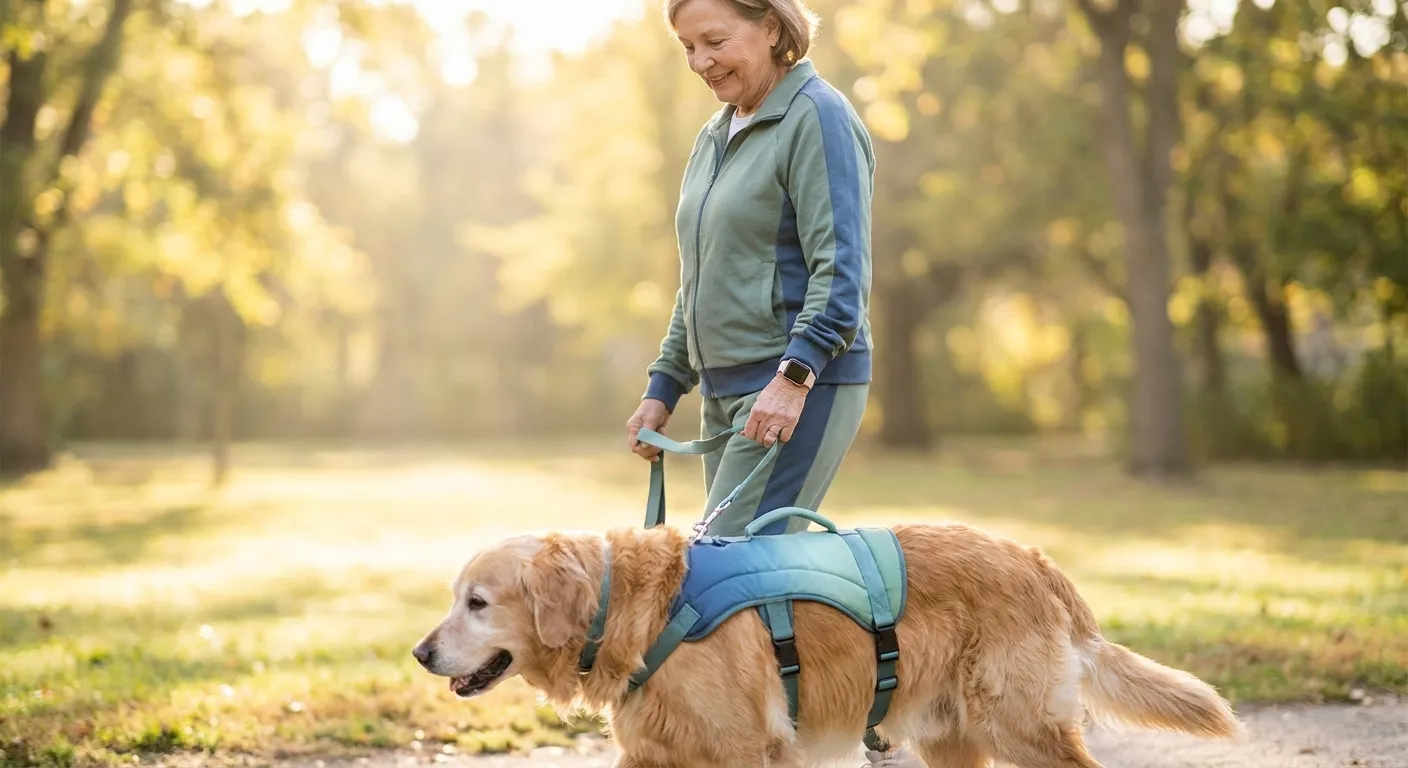
As our beloved canine companions age, their needs naturally evolve, especially when it comes to physical activity. What was once a vigorous hike might now be a gentle stroll. Tailoring senior dog exercise routines is crucial for maintaining their quality of life, managing age-related conditions, and ensuring their continued happiness and comfort. It’s about adapting, not stopping, their activity. Moreover, a thoughtful approach can truly enhance their golden years.
Understanding Your Senior Dog’s Changing Needs
Just like humans, senior dogs can experience a range of age-related issues. These often include arthritis, decreased stamina, vision or hearing loss, and even cognitive decline. Consequently, these changes mean that their exercise capacity and preferences will shift significantly. It is important to watch for signs of discomfort during or after walks, such as limping, stiffness, a slower pace, reluctance to walk, or increased panting. In fact, observing these subtle cues can help you adjust their routine proactively.
A consultation with your veterinarian is absolutely essential to rule out any underlying medical conditions. They can also provide personalized recommendations for their exercise regimen. Furthermore, your vet might suggest supplements, pain management strategies, or even physical therapy to support your dog’s mobility. This professional guidance ensures that any adjustments to their physical activity are safe and beneficial.
Tailoring Senior Dog Exercise for Well-being
When it comes to senior dog exercise, consistency and moderation are incredibly important. Instead of one long walk, consider several shorter, gentle walks throughout the day. These brief outings still offer valuable mental stimulation through sniffing and exposure to the environment. Crucially, they do so without overexerting tired joints. Always choose flat, even surfaces to minimize strain, and proactively avoid slippery floors. Similarly, ensure their walking path is free of obstacles that could cause a stumble.
Introduce gentle, low-impact activities like swimming, if your dog enjoys it and it’s safe. Swimming can be wonderfully therapeutic for joints. Short sessions of canine massage can also improve circulation and flexibility. Additionally, puzzle toys and scent games provide excellent mental enrichment without requiring significant physical stress. These activities keep their minds sharp and engaged. Always be mindful of weather conditions, as extreme heat or cold can be particularly hard on older dogs. For instance, consider indoor activities on very hot or icy days.
Creating a Comfortable Exercise Environment
The environment where your senior dog exercises plays a significant role in their comfort and safety. Firstly, ensure their walking paths are familiar and free from sudden changes in terrain. This helps dogs with vision or hearing impairments navigate more confidently. Secondly, consider specialized gear. For example, a comfortable harness can distribute pressure more evenly than a collar, reducing strain on their neck and spine. The American Kennel Club also emphasizes the importance of a safe environment for older pets.
Moreover, proper paw care is often overlooked. Older dogs can develop drier paw pads or longer nails, which can affect their grip and comfort. Regular nail trims and moisturizing balms can make a big difference. Think about adding traction socks or booties if your dog struggles on slippery indoor surfaces. These small adjustments can significantly improve their confidence and reduce the risk of falls during their senior dog exercise sessions.
Recognizing and Responding to Your Dog’s Signals
Your dog will communicate their comfort levels, so listening to them is paramount. They will tell you when they’ve had enough. Watch for signs such as lagging behind, excessive panting, stiffness, or an unwillingness to continue. Ending an activity before they’re exhausted or in pain will keep walks and playtime a positive experience. This approach fosters trust and ensures they look forward to future outings. On the other hand, pushing them too hard can lead to injury or a negative association with exercise.
Furthermore, observe their behavior after exercise. Are they more tired than usual? Do they seem stiff the next morning? These observations can help you fine-tune the intensity and duration of their activities. Adjusting your approach to senior dog exercise helps them stay active, engaged, and comfortable, celebrating their golden years with gentle strides and continued companionship. This empathetic understanding truly strengthens your bond.
The Role of Nutrition and Supplements in Mobility
A balanced diet is fundamental for senior dogs, directly impacting their energy levels and joint health. High-quality senior dog food formulations are specifically designed to meet their changing metabolic needs. These often include fewer calories to prevent weight gain and higher levels of protein to maintain muscle mass. In addition, supplements can play a crucial supportive role.
Consider joint supplements containing glucosamine, chondroitin, and MSM, which can help support cartilage health and reduce inflammation. Omega-3 fatty acids, found in fish oil, are also beneficial for reducing inflammation and promoting overall joint and skin health. Always consult your veterinarian before introducing any new supplements. They can recommend the most appropriate options and dosages for your individual dog’s health profile. This holistic approach complements thoughtful senior dog exercise beautifully.
Mental Stimulation: Keeping Their Minds Sharp
While physical activity needs to be adapted, mental stimulation remains vital for senior dogs. Engaging their minds can help prevent cognitive decline and keep them happy. Beyond puzzle toys, consider introducing new, gentle scent games. Hide treats around the house and encourage them to sniff them out. This activity is low-impact but incredibly rewarding.
Short, positive training sessions can also be beneficial. Reviewing familiar commands or teaching new, simple tricks can boost their confidence and provide mental exercise. Use high-value treats and keep sessions brief and fun. Even just changing your walking route slightly can offer new smells and sights, providing novel mental input without extra physical exertion. These mental workouts are just as important as physical senior dog exercise for overall well-being.
Rehabilitation and Physical Therapy Options
For senior dogs facing significant mobility challenges, specialized rehabilitation and physical therapy can be transformative. These programs are often tailored by veterinary professionals and can include a variety of techniques. Hydrotherapy, for instance, allows dogs to exercise in water, reducing impact on joints while building muscle strength. This can be particularly helpful for dogs with severe arthritis.
Acupuncture, laser therapy, and therapeutic exercises are other modalities that can improve comfort, reduce pain, and enhance mobility. A certified canine rehabilitation therapist can assess your dog’s specific needs and develop a customized plan. These therapies, when combined with appropriate senior dog exercise adjustments, can significantly improve your dog’s quality of life. Washington State University College of Veterinary Medicine provides more information on the benefits of physical rehabilitation.
Embracing the Journey: Celebrating Golden Years
Watching our dogs age can be bittersweet, but it’s also an opportunity to deepen our bond and provide them with the best possible care. Adapting their lifestyle, especially their activity levels, demonstrates our commitment to their comfort and happiness. Remember, every dog is an individual. What works for one senior dog might not work for another. Therefore, flexibility and patience are key.
Celebrate every gentle stride, every wag of the tail, and every moment of shared companionship. Our role as pet parents evolves, moving towards providing more support and understanding. By making thoughtful adjustments to their senior dog exercise and overall care, we ensure their golden years are filled with dignity, joy, and continued love. This journey of adaptation is a testament to the enduring love we share with our aging companions. For more insights into dog care, you can always visit our Blog.
FAQ
How often should an older dog walk?
Older dogs typically benefit from multiple shorter walks throughout the day, perhaps 2-3 times for 10-15 minutes each. This is often better than one long excursion. Always observe your dog’s energy levels and comfort to determine the best frequency and duration for their daily outings.
What are good low-impact activities for senior pets?
Excellent low-impact activities for senior pets include gentle leash walks on soft, even surfaces, swimming (if they enjoy it and it’s safe), and short sessions of indoor play with interactive toys. Scent games and puzzle feeders also provide great mental stimulation without physical strain.
How can I tell if my senior dog is in pain during activity?
Look for subtle signs such as limping, stiffness, a reluctance to move, a slower pace, excessive panting, or changes in their usual posture. They might also vocalize pain or withdraw. If you notice any of these symptoms, consult your veterinarian promptly to assess their comfort and health.
Should I still play fetch with my aging dog?
You can, but it should be modified. Instead of long-distance throws, try gentle rolls of a soft toy a short distance away. Focus on fun and engagement rather than intense retrieval. Always ensure the surface is safe and avoid overexertion to keep the experience positive.
What if my older dog refuses to exercise?
If your older dog refuses to participate in physical activity, it’s a strong indicator that something might be wrong. Consult your veterinarian immediately to rule out pain, illness, or other medical conditions. Once medical issues are addressed, you can explore very gentle, low-impact options and mental enrichment to keep them engaged.

