
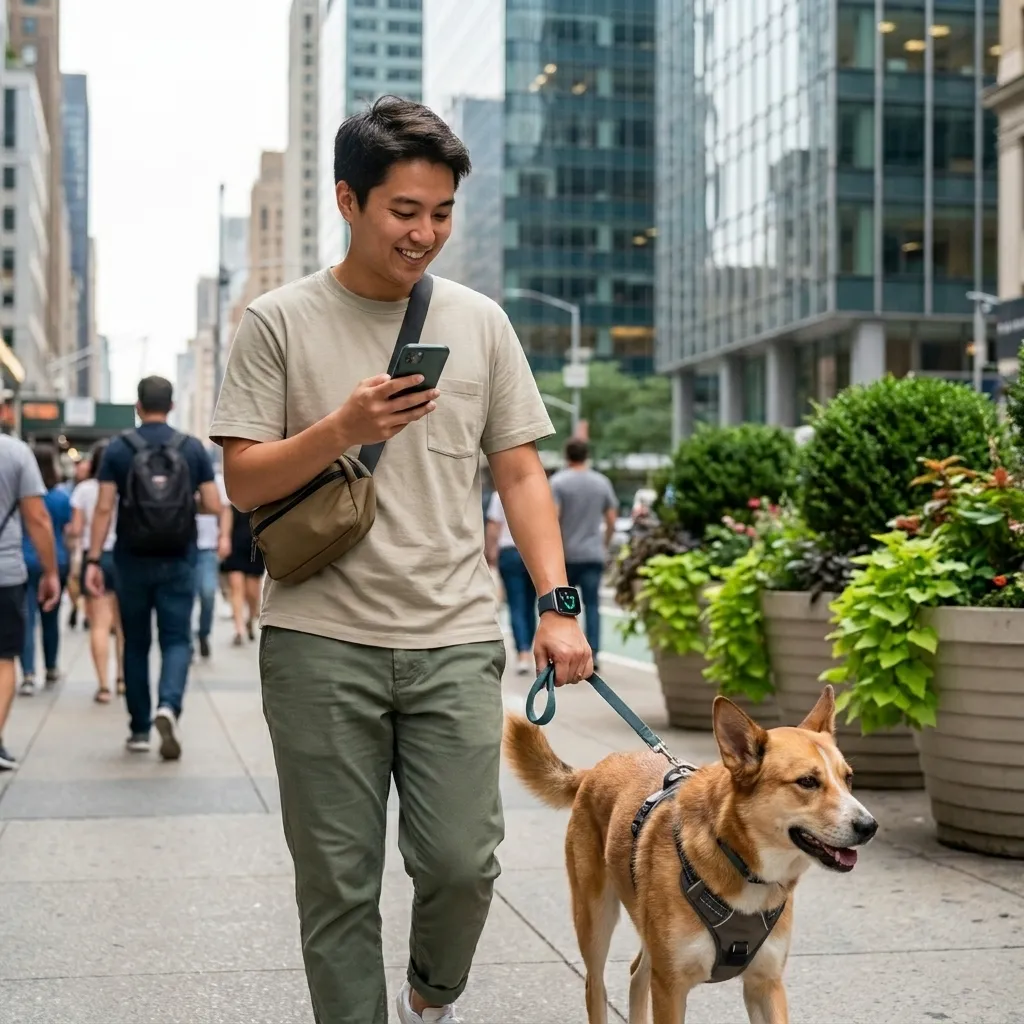
Ava, a marketing manager in her late twenties, loved living in the bustling city, but her one-year-old Golden Retriever, Max, was struggling with their daily walks. The vibrant urban environment, which Ava adored, was a source of constant stress for Max. Loud sirens, crowded sidewalks, sudden skateboarders, and the incessant chatter of the city left Max jumpy, reactive, and often pulling relentlessly. Ava knew she needed to tackle these city dog walking challenges to ensure Max could enjoy his outings.
Max’s Urban Overwhelm: A Case Study
When Max was a puppy, city walks were manageable, but as he grew and his curiosity (and energy) intensified, so did his anxiety. Ava observed Max frequently lunging at pigeons, barking at passing buses, and cowering from sudden noises. His pulling became so strong that Ava, despite her fitness, found herself dreading walks. She worried Max wasn’t getting the enriching experience he needed, and their bond was suffering. Traditional advice to “just walk more” wasn’t helping; in fact, it often exacerbated Max’s stress.
Ava’s experience is incredibly common among urban dog owners. The city, while exciting for humans, presents a unique set of sensory overloads and safety concerns for our canine companions. Understanding these specific hurdles is the first step towards transforming stressful outings into enjoyable adventures. Therefore, let’s explore practical strategies to help your dog thrive amidst the hustle and bustle.
Understanding the Urban Environment from Your Dog’s Perspective
For us, the city is a symphony of life. For our dogs, however, it can be an overwhelming cacophony. Think about it: a dog’s sense of smell is thousands of times stronger than ours. Every lamppost, every tree, every sidewalk crack tells a complex story of countless other dogs, people, and events. Moreover, their hearing is far more acute, making sirens, construction noises, and even distant chatter incredibly intense. This constant barrage of sensory input can lead to anxiety, fear, and reactivity.
Furthermore, the visual landscape is constantly changing. Bikes, scooters, strollers, and an endless stream of unfamiliar faces pass by. Dogs, especially those not properly socialized to urban life from a young age, can find this unpredictable environment deeply unsettling. Consequently, their natural responses might include barking, lunging, pulling, or even shutting down.
Essential Tools for Navigating City Dog Walking Challenges
Having the right gear can make a significant difference in managing urban walks. First, a well-fitting harness is paramount. Avoid collars that put pressure on your dog’s neck, particularly if they pull. A front-clip harness can gently redirect your dog’s attention back to you, making walks much more manageable. Second, a sturdy leash, ideally 6 feet long, provides enough slack for exploration while keeping your dog safely close.
Additionally, consider a treat pouch filled with high-value rewards. These are indispensable for positive reinforcement and distraction. For dogs prone to eating discarded food on the street, a comfortable muzzle can be a safety tool, not a punishment, preventing ingestion of harmful items. Lastly, ensure your dog wears an ID tag and potentially a GPS tracker. This offers peace of mind in case they ever get separated from you in a busy area. In fact, many urban dog owners find these tools invaluable for daily safety.
Training Techniques for a Calmer Urban Pup
Addressing specific urban dog walking challenges requires consistent, positive reinforcement training. Start with basic obedience commands in a low-distraction environment, then gradually introduce them to busier settings. Here are some key techniques:
- Loose-Leash Walking: This is fundamental. Practice walking with a loose leash in quiet areas. Reward your dog frequently for staying by your side without pulling. If they pull, stop walking immediately. Resume only when the leash slackens. This teaches them that pulling gets them nowhere.
- “Look at Me” Command: Teach your dog to make eye contact on command. This is incredibly useful for redirecting their attention away from potential triggers like other dogs, squirrels, or loud noises. Practice this command diligently with high-value treats.
- Desensitization and Counter-Conditioning: Gradually expose your dog to urban stimuli from a distance they can tolerate without reacting. For example, if buses are a trigger, start by observing buses from far away. As a result, reward calm behavior with treats. Over time, slowly decrease the distance. This process changes their emotional response from negative to positive.
- “Leave It” Command: This command is vital for preventing your dog from picking up discarded food or other potentially dangerous items on the sidewalk. Practice it consistently with various tempting distractions.
Remember, patience and consistency are key. Every small success is a step forward, strengthening your bond and building your dog’s confidence in the urban environment. Moreover, celebrate every improvement, no matter how minor.
Creating a Safe and Enriching Urban Walk
Beyond training, thoughtful planning can mitigate many urban walking difficulties. Firstly, consider the timing of your walks. Early mornings or late evenings often have fewer crowds and less traffic, offering a calmer experience. Secondly, vary your routes. While routine can be comforting, exploring different, perhaps quieter, side streets or small urban parks can provide novel smells and sights without the intense overload of main thoroughfares.
Furthermore, incorporate mental stimulation into your walks. Instead of just walking in a straight line, let your dog sniff. Sniffing is incredibly enriching and can be very calming for dogs. It’s their way of reading the world. You can also hide treats along the route or play short, engaging games. This transforms a simple walk into a mental workout, helping to alleviate stress and boredom. For example, you might bring along a favorite puzzle toy for a quick break at a quiet park bench.
Managing Reactivity on City Streets
Reactivity – barking, lunging, or growling at other dogs, people, or objects – is a common urban dog walking challenge. If your dog exhibits reactive behaviors, it’s crucial to understand that they are likely feeling overwhelmed or fearful, not aggressive. Therefore, management and training go hand-in-hand.
- Identify Triggers: Pay close attention to what sets your dog off. Is it other dogs? Skateboarders? Children? Knowing their triggers helps you anticipate and prepare.
- Increase Distance: When you spot a trigger, create distance. Cross the street, turn around, or step into a doorway. The goal is to keep your dog under their threshold, meaning they notice the trigger but don’t react.
- Positive Interrupters: Have a sound or word that reliably gets your dog’s attention, like a kissy sound or a cheerful “yip!” Use this to interrupt an impending reaction, then immediately reward them for looking at you.
- Seek Professional Help: For severe reactivity, consulting a certified professional dog trainer or veterinary behaviorist is highly recommended. They can provide personalized strategies and support. The Association of Professional Dog Trainers (apdt.com) is a great resource for finding qualified professionals.
Remember, every reactive incident can reinforce the behavior, so prevention and proactive management are key. Consistent, calm guidance from you can make a world of difference.
Building Your Dog’s Confidence in Urban Environments
Confidence is a powerful antidote to fear and anxiety. To help your dog overcome city dog walking challenges, focus on building their self-assurance. Start by celebrating small victories. Did they walk past a bus without barking? Great! Reward them enthusiastically. Did they calmly sit while a group of people passed? Fantastic! Positive reinforcement builds positive associations.
Furthermore, controlled exposure to novel, yet not overwhelming, experiences can be beneficial. Consider visiting dog-friendly patios during off-peak hours, or taking short rides on public transport if it’s safe and allowed. Always ensure these experiences are positive and short-lived. Over time, these positive exposures help your dog generalize their calm behavior to new situations. For more ideas on enriching activities, consider exploring various interactive toys that can provide mental stimulation even indoors.
Safety First: Protecting Your Urban Canine
City life comes with inherent risks, so prioritizing your dog’s safety is non-negotiable. Always keep your dog on a leash, even in seemingly quiet areas. This prevents them from running into traffic, encountering aggressive dogs, or ingesting harmful substances. Moreover, be aware of your surroundings. Look out for broken glass, discarded food, and other hazards on the sidewalk.
Consider reflective gear or a safety vest for walks during dawn, dusk, or nighttime. This significantly increases your dog’s visibility to drivers and cyclists. Hydration is also crucial, especially on warmer days. Carry a portable water bowl and fresh water for your dog. Additionally, be mindful of hot pavement in summer; if it’s too hot for your hand, it’s too hot for their paws. For information on responsible pet ownership, the ASPCA (aspca.org) offers a wealth of resources.
When to Seek Expert Help for City Dog Walking Challenges
While many city dog walking challenges can be addressed with consistent training and management, some situations warrant professional intervention. If your dog displays severe fear, aggression, or anxiety that you feel unable to manage, do not hesitate to consult a certified professional dog trainer or a veterinary behaviorist. These experts can diagnose underlying issues, develop tailored training plans, and provide guidance on medication if necessary. They possess the knowledge and experience to help you and your dog navigate even the most complex urban obstacles.
Embracing the Urban Adventure Together
Overcoming city dog walking challenges is a journey, not a destination. It requires patience, understanding, and a commitment to your dog’s well-being. By implementing these strategies, you can transform stressful walks into enriching experiences, strengthening the incredible bond you share. Imagine enjoying peaceful strolls with your confident companion, no longer dreading the next unexpected siren or crowded sidewalk. This shared success is incredibly rewarding.
Remember, every dog is an individual. What works for one may need adjustment for another. Stay observant, be flexible, and celebrate every step forward. You’ve got this, and your dog will thank you for it. For more tips and resources, feel free to explore our blog.
FAQ
How can I make city walks less stressful for my anxious dog?
To reduce stress during urban strolls, begin by identifying your dog’s triggers. Then, practice desensitization and counter-conditioning, gradually exposing them to triggers from a distance while rewarding calm behavior. Choose quieter times for walks, use a comfortable harness, and focus on positive reinforcement. Short, positive experiences are more beneficial than long, overwhelming ones.
What gear is best for managing a pulling dog in the city?
For dogs that pull, a front-clip harness is highly recommended as it gently redirects their momentum. A sturdy, 6-foot leash offers a good balance of control and freedom. Additionally, a treat pouch filled with high-value rewards is essential for reinforcing loose-leash walking and positive behavior.
How do I stop my dog from barking at everything on city walks?
Stopping excessive barking during urban outings involves a multi-faceted approach. First, identify what your dog is barking at. Then, use the “Look at Me” command to redirect their attention before they start barking, rewarding them for eye contact. Increase distance from triggers, and consider seeking guidance from a professional trainer for persistent barking issues.
Are there good places to walk a dog in a busy city?
Yes, even in busy cities, you can find suitable walking spots. Look for smaller, less crowded neighborhood parks, quiet residential streets, or designated dog runs. Vary your routes and explore areas during off-peak hours (early mornings or late evenings) to minimize sensory overload. The goal is to find environments where your dog can feel comfortable and relaxed.
How can I ensure my dog’s safety while navigating urban streets?
Prioritize safety by always keeping your dog on a leash and ensuring they wear an ID tag. Be vigilant for hazards like broken glass or discarded food. Consider reflective gear for low-light walks and protect paws from hot pavement. Awareness of your surroundings and proactive management of potential risks are crucial for safe urban dog walks.

