
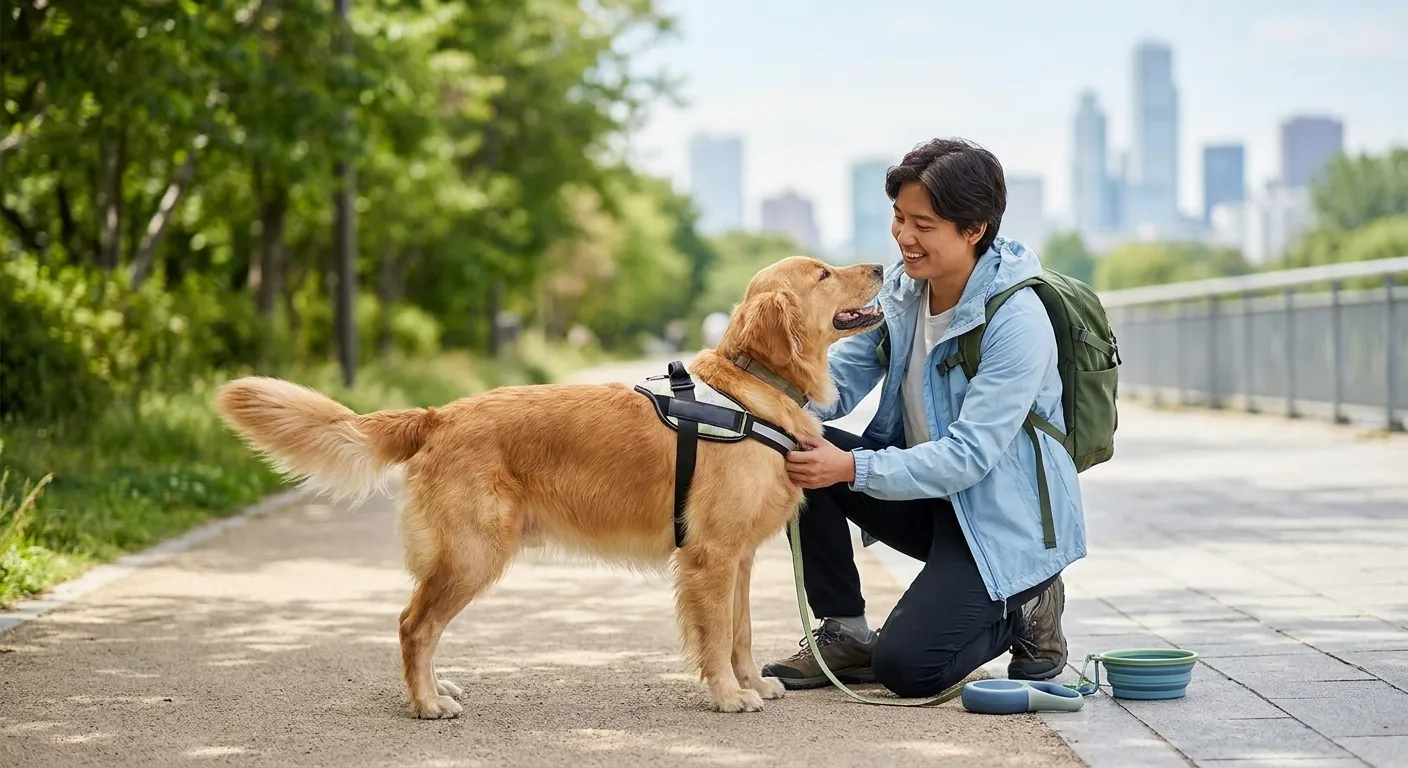
For many of us, the daily dog walk is a cherished ritual – a chance for our furry companions to explore, exercise, and connect with the world. However, whether you’re navigating bustling city sidewalks or tranquil forest trails, potential hazards lurk. Mastering essential dog walking safety tips is not just about avoiding danger; it’s about empowering yourself with the knowledge to ensure every outing is a joyful, stress-free experience for both you and your pup. As nearly 70% of U.S. households own a pet, the demand for practical, real-world advice on safe pet care is higher than ever. Consequently, understanding how to protect your dog in various environments is paramount.
Navigating Urban Jungles and Wild Trails: Essential Outdoor Dog Safety Advice
Different environments present unique challenges. Therefore, being prepared means understanding the specific risks and how to mitigate them. We aim to equip you with the best strategies for keeping your dog safe.
Environmental Hazards to Consider
- Pavement Heat: In urban areas, asphalt can reach scorching temperatures, burning paw pads. Always check the pavement with your hand; if it’s too hot for you, it’s too hot for your dog. Consider walking during cooler parts of the day or investing in paw protection. Furthermore, booties can offer excellent defense against hot surfaces.
- Weather Extremes: From sudden thunderstorms to intense heat or biting cold, weather can change quickly. Monitor forecasts and know your dog’s tolerance limits. Carry water in warm weather and ensure your dog has appropriate insulation in cold conditions. For example, a dog coat can be a lifesaver in winter.
- Poisons & Debris: Urban environments can hide discarded food, broken glass, or toxic substances. On trails, be wary of poisonous plants, mushrooms, and standing water that might contain harmful bacteria. Keep a close eye on your dog and practice a strong ‘leave it’ command. In fact, training this command diligently is one of the most effective ways to prevent accidental ingestion.
- Wildlife Encounters: In nature, respect wildlife. Keep your dog leashed in areas where wildlife is prevalent to prevent chases or confrontations. Even in urban settings, squirrels and pigeons can be distractions, so maintaining leash control is vital. Consequently, a secure leash is always recommended.
Leash & Gear Preparedness for Every Adventure
Your equipment is your first line of defense. Therefore, choosing the right gear is crucial for effective dog walking safety tips.
- Appropriate Leash & Harness: A comfortable, well-fitting harness (not just a collar) can prevent strain on your dog’s neck and offer better control. For reactive dogs or those prone to pulling, specialized harnesses can be incredibly helpful. Ensure your leash is durable and the right length for your environment. We often recommend a 6-foot leash for optimal control in most settings.
- Reflective Gear: For walks during dawn, dusk, or night, reflective vests, collars, or leashes are non-negotiable for visibility to drivers and cyclists. Similarly, consider safety vests for yourself to increase overall visibility.
- Waste Bags & Water: Always carry plenty of waste bags and a portable water bottle with a bowl, especially on longer walks. Hydration is key, and responsible waste disposal is a must for maintaining clean public spaces.
Proactive Health & Emergency Preparedness for Safe Dog Walks Guidance
Even with the best precautions, emergencies can happen. Being prepared can make all the difference. Our aim is to empower you with the tools to handle unexpected situations confidently.
Essential Emergency Supplies
- Basic First Aid Kit: Carry a small kit with essentials like antiseptic wipes, gauze, adhesive tape, tweezers (for splinters or ticks), and a pet-safe wound spray. Knowing basic canine first aid can be incredibly beneficial. For instance, a quick online search can provide excellent resources for common dog injuries.
- Emergency Contact Info: Always have your vet’s number, a trusted emergency vet clinic, and a close contact readily available. Consider attaching a small tag with this information to your dog’s harness or your own bag.
- Identification: Ensure your dog wears an ID tag with up-to-date contact information. Microchipping is also a vital backup, offering permanent identification. A GPS tracker can provide an extra layer of security, especially in unfamiliar territories.
Behavioral Considerations for Enhanced Dog Walking Safety Tips
Your dog’s behavior plays a significant role in safe outings. Understanding and managing their reactions is a key component of effective dog walking safety tips.
- Leash Manners: A dog that pulls excessively or lunges can quickly turn a pleasant walk into a stressful ordeal, or even a dangerous one. Consistent positive reinforcement training for loose-leash walking is essential. Consequently, practicing this regularly will make walks more enjoyable for both of you.
- Socialization: Well-socialized dogs are generally more comfortable and predictable around other dogs and people. However, always assess the situation and your dog’s comfort level before allowing interactions.
- Recall Training: A reliable recall (‘come’ command) is paramount, especially in off-leash areas (where permitted). This command can prevent your dog from running into traffic, approaching aggressive animals, or getting lost. Indeed, it’s one of the most important commands your dog can learn.
- Awareness of Surroundings: Pay attention to your environment. Distracted walking, whether by phone or daydreaming, can prevent you from noticing potential hazards. Being present and observant is a fundamental aspect of responsible dog walking.
Mastering Advanced Dog Walking Safety for Every Adventure
Taking your dog on adventures, whether through bustling city parks or serene hiking trails, is a rewarding experience. To ensure these outings are always safe and enjoyable, it’s important to go beyond the basics. Let’s explore further advanced dog walking safety tips that empower you and your furry friend.
Understanding Your Dog’s Limits and Needs
Every dog is unique. Therefore, understanding your individual dog’s physical capabilities and temperament is crucial. A high-energy working breed will have different exercise needs than a senior dog or a brachycephalic breed. For example, short-nosed breeds often struggle more in hot weather. Always consider their age, breed, and health condition when planning walks. Consult your vet if you’re unsure about appropriate exercise levels. This personalized approach is a cornerstone of effective dog walking safety tips.
Advanced Leash Control and Equipment
While a standard leash and harness are great, specific situations might call for more specialized gear. For instance, if you have a strong puller, a front-clip harness can provide better control by redirecting their momentum. For nighttime walks, consider LED collars or clip-on lights in addition to reflective gear. Furthermore, long lines (30-50 feet) can be excellent for practicing recall in safe, open areas, allowing your dog more freedom while still maintaining a connection. Always ensure any equipment is properly fitted to prevent chafing or escapes.
Navigating Specific Urban Challenges
Urban environments present unique challenges beyond just hot pavement. Think about busy intersections, construction sites, or crowded markets. Practice walking your dog calmly past distractions. If your dog is reactive to certain triggers, like skateboards or other dogs, work on desensitization and counter-conditioning. Knowing when to cross the street or create space can prevent stressful encounters. Moreover, always be mindful of food waste on sidewalks, which can be tempting and dangerous for curious pups. These specific urban dog walking safety tips can make a huge difference.
Trail Etiquette and Wilderness Preparedness
When heading to trails, respect nature and other trail users. Keep your dog leashed unless in designated off-leash areas and ensure they have a reliable recall. Carry enough water for both of you, plus extra. Be aware of local wildlife – coyotes, bears, and even deer can pose risks. Research common poisonous plants in the area you plan to visit. Furthermore, understand how to remove ticks properly and check your dog thoroughly after every trail walk. A small bell on your dog’s collar can alert wildlife to your presence, potentially preventing surprise encounters. For longer treks, a doggy backpack can allow your pup to carry some of their own supplies, like water or collapsible bowls.
Developing a Strong ‘Leave It’ and ‘Drop It’ Command
These two commands are indispensable for dog walking safety tips, especially in environments where tempting or dangerous items might be present. ‘Leave It’ prevents your dog from picking up something undesirable (like discarded food or a dead animal), while ‘Drop It’ teaches them to release something they already have in their mouth. Consistent training with high-value rewards will solidify these commands, making your walks much safer and less stressful. This proactive training empowers you to manage unexpected situations effectively.
Building a Partnership Through Positive Reinforcement
Ultimately, the most effective dog walking safety tips come from a strong, positive relationship with your dog. Using positive reinforcement builds trust and encourages your dog to look to you for guidance. Celebrate their successes, be patient with their challenges, and always approach training with empathy and understanding. A well-trained dog is a happy dog, and a happy dog is a safer dog. Consider exploring puzzle toys or interactive toys to mentally stimulate your dog at home, which can also contribute to better behavior on walks.
Conclusion: Embracing Safe and Joyful Adventures
Embarking on walks with your canine companion is one of life’s great joys. By consistently applying these comprehensive dog walking safety tips, you’re not just preventing potential hazards; you’re actively creating a foundation for enriching, stress-free experiences. Remember, every walk is an opportunity to strengthen your bond, explore new sights and smells, and celebrate the incredible partnership you share. Stay vigilant, stay prepared, and most importantly, enjoy every step of the journey with your beloved dog. We hope these guidelines empower you to confidently explore both urban landscapes and natural trails, ensuring every outing is a positive memory for you and your pup. Furthermore, remember that continuous learning and adaptation are key to successful dog ownership.
FAQ
How can I protect my dog’s paws from hot pavement?
Always check the pavement temperature with your hand; if it’s too hot for you to hold for five seconds, it’s too hot for your dog’s paws. Walk during cooler parts of the day, use paw balm as a protective barrier, or consider dog booties for sensitive paws or extreme temperatures.
What should I do if my dog encounters wildlife on a trail?
Maintain control of your dog by keeping them on a leash in wildlife-prone areas. If an encounter occurs, calmly and firmly recall your dog, tighten your leash, and move away from the wildlife. Never encourage your dog to chase or harass animals.
What are the most important items to carry on a dog walk?
Essential items include waste bags, a portable water bottle with a bowl, your phone, emergency contact information, and your dog’s identification. For longer walks, a small first aid kit and reflective gear are also highly recommended.
How can I improve my dog’s leash manners?
Consistent positive reinforcement training is key. Reward your dog for walking calmly by your side with treats and praise. Avoid pulling on the leash, as this can encourage your dog to pull back. Consider a front-clip harness for better control during training.
When is it safe to let my dog off-leash?
Only let your dog off-leash in designated, secure off-leash areas where it is permitted by law. Your dog must have a reliable recall command and be well-socialized. Always assess the environment for potential hazards and other dogs before releasing your dog from the leash.

