
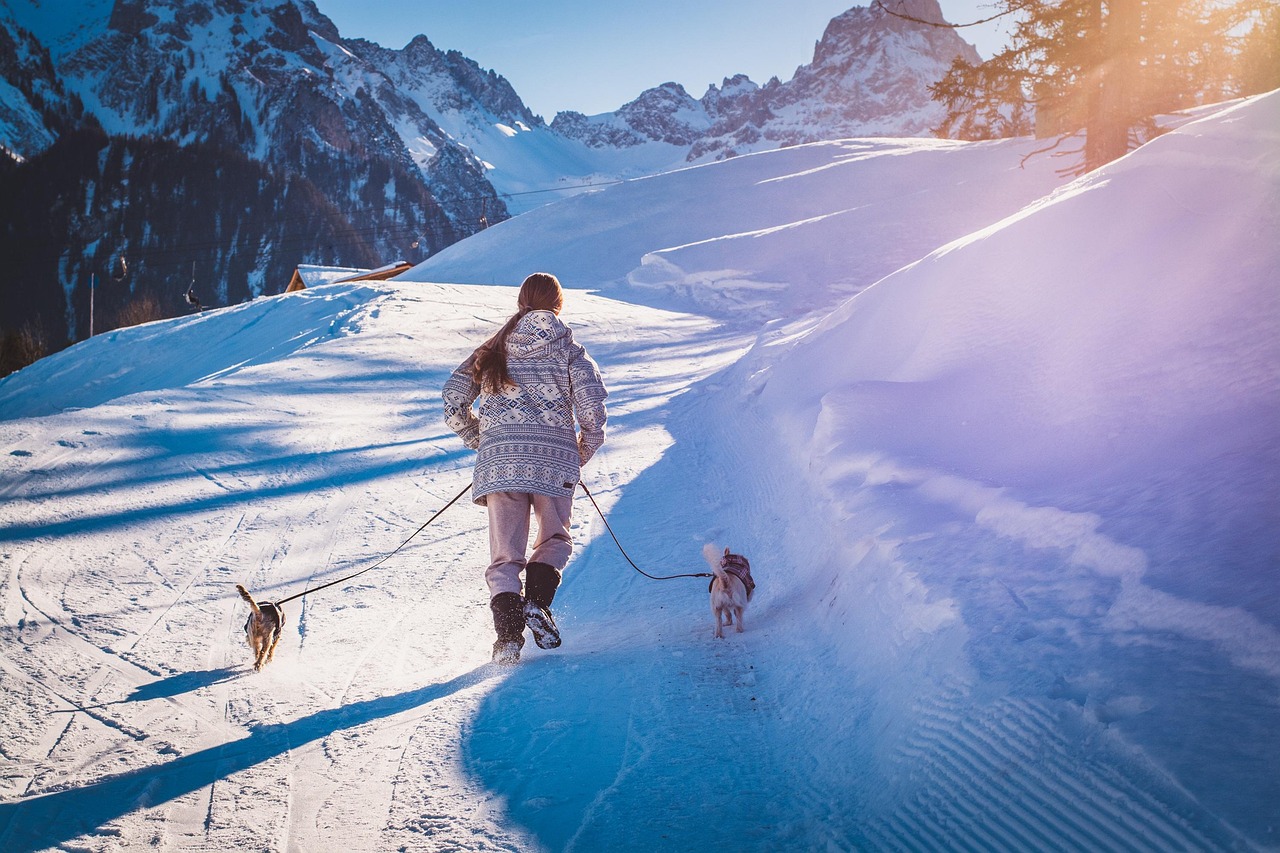
Effortless Leash Techniques for Happy Hounds
In the world of dog ownership, mastering the art of the leash can transform daily walks from stressful tugs-of-war into pleasant and bonding experiences. Leash training is crucial not only for the safety of your dog but also to ensure that walking your dog remains a joy, not a chore. This article explores some easy and effective leash techniques that will help make your walks with your furry friend as happy and calm as they deserve to be.
Understanding the Basics of Leash Training
Before diving into specific techniques, it’s important to grasp the basic concepts behind leash training. Effective leash training can curb unwanted behaviors such as pulling, lunging, and unnecessary barking.
Choosing the Right Leash: Start with the right equipment. A sturdy, comfortable leash approximately 4-6 feet in length offers enough room for slight exploration but keeps your dog close enough for control. Materials can vary from nylon to leather, depending on your dog’s size and strength.
Collar vs. Harness: While traditional collars are common, a harness can provide better control, especially for breeds prone to pulling. Harnesses distribute pressure more evenly around the body rather than just the neck, reducing stress and potential injury.
Techniques to Prevent Pulling
Many dog owners face the issue of their pets pulling on the leash. This can make walking uncomfortable and even dangerous if not addressed properly.
Redirection and Rewards: Whenever your dog begins to pull, gently redirect their attention back to you using a treat or a toy. This technique not just diverts their focus but also reinforces positive behavior.
Stop-and-Go Method: If your dog starts to pull, stop walking. Once your dog looks back or returns to you, reward their good behavior and proceed with the walk. This teaches the dog that pulling will not hasten their progress.
The ‘Be a Tree’ Technique: This involves standing completely still when your dog pulls. Your immobility will signal that pulling will not lead to moving forward. It teaches patience and attentiveness.
Building Focus and Engagement
Developing your dog’s ability to focus on you during walks can greatly enhance the overall experience and prevent distractions that might lead to pulling or reactive behavior.
Use High-Value Treats: Keeping some high-value treats on hand can be a great way to capture your dog’s attention. Use these treats exclusively for walks so they remain special and effective.
Engage with Your Dog: Talk to your dog affectionately and maintain eye contact. This continuous engagement helps keep your dog’s attention on you instead of environmental distractions.
Addressing Anxiety and Overstimulation
Some dogs might pull or behave erratically on a leash due to anxiety or overstimulation by their surroundings.
Gradual Exposure: Gradually expose your dog to various environments, starting from quieter, less crowded areas to busier ones. This helps your dog acclimate without feeling overwhelmed.
Consistent Routine: Dogs benefit tremendously from consistency. Having a regular route or schedule for walks can help reduce anxiety by providing predictability.
Implementing Consistent Reinforcement
Consistency in how you handle the leash and reward behaviors plays a vital role in effective leash training.
Consistent Commands: Use the same, simple commands consistently so as not to confuse your dog. Phrases like “let’s go,” “stop,” or “wait” should be used uniformly.
Regular Training Sessions: Beyond regular walks, dedicate time for focused leash training sessions. This repetition solidifies the behavior and helps your dog understand expectations.
Advanced Techniques for Seasoned Walkers
For the more experienced canine companions, you can introduce advanced training techniques that add variety and challenge to your routine, helping to keep both of you mentally stimulated and physically active.
Heel Command: Train your dog to walk calmly by your side with the ‘heel’ command, reserved for times when you need them very close, such as in crowded spaces.
Obstacle Courses: Set up simple outdoor obstacle courses that require your dog to follow commands closely while navigating different challenges. This is both physically and mentally engaging for the dog.
Conclusion
Effective leash techniques can significantly enhance the walk experience for both you and your dog. By implementing the strategies outlined—like choosing the right equipment, employing non-pulling techniques, building engagement, and fostering consistency—you will foster a supportive walking environment. Remember, patience and consistency are key. With time and practice, walking your dog can become one of the most enjoyable and fulfilling aspects of pet ownership, ensuring your hound is as happy as can be.

