
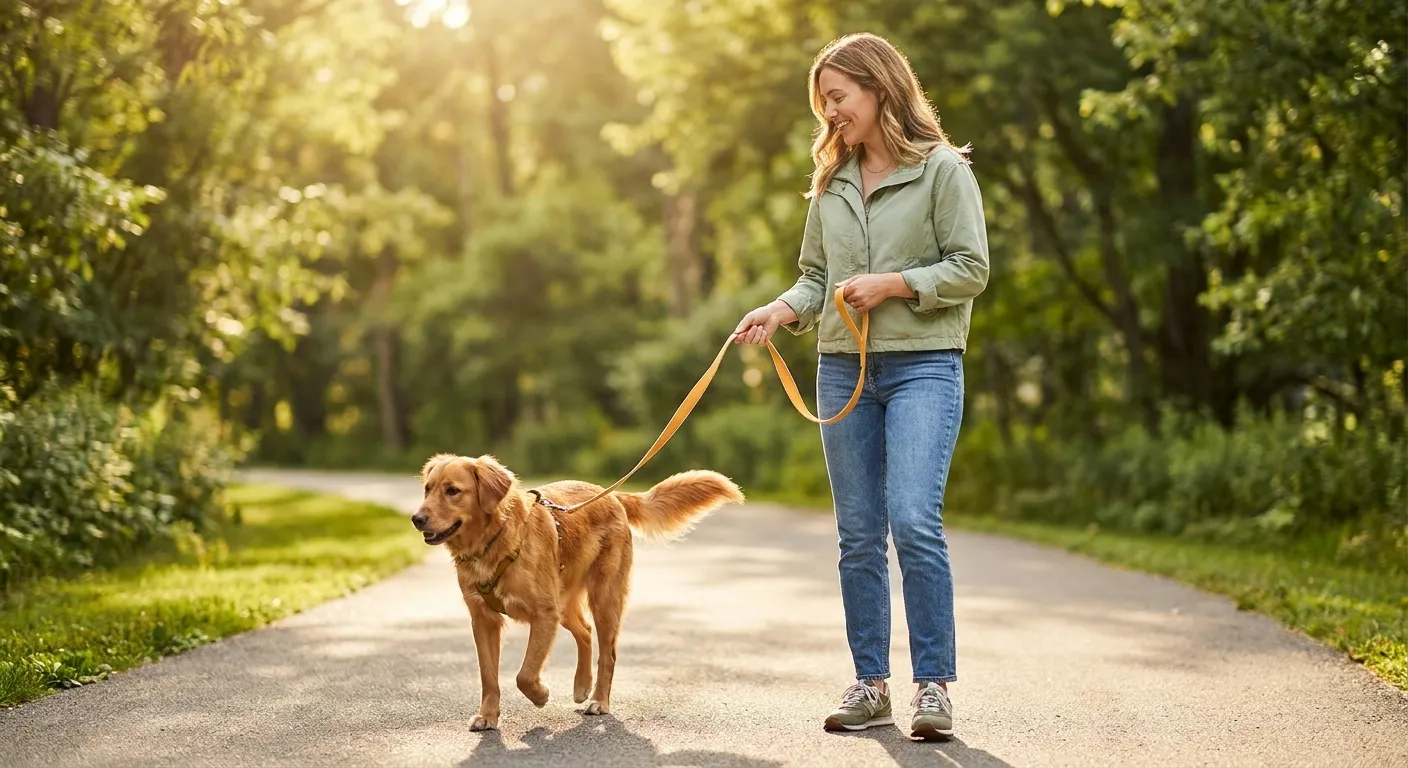
Dreaming of serene walks with your dog calmly by your side, rather than being dragged down the street? Mastering loose leash walking techniques is a foundational skill for any dog owner, transforming walks from a struggle into an enjoyable shared experience. It’s about teaching your dog to walk politely on a leash without pulling, creating a more harmonious partnership and a safer outing for both of you. Ultimately, this skill fosters a deeper bond and makes every adventure together more pleasant. You will find that your dog looks forward to walks even more when they understand what is expected.
Understanding the Principles of Loose Leash Walking
Loose leash walking isn’t just about stopping pulling; it’s about teaching your dog that walking nicely next to you is rewarding. The core principle is positive reinforcement: reward your dog for being in the correct position with a loose leash, and withhold forward movement or attention when the leash tightens. Avoid yanking or correcting, as this can create fear or frustration. Instead, focus on proactive rewards and consistent practice. Your goal is for your dog to choose to walk politely, not to be forced into it. This approach builds trust and makes learning a positive experience for your dog. Furthermore, it strengthens your communication with your furry friend.
Effective Loose Leash Walking Techniques to Practice
Start in a low-distraction environment, like your backyard or a quiet room. With your dog on a leash, take a few steps. The moment your dog walks beside you with a loose leash, mark the behavior (with a verbal marker like ‘yes!’ or a clicker) and immediately reward them with a high-value treat. If your dog pulls, immediately stop walking. Stand still, like a tree, until the leash loosens, then start walking again. This teaches your dog that pulling gets them nowhere. For Ava and Max, practicing these loose leash walking techniques in short, frequent sessions at home, then gradually introducing them to more distracting environments, will build a strong foundation. Consistency is key – every walk is a training opportunity. With patience and positive reinforcement, you’ll soon be enjoying those harmonious strolls you’ve always envisioned. Moreover, remember that short, positive training sessions are more effective than long, frustrating ones.
Building a Strong Foundation: Step-by-Step Training
To truly master walking without pulling, it’s helpful to break down the process into manageable steps. Initially, practice inside your home where distractions are minimal. Hold the leash comfortably, allowing slack. When your dog walks beside you, even for a step or two with a loose leash, mark and reward. Gradually increase the number of steps before rewarding. This helps your dog understand the desired behavior. Next, introduce a cue. A verbal cue like “Let’s Go!” or “Heel” can signal to your dog that it’s time to walk politely. Always pair this cue with the desired action and a reward. Remember, positive associations are paramount for successful training. For additional resources on positive reinforcement, consider exploring reputable dog training organizations like the Association of Professional Dog Trainers.
Addressing Common Challenges in Loose Leash Walking
Many dog owners encounter specific hurdles when teaching their dogs to walk politely. For instance, some dogs get overly excited by sights, sounds, or smells. In these situations, practice the “stop and wait” method diligently. If your dog lunges or pulls towards a distraction, simply stop. Wait until they look at you or the leash slackens, then reward and continue. Another common issue is inconsistent progress. Therefore, it’s vital to maintain consistency across all family members who walk the dog. Everyone should use the same commands and techniques. If your dog is easily distracted, consider using puzzle toys before walks to expend some mental energy, making them more focused during training. Furthermore, understanding your dog’s specific motivations can greatly enhance your training approach.
Choosing the Right Equipment for Loose Leash Walking Techniques
The right gear can significantly support your training efforts. While a standard flat collar is suitable for many dogs, some benefit from specialized equipment. For instance, a front-clip harness can be an excellent tool for dogs who pull persistently. This type of harness redirects your dog’s forward momentum back towards you, making pulling less effective and more uncomfortable for them. Avoid retractable leashes during training, as they teach dogs that pulling extends their range. A fixed-length leash, ideally 4-6 feet long, provides better control and clearer communication. Furthermore, ensure your dog is comfortable in their harness or collar; an ill-fitting one can cause discomfort and hinder progress. You might also consider an ID tag and GPS tracker for added peace of mind during your walks.
When to Seek Professional Help
While these loose leash walking techniques are highly effective, some dogs may require extra support. If you’re consistently struggling, or if your dog exhibits reactive behaviors like barking or lunging at other dogs or people, consider consulting a certified professional dog trainer or a veterinary behaviorist. These experts can provide personalized guidance, identify underlying issues, and develop a tailored training plan. Seeking professional help is a sign of a committed and responsible pet owner, ensuring your dog receives the best possible support. Moreover, early intervention can prevent minor issues from escalating into more significant behavioral challenges. You can find accredited professionals through organizations like the American College of Veterinary Behaviorists.
Maintaining Progress and Enjoying Your Walks
Once your dog has a good grasp of polite leash walking, the journey continues! Regularly reinforce the good behavior with praise and treats, especially in new or more distracting environments. Vary your walking routes to keep things interesting for your dog and provide new opportunities to practice their skills. Celebrate small victories and remember that training is an ongoing process that strengthens your bond. Enjoying harmonious strolls with your dog is a deeply rewarding experience, reflecting the effort and love you’ve invested. These loose leash walking techniques will become second nature to both of you, making every outing a joy. Remember to keep training sessions fun and engaging, reinforcing the positive connection you share. Consistency in applying these loose leash walking techniques will yield lasting results. Your dedication will truly pay off, creating countless happy memories on your walks. We often share more insights and tips on our blog.
Advanced Tips for Polished Loose Leash Walking
For those who have mastered the basics of loose leash walking, there are always ways to refine your dog’s skills further. Consider introducing different paces – slow, normal, and brisk – and rewarding your dog for maintaining a loose leash at each speed. Practice turns and changes of direction, encouraging your dog to adjust their position proactively. You can also work on ‘auto-sits’ when you stop, where your dog automatically sits by your side whenever you halt. This adds another layer of politeness and control. Furthermore, gradually introduce more complex environments, such as busy parks or downtown areas, always starting with short, successful sessions and building up gradually. These advanced loose leash walking techniques help create a truly polished walking companion. Always end your training on a positive note, even if it’s just for a few steps of perfect walking.
Ultimately, the goal is to have a dog who confidently and happily walks beside you, enjoying the world together without tension on the leash. It is a testament to your patience and positive reinforcement. By consistently applying these loose leash walking techniques, you are not just training a behavior; you are nurturing a partnership built on trust and mutual respect. Every walk becomes an opportunity for connection and shared exploration. So, grab your leash, a pocket full of treats, and embark on the rewarding journey of mastering loose leash walking with your beloved companion. You’ve got this!
FAQ
What is the best way to start teaching a puppy to walk on a lead?
Begin by making the leash and collar a positive experience. Let your puppy wear them for short periods inside, associating them with treats and play. Then, practice walking just a few steps in a quiet area, rewarding any moment the leash is relaxed. Keep sessions short, fun, and positive.
How long does it typically take to train a dog to walk politely?
The time it takes varies greatly depending on the dog’s age, breed, temperament, and your consistency. Some dogs pick it up quickly, while others may take several weeks or even months of dedicated practice. Patience and consistent positive reinforcement are far more important than speed.
Can I use a harness to help with lead training?
Yes, a front-clip harness can be a very effective tool for dogs who pull. It redirects their momentum back towards you, making it less effective for them to pull forward. Ensure the harness fits properly and is comfortable for your dog.
What should I do if my dog gets distracted and pulls towards something?
If your dog pulls towards a distraction, immediately stop walking. Become a ‘tree’ and stand still until the leash slackens and your dog looks at you. Then, reward them and continue walking. This teaches them that pulling stops forward progress. You may also try a quick, cheerful U-turn to redirect their focus.
Are there any specific treats that work best for training polite walking?
High-value treats are most effective, especially in distracting environments. These are treats your dog absolutely loves, such as small pieces of cooked chicken, cheese, or specialized training treats. Experiment to find what motivates your dog the most. Small, soft treats are often best as they can be consumed quickly.

