
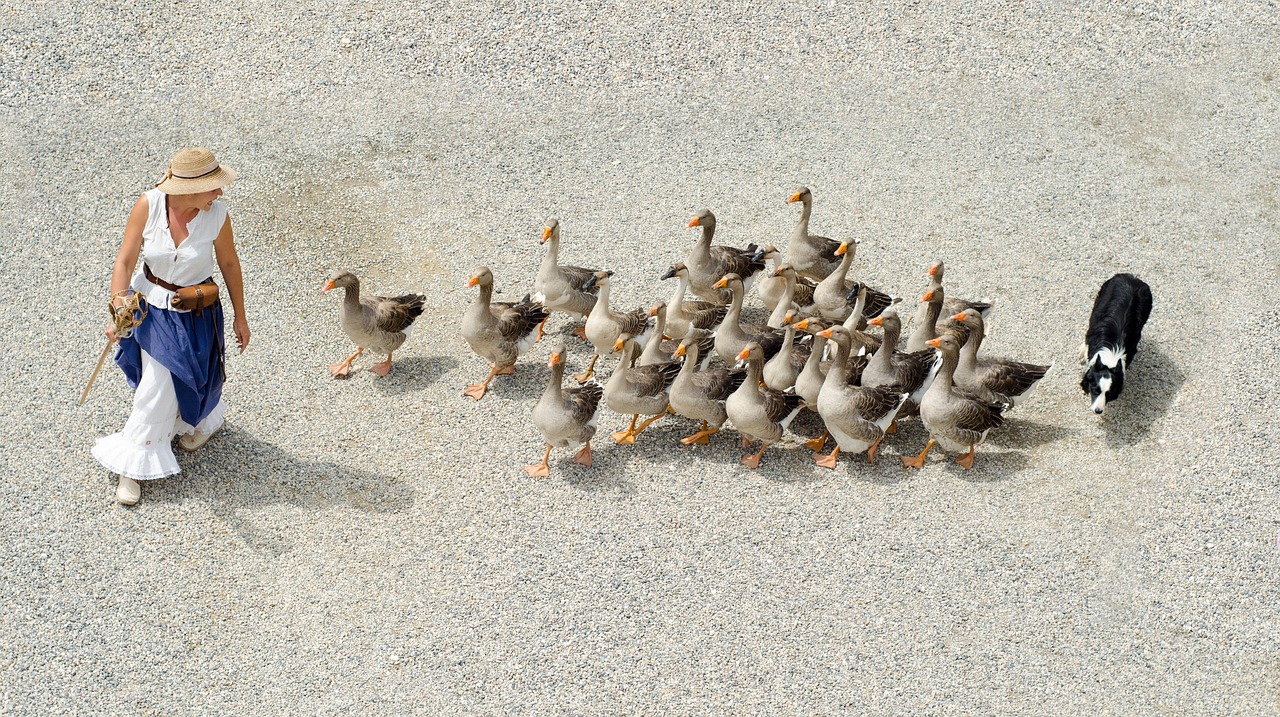
Mastering Dog Walking: Essential Techniques
Dog walking isn’t just a routine activity; it’s an essential part of your furry friend’s physical and mental health. In this comprehensive guide, we delve into the essential techniques that will not only make dog walking enjoyable but effective. Whether you’re a new pet owner or an experienced dog walker, you’ll find valuable insights and tips to enhance your dog walking experience.
Understanding the Basics of Dog Walking
Before diving into advanced techniques, it’s crucial to grasp the fundamentals of dog walking. This involves understanding your dog’s physical capabilities, behaviors, and learning the basic commands necessary for a controlled and enjoyable walk. Whether you’re walking a small dog or a large breed, mastering these basics lays the foundation for more advanced dog walking techniques.
Choosing the Right Gear
Selecting the appropriate walking gear is critical for the safety and comfort of both you and your dog. This includes a suitable leash, collar, or harness that matches your dog’s size and strength. Reflective leashes and collars enhance visibility during early morning or late evening walks. For more control or to manage pulling, consider a front-clip harness or a head halter.
Training for Obedience and Control
Basic commands like ‘sit’, ‘stay’, ‘come’, and ‘heel’ are foundational in dog walking. Training your dog to respond reliably to these commands can drastically improve your walking experience, making it safer and more enjoyable. Regular training sessions, both at home and during walks, reinforce your dog’s obedience and your control.
Advanced Dog Walking Techniques
With the basics in hand, you can enhance your dog walking skills by incorporating more sophisticated techniques that address specific challenges and goals. These tactics not only improve physical exercise but also mental stimulation for your dog.
Dealing with Pulling
Pulling is a common issue that can make dog walking less enjoyable and more of a chore. To prevent pulling, maintain a firm, but gentle control of the leash and keep your dog beside or behind you. Use a short leash to manage space effectively. Rewarding your dog for maintaining the right position reinforces good behavior and gradually reduces pulling.
Incorporating Training into Walks
Integrating training sessions into your walks enhances mental stimulation and obedience. Practice commands and tricks, incorporating short training bursts during walks to keep your dog engaged and focused. This not only makes walks more interactive but also reinforces learning in different environments.
Managing Distractions
Dogs naturally react to their surroundings which may include other animals, people, or vehicles. Managing these distractions efficiently requires a calm and assertive approach. Teach your dog to focus on you with commands like ‘look’ or ‘focus’. Reward calm behavior and gradually introduce environments with more distractions to build your dog’s focus.
Health and Safety Tips for Dog Walking
Dog walking is not without its risks; understanding how to navigate these ensures a safe outing for both you and your pet.
Environmental Awareness
Always be aware of the weather and terrain on your walks. Hot pavement can injure your dog’s paws, while icy paths can pose slipping hazards. Gradually acclimate your dog to different weather conditions and choose appropriate times of the day to avoid extreme weather.
Regular Checkups
Regular veterinary checkups help identify any underlying health issues that might affect your dog’s walking routine. Discuss with your vet about the appropriate amount of exercise for your dog’s age, breed, and health condition.
Meeting Social Needs
Dog walking is also a crucial element of your dog’s socialization. Properly introducing your dog to new peers and environments can boost their confidence and social skills.
Socializing with Other Dogs
Introduce your dog to other dogs gradually and in a controlled manner. Utilize dog parks where social interaction can be done safely. Monitoring body language and behavior during these interactions is essential for preventing aggression or fear.
In Conclusion
Mastering dog walking is beneficial for both you and your pet, providing physical exercise, mental stimulation, and improved bonding. By addressing common challenges such as pulling and distractions, enhancing your gear selection, and prioritizing your dog’s health and safety, you can turn each walk into a rewarding experience. Remember to keep sessions enjoyable and positive, as the attitude you bring affects your dog’s perception of walking. Happy walking!
For more pet care tips, continue exploring our site or contact local dog walking professionals. Let’s keep our furry companions healthy and joyful one step at a time!

