
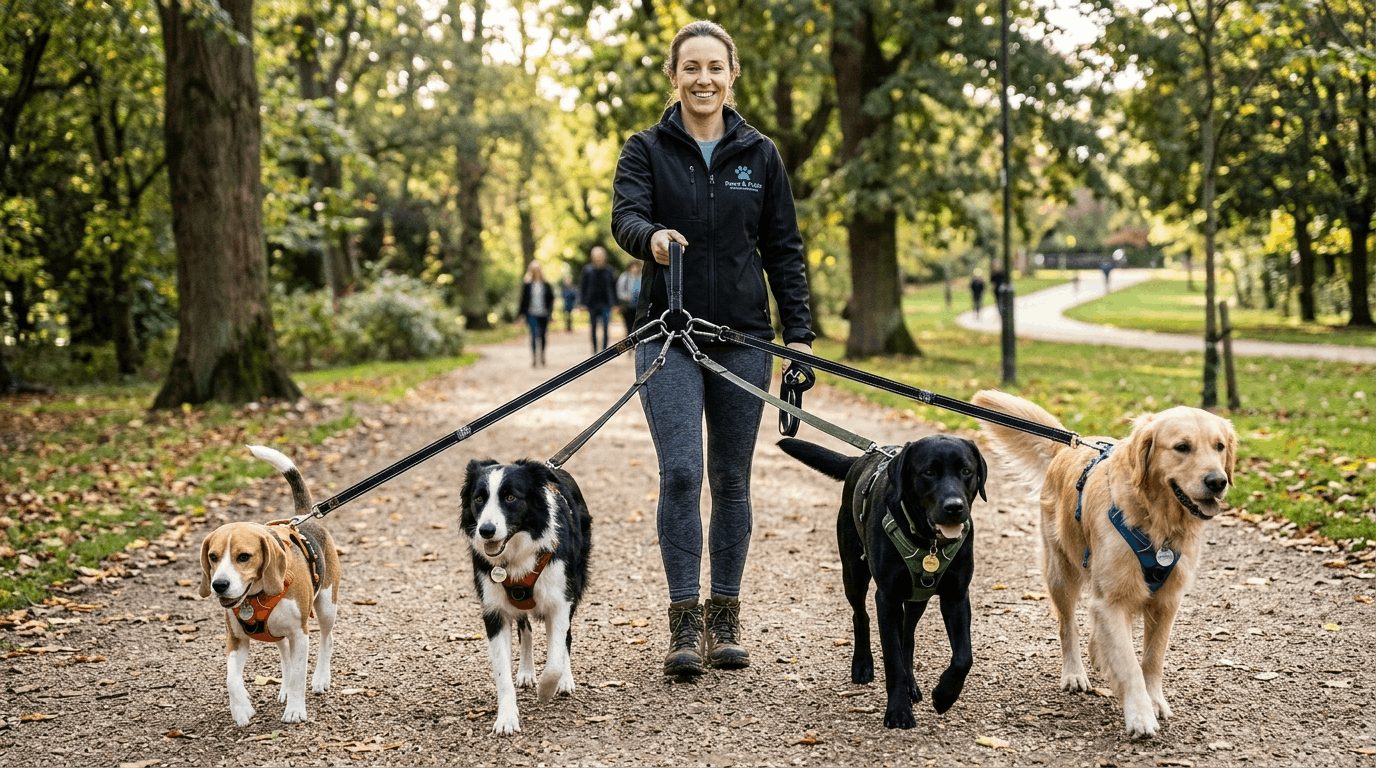
Walking more than one dog at the same time can feel like a juggling act, especially when each dog has its own personality and pace. A well-planned multiple dog leash setup can make a huge difference, turning chaotic outings into smooth and controlled walks. While it may seem complicated at first, the right combination of tools, positioning, and technique can simplify everything. Once your setup works for you, walking multiple dogs becomes less about managing chaos and more about enjoying the experience.
Many owners struggle because they rely on basic leashes without considering how different dogs interact. As a result, leashes tangle, dogs pull in opposite directions, and the handler absorbs all the strain. However, a thoughtful multiple dog leash setup helps distribute movement more evenly and keeps everything organized. This creates a calmer environment where both you and your dogs can move together with less effort.
Why A Proper Setup Matters More Than You Think
A good walking system does more than prevent tangles. It improves control, reduces physical strain, and helps dogs understand their role during the walk. Without a proper multiple dog leash setup, even well-trained dogs can become difficult to manage simply because the structure is missing.
When leashes cross or tighten unevenly, your posture changes. You may twist your body or grip harder, which increases fatigue. Over time, this can lead to discomfort or even injury. Therefore, creating balance in your setup is essential not just for control, but also for your own well-being.
In addition, dogs respond better when the environment feels predictable. A consistent multiple dog leash setup provides that structure. Each dog learns where to walk and how to move, which reduces confusion and improves behavior naturally.
Choosing The Right Type Of Leash System
There are several types of leash systems designed specifically for walking multiple dogs. Selecting the right one depends on your dogs’ size, behavior, and energy levels. A simple dual leash coupler is one of the most common options. It allows you to connect two dogs to a single handle while keeping them side by side.
This type of multiple dog leash setup works best for dogs with similar walking styles. When both dogs move at a steady pace, the coupler keeps them aligned and reduces pulling. However, if one dog is more energetic, you may need additional control tools.
Another option is using separate leashes in each hand. While this requires more coordination, it offers greater flexibility. You can adjust each leash independently, which is helpful if your dogs have different behaviors. With practice, this multiple dog leash setup gives you precise control without sacrificing balance.
Hands-free leash systems are also worth considering. These attach around your waist and distribute force through your core instead of your arms. As a result, they reduce strain and allow more natural movement. For many owners, this approach makes walking multiple dogs feel easier and more comfortable.
Harnesses Versus Collars For Better Control
The type of gear attached to the leash plays a significant role in your overall setup. Harnesses are often the preferred choice for a multiple dog leash setup because they distribute pressure evenly across the body. This reduces strain on the neck and provides better control during movement.
Front-clip harnesses are especially effective. They gently redirect dogs when they pull, making it easier to guide them without force. This feature is particularly useful when managing more than one dog at a time.
Collars, on the other hand, offer less control and can increase strain if dogs pull. While they may work for well-trained dogs, they are not always ideal for a multiple dog leash setup. Therefore, choosing the right equipment helps create a safer and more balanced walking experience.
Comfort is also important. Ill-fitting gear can cause discomfort, which may lead to resistance or unpredictable behavior. By ensuring proper fit, you improve both control and your dogs’ overall comfort.
Positioning Your Dogs For Better Balance
Where your dogs walk in relation to you matters just as much as the equipment you use. A consistent walking position creates structure and reduces confusion. In an effective multiple dog leash setup, each dog has a designated side or position.
For example, you may place one dog on your left and the other on your right. This keeps them separated and reduces the chances of tangling. If both dogs walk on the same side, make sure they stay aligned rather than crossing paths.
Consistency is key. When dogs know where they belong, they are less likely to wander or pull unpredictably. Over time, this positioning becomes a habit that supports smoother walks.
In addition, consider pairing dogs based on compatibility. Dogs with similar energy levels tend to move more naturally together. This makes your multiple dog leash setup more effective and easier to manage.
Managing Movement And Preventing Tangles
Even with the best setup, movement needs to be managed carefully. Sudden changes in direction can lead to tangled leashes and loss of control. Therefore, smooth and intentional movement is essential.
Keep your pace steady and avoid rushing. When you move consistently, your dogs are more likely to follow your lead. If a dog begins to pull or drift, adjust your direction gently instead of reacting with force. This keeps the setup balanced and prevents tension from building.
Additionally, stay aware of your surroundings. Anticipating distractions allows you to prepare before your dogs react. For instance, if you see another dog approaching, create space or adjust your position early. This proactive approach helps maintain a clean and organized multiple dog leash setup.
Regularly check your leashes during the walk. If you notice slight tangling, correct it immediately before it becomes a bigger issue. Small adjustments make a big difference over time.
Training Supports The Setup
Even the best equipment will not work without proper training. A successful multiple dog leash setup depends on your dogs understanding how to walk calmly. Training each dog individually before combining them is one of the most effective strategies.
Teach basic leash manners first. Each dog should learn to walk without pulling and respond to simple commands. Once these skills are consistent, introduce them to walking together. This step-by-step approach reduces confusion and improves cooperation.
During walks, reinforce good behavior with praise or rewards. When your dogs stay in position and move calmly, acknowledge it. This encourages them to repeat the behavior.
If issues arise, address them early. Ignoring small problems can lead to bigger challenges. By combining training with a strong multiple dog leash setup, you create a system that works consistently.
Reducing Physical Strain While Walking
Walking multiple dogs can be physically demanding, especially if they pull or move unpredictably. However, the right setup can significantly reduce strain on your body. A well-balanced multiple dog leash setup distributes force evenly and allows you to maintain proper posture.
Keep your arms relaxed and your shoulders loose. Avoid gripping the leash too tightly, as this creates tension. Instead, use your body position to guide movement. This reduces pressure on your joints and improves overall comfort.
Using tools like shock-absorbing leashes or waist attachments can also help. These features reduce the impact of sudden pulls and make the walk feel smoother. Over time, these adjustments protect your body and make walking more enjoyable.
Listening to your limits is equally important. If you feel strain, take breaks or adjust your routine. By prioritizing comfort, you ensure that your multiple dog leash setup remains sustainable.
Conclusion
A well-designed multiple dog leash setup transforms the way you walk your dogs. Instead of struggling with tangled leashes and constant pulling, you gain control, balance, and confidence. By choosing the right equipment, positioning your dogs effectively, and combining everything with consistent training, you create a system that works for both you and your dogs.
While it may take time to find the perfect setup, the effort is worth it. Walks become smoother, your body feels less strain, and your dogs behave more predictably. In the end, a thoughtful multiple dog leash setup turns what once felt overwhelming into a calm and enjoyable routine.
FAQ
- What is the easiest way to walk two dogs at once?
Using a coupler or separate leashes with proper positioning can make walking two dogs much easier and more controlled. - Should I use a harness for each dog?
Yes, harnesses often provide better control and reduce strain, especially when managing multiple dogs. - How do I prevent leashes from tangling?
Keep dogs in consistent positions and make smooth direction changes to reduce crossing and tangling. - Can I walk dogs with different energy levels together?
It is possible, but it may require extra training and adjustments to maintain balance and control. - Are hands-free leashes a good option?
Yes, they can reduce arm strain and improve comfort, especially for longer walks with multiple dogs.

