
Optimal Daily Walk Lengths for Dogs: Ensuring a Healthy, Happy Pet
Finding the ideal walking duration for your dog isn’t just beneficial for their physical health but also crucial for their mental well-being. In this comprehensive guide, we’ll delve into how to determine the optimal daily walk lengths for dogs, while considering various factors such as breed, age, and health status. Read on to discover how to keep your furry friend happy and healthy through the perfect routine of exercise.
Understanding the Importance of Dog Walks
Regular walks are essential for dogs, not only to help maintain a healthy weight but also to ensure proper mental stimulation and socialization. Walks help prevent behavior problems caused by excess energy and boredom. The right amount of daily walking helps to build a strong bond between pets and owners, which is integral to a thriving pet-owner relationship.
Physical Health Benefits
Walking aids in controlling a dog’s weight, enhances cardiovascular health, and boosts muscle health. It is also key in preventing joint issues such as arthritis, especially in older dogs. Regular activity can significantly enhance the longevity and quality of life of your canine companion.
Mental Health and Behavioral Gains
Mentally, dogs benefit tremendously from the smells, sights, and sounds encountered during walks. These stimulate their brain, preventing depression and anxiety. Behavioral issues, which often stem from a lack of sufficient physical and mental activity, are mitigated through consistent walking routines.
Factors Influencing Walk Length
Not all dogs have the same needs when it comes to physical activity, and walking your dog too little or too much can have adverse effects. Here are critical factors to consider when planning your walk schedule:
Breed and Size Considerations
Certain breeds require more exercise than others. For instance, high-energy breeds such as Border Collies and Australian Shepherds need more exercise than more sedentary breeds like the Bulldog or Basset Hound. Large breeds typically need longer walks to maintain health, while smaller dogs may tire more easily.
Age
Puppies, being highly energetic, might need short but frequent walks to burn off their energy without overexerting their developing bodies. Senior dogs, on the other hand, benefit from gentler, slower-paced walks that keep them mobile without straining their old bones and joints.
Health Status
Always take into account the health of your dog. Dogs with health issues like heart disease, obesity, or joint problems might require specialized walking plans tailored to their capabilities and needs. Always consult with a veterinarian to tailor a suitable exercise routine that won’t compromise your pet’s health.
Recommended Walk Lengths by Dog Type
For a practical approach, here are some generalized guidelines based on typical dog profiles:
Small and Toy Breeds
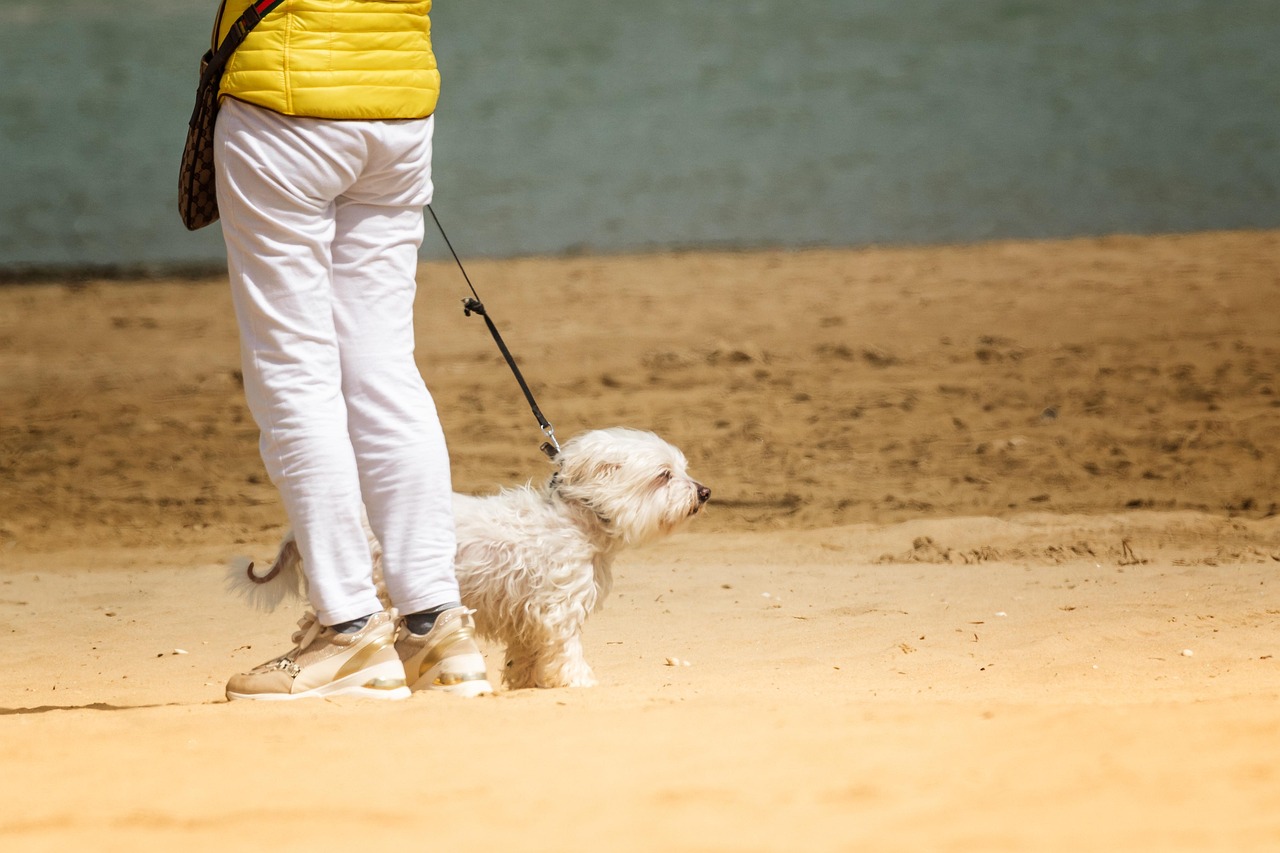
For these petite pooches, a 15 to 20-minute walk, two or three times a day, is usually sufficient. This can keep them fit without overwhelming their tiny frames.
Medium Breeds
Medium-sized dogs generally thrive on two walks per day, averaging 20-30 minutes each. This ensures they get enough exercise to burn energy and stay healthy without overexertion.
Large Breeds
More robust and expansive dogs often require at least 30 minutes to one hour of walking daily. This time can be divided into shorter sessions to suit the dog’s endurance and weather conditions.
Working and Herding Breeds
High-energy dogs need extensive exercise regimes that might include multiple long walks coupled with play sessions throughout the day to satisfy their activity requirements.
Tips for an Effective Walking Routine
Here are a few tips to make your walking routine as effective as possible:
Vary the Routes
Changing your walking routes not only prevents boredom but also provides novel sensory experiences that are great for your dog’s cognitive function.
Use the Right Gear
Make sure you have the right gear, such as a comfortable, fitted harness and a suitable leash. Comfort enhances the walking experience for both you and your pet.
Monitor Your Dog’s Condition
Pay close attention to your dog’s reactions during walks. Signs of fatigue, such as heavy panting or slowing down, mean it’s time to head home.
Conclusion
Determining the perfect walk length for your dog depends on a variety of factors, including breed, size, age, and health. By considering these elements and tailoring each walk to meet your dog’s needs, you ensure their health, happiness, and longevity. Remember, regular consultation with a vet is paramount to addressing any arising health concerns and adjusting the exercise routine as necessary to keep your beloved pet in top condition.
Engaging in a well-planned walking routine is not just a responsibility but a joyous part of owning a dog—beneficial for both the pet’s and your own health and well-being.

