
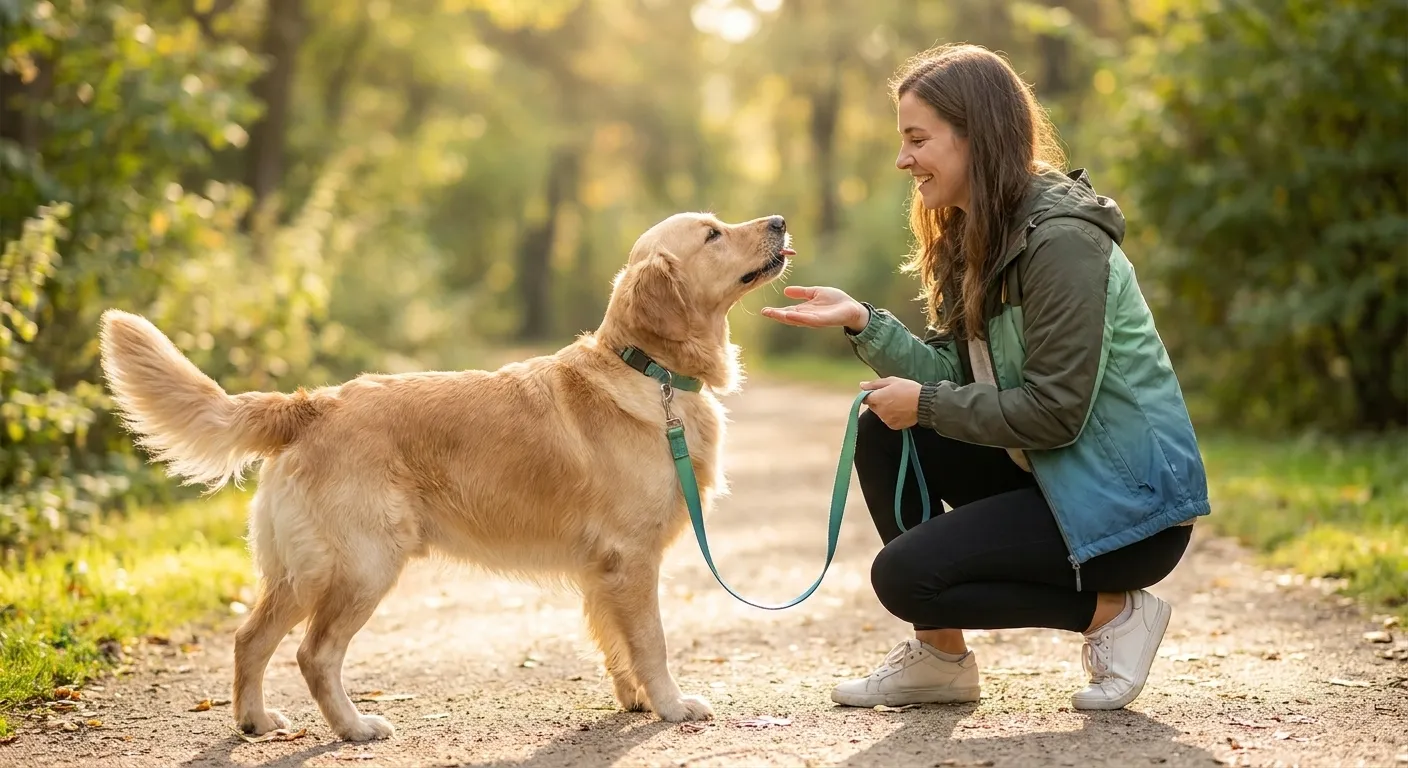
For modern dog owners like Ava, who values effective and engaging training solutions for Max, the concept of positive reinforcement dog walking isn’t just a buzzword – it’s the cornerstone of a joyful and cooperative relationship. Gone are the days of harsh corrections; today, we understand that empowering our dogs through positive experiences yields far greater and longer-lasting results. This approach transforms walks from potential struggles into enriching, bonding adventures. Indeed, it fosters a deeper connection between you and your canine companion.
At Expert Dog Walking Tips, we are dedicated to helping you achieve joyful training outcomes. This article delves into the science and practical benefits of positive reinforcement in the context of dog walking, demonstrating why it’s the most effective and humane method for building a well-behaved walking companion. We’ll explore how celebrating progress and rewarding desired behaviors creates a dog who wants to walk nicely with you, rather than being forced. Furthermore, we’ll share actionable tips to get you started.
The Science Behind Positive Reinforcement
Positive reinforcement is a scientifically proven method where a desirable consequence (like a treat, praise, or a favorite toy) is added after a behavior, making that behavior more likely to occur again. It’s about teaching your dog what to do, rather than punishing them for what you don’t want them to do. This distinction is crucial for building trust and confidence.
This method aligns perfectly with our understanding of canine cognition and welfare. Dogs are intelligent, sentient beings, and they thrive on clear communication and positive associations. When they learn that walking politely earns them rewards, they actively choose to offer that behavior. Consequently, this creates a dog who is engaged, confident, and eager to learn, rather than fearful or confused. You’ll notice a significant difference in their enthusiasm for walks.
Modern pet tech trends heavily support this. AI-powered training apps like Dogo and Pupford Academy are built entirely on positive reinforcement principles. They provide structured lessons, video demonstrations, and even feedback mechanisms that encourage owners to reward good behavior consistently and effectively, making positive reinforcement dog walking more accessible than ever. For more innovative solutions, consider exploring various interactive toys that can also reinforce positive behaviors at home.
Building a Positive Walking Foundation
Implementing positive reinforcement on your walks starts with a few key principles:
- Identify Desired Behaviors: What does a “perfect walk” look like to you? For most, it’s a loose leash, walking calmly beside you, checking in, and ignoring distractions. Break these down into small, achievable steps. For example, initially, simply walking a few steps without pulling is a great success.
- Timing is Everything: The reward must be delivered immediately (within 1-2 seconds) after the desired behavior occurs. This helps your dog connect their action directly with the positive outcome. Using a clicker can be incredibly effective here, as it marks the exact moment of success.
- High-Value Rewards: Especially in distracting outdoor environments, use treats your dog absolutely loves. Think small pieces of cooked chicken, cheese, or specialized training treats. The higher the value, the stronger the motivation.
- Consistency: Everyone in the household should use the same commands and reward system. This prevents confusion and speeds up learning. Consistency is truly key to your dog’s understanding.
By focusing on these elements, you lay a strong foundation for successful walks. Remember, every step of progress, no matter how small, is worth celebrating. This approach builds a positive association with walking, making it a much more enjoyable experience for both of you.
Why Positive Reinforcement Training Excels
There are numerous compelling reasons why a positive approach to dog walking surpasses traditional, coercive methods. First and foremost, it strengthens the bond between you and your dog. When your dog sees you as a source of good things and pleasant experiences, their trust in you deepens. This fosters a relationship built on mutual respect and understanding, rather than fear or intimidation. You become a partner, not just a commander.
Secondly, it promotes genuine learning and long-term behavior change. Dogs trained with positive reinforcement are not just suppressing unwanted behaviors out of fear; they are actively learning and choosing desired behaviors because they are rewarding. This results in a more reliable and enthusiastic walking companion. Furthermore, positive experiences make your dog more resilient and less prone to anxiety in new situations.
Consider the psychological impact. A dog who experiences frequent corrections or punishment during walks may become fearful, anxious, or even reactive. Conversely, a dog who is consistently rewarded for good behavior becomes confident, happy, and eager to engage. This mental well-being is paramount for a fulfilling life together. For instance, a dog who learns that staying calm around other dogs earns treats will be far less likely to bark or lunge. This is the essence of effective positive reinforcement dog walking.
Practical Tips for Your Daily Walks
Embarking on your positive dog walking journey is exciting! Here are some practical tips to help you and your furry friend succeed:
- Start Simple: Begin training in a low-distraction environment, like your backyard or a quiet street. Gradually introduce more distractions as your dog masters the basics. This progressive exposure is vital for success.
- Short, Frequent Sessions: Rather than one long, overwhelming training walk, opt for several shorter sessions throughout the day. Dogs learn best in brief, focused bursts.
- Capture Good Behavior: Don’t wait for your dog to perform a perfect heel. Reward any instance of loose-leash walking, even if it’s just for a few steps. This is called

