
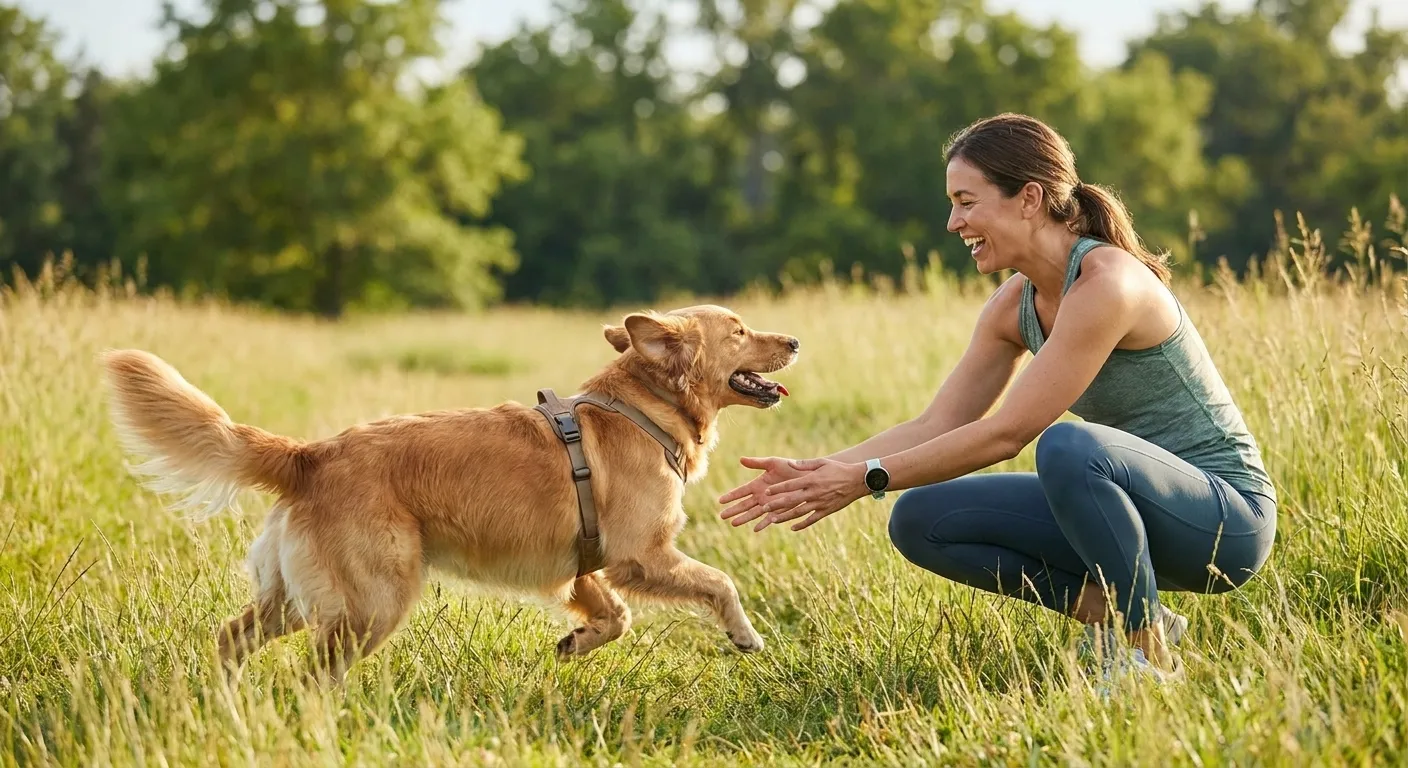
For many dog owners, the vision of their furry companion confidently exploring an open field, then joyfully returning at a single call, is the pinnacle of dog ownership. Achieving a reliable off-leash recall is the dream, offering both freedom and safety for your adventurous companion. It’s about building trust, communication, and a bond so strong that your dog chooses to come back to you, even amidst exciting distractions.
At Expert Dog Walking Tips, we understand this aspiration, especially for tech-savvy owners like Ava who want Max to enjoy every outing to the fullest. We believe in empowering you with science-backed, positive reinforcement techniques that make training not just effective, but joyful. Let’s explore how to build that rock-solid recall, transforming your walks and opening up a world of adventure.
Why a Strong Recall Matters More Than Ever
In our increasingly busy world, ensuring your dog’s safety is paramount. A strong recall means you can confidently navigate dog parks, hiking trails, and even unexpected encounters. It’s an essential life skill that protects your dog from hazards like traffic, aggressive animals, or getting lost. This isn’t just about obedience; it’s about a deep, relationship-based understanding where your dog trusts your guidance above all else.
Modern dog training, as we see in 2025-2026 trends, emphasizes positive, reward-based techniques as the gold standard. This approach fosters a stronger bond and more reliable behavior long-term. Instead of forcing compliance, we motivate cooperation, which is key for such a crucial command. Moreover, understanding your dog’s motivation is fundamental to success.
Foundations First: Building Desire to Return
Before you even think about off-leash, establish a powerful desire for your dog to come to you on a leash in a low-distraction environment. This means making yourself the most exciting thing around! Use high-value treats (think cooked chicken, cheese, or hot dogs), enthusiastic praise, and playful body language. Remember, consistency is your best friend when teaching your dog to return.
- The “Party Here!” Game: Start indoors. Call your dog’s name excitedly, say “Come!”, and immediately reward them with a jackpot of treats and praise when they reach you. Make it a celebration every single time.
- Practice in Different Rooms: Gradually introduce new, slightly more distracting environments within your home. Consistency is key.
- Use a Long Line: Once your dog is consistently recalling indoors, move to a fenced yard or quiet park with a long line (15-30 feet). This gives them the illusion of freedom while you maintain control. If they don’t come, gently reel them in, praise, and reward. Never use the long line as punishment. Furthermore, a long line provides a safety net during early training stages.
Gradually Introducing Distractions & Distance for a Reliable Off-Leash Recall
This is where many owners rush, leading to frustration. Patience is your ally. Remember, around 42% of new apps launched in 2025 integrated AI-based personalized training and real-time progress tracking, which can be invaluable here. Apps like Pawsitive Reinforcement or K9 Coach can help you track progress and identify areas for improvement. Consequently, these tools can make the process more efficient and engaging.
Start with minimal distractions. For example, practice in your yard with a friend quietly sitting nearby. As your dog’s response improves, gradually increase the level of distraction. Perhaps try a quiet park with a few people in the distance. Over time, you can introduce other dogs or children at a distance. Always set your dog up for success; if they fail, you’ve moved too fast. Therefore, slow and steady wins the race.
Distance also plays a role. Begin with short distances, just a few feet away, and slowly extend how far your dog is from you before you call. Always maintain a positive, upbeat tone. Your goal is to make coming back to you the most rewarding choice your dog can make. In fact, a strong return is built on a history of positive experiences.
The Power of Consistency and High-Value Rewards
Consistency is not just about regular practice; it’s about making every recall a positive experience. Every time your dog comes when called, they should be met with enthusiasm and a reward they genuinely value. For instance, if your dog loves squeaky toys, a quick game of fetch after they return can be an excellent reward. Similarly, a favorite treat can be incredibly motivating.
Many owners make the mistake of only calling their dog when it’s time to leave the park or end a fun activity. This can inadvertently teach your dog that coming to you means the fun stops. Instead, call your dog frequently during playtime, reward them, and then immediately release them to continue playing. This teaches them that coming to you doesn’t always mean the end of fun; sometimes, it means more fun. This technique is vital for building a truly strong recall.
Furthermore, vary your rewards. Sometimes it’s a treat, sometimes a toy, sometimes enthusiastic praise and petting. This keeps your dog engaged and guessing, making the reward system more exciting. You can also explore different types of interactive toys to use as rewards, which can be highly motivating for many dogs.
Proofing Your Recall: Real-World Scenarios
Once your dog has a solid foundation, it’s time to “proof” their return in various real-world scenarios. This means practicing in different locations, at different times of day, and around different types of distractions. Think about places you regularly visit, like a local park, a hiking trail, or even a friend’s backyard. Consequently, your dog will learn that the command applies everywhere.
Consider these scenarios for advanced training:
- Busy Parks: Practice with other dogs and people around, initially on a long line.
- New Environments: Visit unfamiliar places where there are new smells and sights.
- Unexpected Sounds: Practice when a car drives by or a child yells.
- Weather Conditions: Try practicing in light rain or wind, if safe and comfortable for your dog.
Remember, always start with a high chance of success. If your dog struggles, reduce the distraction level and build back up. The goal is to reinforce the positive association with coming to you, no matter the environment. After all, a truly reliable off-leash recall performs under pressure.
Troubleshooting Common Recall Challenges
Even with the best intentions, you might encounter bumps on the road to a solid off-leash return. Here are some common challenges and how to address them:
- My dog ignores me when distracted: This often means you’ve progressed too quickly. Go back to a less distracting environment. Make your rewards even higher value. Practice closer to your dog.
- My dog runs away when I call: This could indicate your dog associates the recall with something unpleasant (e.g., going home, getting a bath). Re-establish the “Party Here!” game, and only call them when you can guarantee a positive outcome. Never punish your dog for eventually coming to you, even if it took a while.
- My dog comes, but slowly: Increase the excitement in your voice and body language. Make the reward immediate and incredibly exciting. A slow return can still be improved with consistent, high-energy reinforcement.
If you’re finding it particularly challenging, don’t hesitate to seek guidance from a certified professional dog trainer. They can offer personalized advice and help you identify specific triggers or training gaps. You can find more resources on positive reinforcement techniques on the Association of Professional Dog Trainers website.
Safety First: Essential Gear for Off-Leash Adventures
While working towards a reliable off-leash recall, always prioritize your dog’s safety. Even with a perfect recall, unexpected situations can arise. Consider these essential items:
- ID Tags & GPS Trackers: Essential for any dog, especially those venturing off-leash. A GPS tracker provides peace of mind.
- Long Lines: As mentioned, these are invaluable training tools for practicing in open spaces while maintaining control.
- Safety Vests: For visibility, especially during dawn, dusk, or hunting seasons. Find great options among safety vests.
- Appropriate Collar/Harness: Ensure it’s comfortable and secure.
Always check local regulations regarding off-leash areas. Not all parks or trails permit dogs to be off-leash, and respecting these rules is crucial for everyone’s safety and enjoyment. Moreover, being prepared with the right gear ensures a safer and more enjoyable outing for both you and your canine companion.
Celebrating Success: The Joy of a Solid Off-Leash Return
Witnessing your dog respond instantly to your call, turning on a dime to rush back to you, is one of the most rewarding experiences of dog ownership. This freedom to explore safely, knowing your dog will always choose to return, strengthens your bond immensely. It’s a testament to your patience, consistency, and positive training methods.
A strong off-leash return doesn’t just offer freedom; it offers peace of mind. You can enjoy hikes, beach trips, and park visits without constant worry. This deep trust allows for richer experiences and a more fulfilling life together. Keep celebrating every successful return, no matter how small. Your dog thrives on your encouragement and joy. Ultimately, a reliable off-leash recall means a happier, safer dog and a more confident, relaxed owner.
For more insights and tips on enhancing your dog’s training and well-being, be sure to check our Expert Dog Walking Tips Blog. We’re always sharing innovative approaches to help you and your dog thrive.
Conclusion
Building a reliable off-leash recall is a journey, not a destination. It requires dedication, understanding, and a commitment to positive reinforcement. By starting with strong foundations, gradually introducing distractions, and consistently rewarding your dog, you can achieve that coveted freedom and safety. Remember, every successful return builds confidence and strengthens the incredible bond you share with your dog. Embrace the process, celebrate the small victories, and soon you’ll be enjoying countless adventures together, knowing your furry friend will always come home to you.
FAQ
What does it mean to have a strong dog recall?
A strong dog recall means your dog reliably comes back to you when called, even when there are significant distractions like other dogs, people, or interesting smells. It’s about your dog choosing to return to you because it’s a positive and rewarding experience.
How long does it take to train a dog for off-leash returning?
The time it takes varies greatly depending on the dog’s age, breed, temperament, and your consistency in training. Some dogs pick it up quickly in a few weeks, while others might take several months of dedicated practice. Patience and positive reinforcement are key throughout the process.
What are the best treats for teaching a dog to come?
High-value treats are most effective, as they are highly motivating. Think small pieces of cooked chicken, cheese, hot dogs, or store-bought training treats. The key is to find what your dog considers irresistibly delicious and use it specifically for recall training.
Can an older dog learn to come when called without a leash?
Absolutely! Older dogs are perfectly capable of learning new commands, including off-leash return. While they might have established habits, with consistent positive reinforcement and patience, you can teach an older dog to come reliably. It’s never too late to start!
What if my dog is too distracted by other dogs to respond?
If your dog is overly distracted by other dogs, you’re likely practicing in an environment that’s too stimulating. Start in a quieter area, gradually introducing other dogs at a distance. Reward heavily for even glancing at you. Use a long line for safety and control, and only progress when your dog consistently responds at the current distraction level. You can learn more about managing distractions effectively from reputable sources like the Humane Society.
Should I ever punish my dog for not coming immediately?
No, never punish your dog for not coming immediately. Punishment can create a negative association with returning to you, making your dog even less likely to come in the future. Always keep recall training positive, rewarding, and fun. If your dog doesn’t come, calmly guide them back to you (e.g., with a long line), then praise and reward.

