
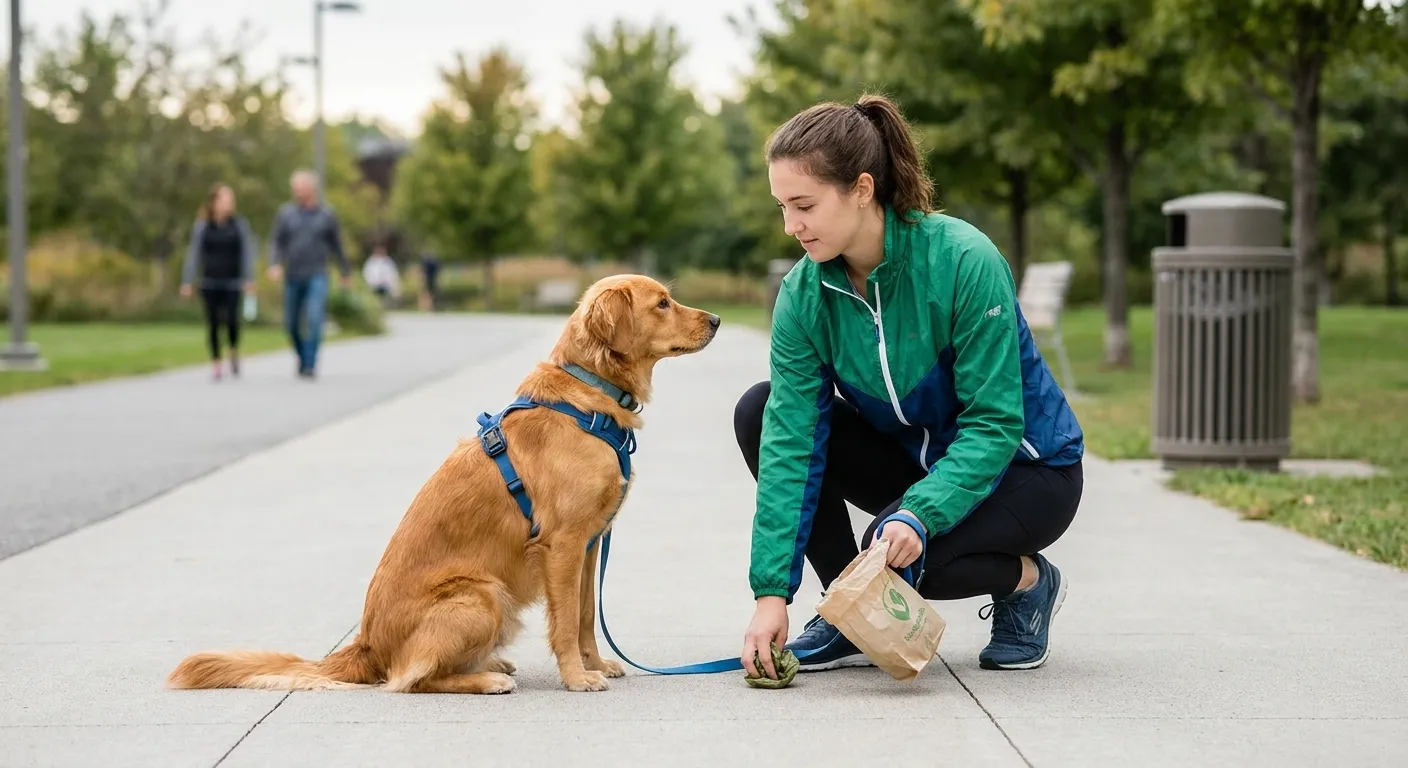
As dog owners, we share public spaces with a diverse community – other pet parents, families with young children, people who might be nervous around dogs, and those simply enjoying the outdoors. The way our dogs behave, and how we manage them, profoundly impacts these shared experiences. Mastering responsible dog owner etiquette isn’t just about following rules; it’s about fostering respect, promoting safety, and building a welcoming environment for everyone. It’s about being a Pawsitive Path ambassador, setting an example for thoughtful community engagement.
At Pawsitive Path, we believe that joyful walks extend beyond just our bond with our dogs to encompass our interactions with the wider world. Let’s explore the key principles that ensure our walks are harmonious and enjoyable for all.
Why Responsible Dog Owner Etiquette Matters More Than Ever
With more dogs in our homes and more people using parks and trails, the need for clear, consistent public pet manners is greater than ever. Poor conduct by a few can unfortunately cast a shadow over all dog owners. By actively practicing good dog citizen rules, we contribute to a positive perception of dogs in public, ensuring continued access to shared spaces and strengthening the fabric of our communities. For owners like Ava, who want Max to be a well-behaved companion, this extends to every interaction in public.
The Golden Rules for Public Pawsitive Interactions
These guidelines form the foundation of respectful dog walking and contribute to a safer, more pleasant environment for everyone.
Leash Laws and Control: Keeping Everyone Safe
This is paramount. Even if your dog has perfect recall, leash laws are in place for a reason – the safety of your dog, other people, and wildlife. Always keep your dog on a leash in designated areas and maintain control. This means being able to prevent them from jumping, running up to strangers, or interacting with other dogs without permission. A secure leash and harness are your best tools for preventing unintended encounters. Furthermore, understanding local regulations is crucial. Check your city or park website for specific leash requirements. Often, these rules are designed to protect both pets and people.
Waste Management: Scoop the Poop, Every Time!
There’s no excuse for leaving dog waste behind. Carry plenty of waste bags and always pick up after your dog. Dispose of bags properly in designated bins. This simple act prevents the spread of disease, keeps public areas clean, and shows respect for your community. It’s the most fundamental aspect of proper pet conduct. For instance, leaving waste can contaminate water sources and spread parasites. Additionally, nobody enjoys stepping in dog poop. Therefore, always be prepared with an ample supply of waste bags. Many municipalities provide public dispensers, but it’s always best to carry your own.
Respecting Personal Space: Ask Before Approaching
Not every person or dog wants to interact. Always ask permission before allowing your dog to approach another person or dog. Teach your dog a ‘leave it’ or ‘heel’ command to keep them by your side when passing others. Pay attention to body language – a person turning away or picking up their child is a clear sign they prefer not to engage. This also applies to other dogs; not all dogs are friendly, and some may be fearful or training. Consequently, a quick verbal check can prevent uncomfortable or even dangerous situations. Remember, a dog on a leash might be in training or recovering from an injury, so giving them space is always a kind gesture. This is a vital part of responsible dog ownership.
Managing Barking and Noise: Promoting Tranquility
While barking is a natural form of dog communication, excessive barking in public can be disruptive and annoying to others. It’s important to manage your dog’s vocalizations, especially in quiet areas like residential streets, parks, or trails. If your dog tends to bark at passersby or other dogs, work on desensitization and distraction techniques. For example, carry high-value treats to redirect their attention before they start barking. Consider exploring bark control devices if persistent barking is a challenge, always using humane and positive reinforcement methods. Ultimately, a peaceful walk benefits everyone.
Understanding Dog Body Language: Be Your Dog’s Advocate
Your dog communicates constantly through their body language. Learning to read these signals is essential for preventing issues and ensuring their comfort. For instance, a tucked tail, flattened ears, or lip licking can indicate stress or fear. A stiff body or hard stare might signal a dog is feeling threatened or about to react. By understanding these cues, you can intervene early, remove your dog from an uncomfortable situation, or communicate their needs to others. This proactive approach is a cornerstone of good dog manners.
Sharing Pathways: Yielding and Awareness
When walking on shared paths, trails, or sidewalks, be mindful of others. Keep your dog close to you and to one side, allowing ample space for people to pass. If you’re walking with multiple dogs, try to keep them in a line rather than spread out. When encountering cyclists, runners, or people with strollers, it’s often best to step to the side and have your dog sit or stand calmly until they pass. This simple act of yielding demonstrates thoughtfulness and prevents potential collisions or anxieties. It shows you prioritize the comfort and safety of all users.
Training for Terrific Public Manners
Good dog citizen rules aren’t innate; they’re taught. Consistent positive reinforcement training is key to helping your dog become a confident and well-behaved companion in any environment. Here are some fundamental skills to focus on:
- Loose-Leash Walking: Teach your dog to walk beside you without pulling. This makes walks more enjoyable for both of you and gives you better control.
- Recall (‘Come!’): While not a substitute for a leash in regulated areas, a solid recall is invaluable for emergencies or in designated off-leash zones.
- ‘Leave It’ and ‘Drop It’: These commands are crucial for preventing your dog from picking up undesirable items or bothering other people/animals.
- ‘Sit’ and ‘Stay’: These basic commands are excellent for maintaining control and focus in distracting environments. They are particularly useful when you need your dog to wait patiently while you greet someone or tie your shoe.
- Socialization: Safely exposing your puppy to a variety of sights, sounds, people, and other well-behaved dogs from a young age helps them develop confidence and appropriate social skills. However, always prioritize quality over quantity, ensuring positive experiences.
By investing time in these training fundamentals, you’ll empower your dog to navigate public spaces with grace. Moreover, a well-trained dog is a joy to be around, and their good behavior reflects positively on all dog owners. For more tips on engaging training solutions, feel free to explore our blog.
Navigating Off-Leash Areas Responsibly
Off-leash dog parks and trails can be wonderful for exercise and socialization, but they come with their own set of considerations for good public pet manners. Even in these areas, your dog must be under voice control. Always observe the following:
- Know Your Dog: Only bring dogs who are reliably social and have excellent recall. If your dog is prone to aggression, excessive barking, or ignoring commands, an off-leash park is not the right environment for them.
- Supervise Actively: Don’t get distracted by your phone. Pay close attention to your dog’s interactions with other dogs and people. Intervene promptly if play becomes too rough or if your dog is bothering others.
- Respect Other Users: Not everyone wants their dog to play with yours. If another owner is trying to avoid interaction, respect their wishes. Similarly, always ask before letting your dog approach children.
- Be Prepared: Carry water, waste bags, and a leash for immediate control if needed. Ensure your dog wears an ID tag with current contact information, just in case.
Adhering to these principles ensures that off-leash areas remain safe and enjoyable for all two- and four-legged visitors. Your commitment to proper dog walking etiquette makes a real difference.
The Broader Impact: Why Your Actions Matter
Every time you step out with your dog, you’re an ambassador for dog owners everywhere. Your adherence to good dog citizen rules helps maintain access to public spaces for all dogs. Conversely, repeated instances of poor conduct can lead to stricter regulations, fewer dog-friendly areas, and a negative public perception of our beloved companions. We want to ensure that future generations of dog owners can continue to enjoy the privilege of sharing public spaces with their furry friends. Therefore, let’s all strive to be exemplary.
Being a responsible dog owner isn’t just about avoiding fines; it’s about being a thoughtful community member. It’s about ensuring safety, showing respect, and fostering positive interactions. By consciously practicing these elements of dog owner responsibility, you’re not only making your walks more enjoyable but also contributing to a more dog-friendly world. We encourage you to share these insights with fellow pet parents, helping to spread the word about the importance of dog park etiquette and general public manners for dogs. Let’s create a world where every walk is a happy and harmonious experience for everyone involved. For further reading on public pet manners, consider resources like the American Kennel Club’s guide on dog park etiquette.
Conclusion: Your Role as a Pawsitive Path Ambassador
Mastering responsible dog owner etiquette is a powerful way to celebrate the bond with our dogs while respecting our wider community. By consistently applying these principles – from adhering to leash laws and managing waste to respecting personal space and training effectively – we contribute to a safer, cleaner, and more welcoming environment for everyone. Your commitment to excellent public pet manners not only enhances your own walking experience but also strengthens the positive perception of dogs in our society. Let’s walk the path of thoughtful community engagement together, one harmonious step at a time. Thank you for being a part of the Pawsitive Path community!
FAQ:
What is responsible dog ownership in public?
Responsible dog ownership in public means actively managing your dog’s behavior to ensure safety, cleanliness, and respect for all individuals and the environment. This includes adhering to leash laws, picking up waste, controlling barking, and ensuring your dog doesn’t approach others without permission.
Why are leash laws so important for dog owners?
Leash laws are crucial for the safety of your dog, other people, and wildlife. They prevent dogs from running into traffic, getting lost, engaging in unwanted interactions with other dogs or people, and disturbing natural habitats. Even well-trained dogs can be unpredictable in new environments.
How can I teach my dog good public behavior?
Consistent positive reinforcement training is key. Focus on basic commands like ‘sit’, ‘stay’, ‘heel’, ‘leave it’, and a reliable recall. Socialize your dog safely from a young age, exposing them to various sights and sounds. Practice these skills in different public environments, gradually increasing distractions.
What should I do if my dog barks excessively at others during walks?
If your dog barks excessively, try to identify the triggers. Practice desensitization by gradually exposing them to triggers from a distance, rewarding calm behavior. Use distraction techniques with high-value treats to redirect their focus before barking starts. For persistent issues, consider consulting a professional dog trainer.
How does my dog’s public conduct affect the community?
Your dog’s public conduct significantly impacts how dogs are perceived in the community. Good behavior helps maintain access to public spaces for all dogs and fosters a positive relationship between dog owners and non-dog owners. Conversely, poor conduct can lead to stricter regulations and a negative image for dogs in general.

