
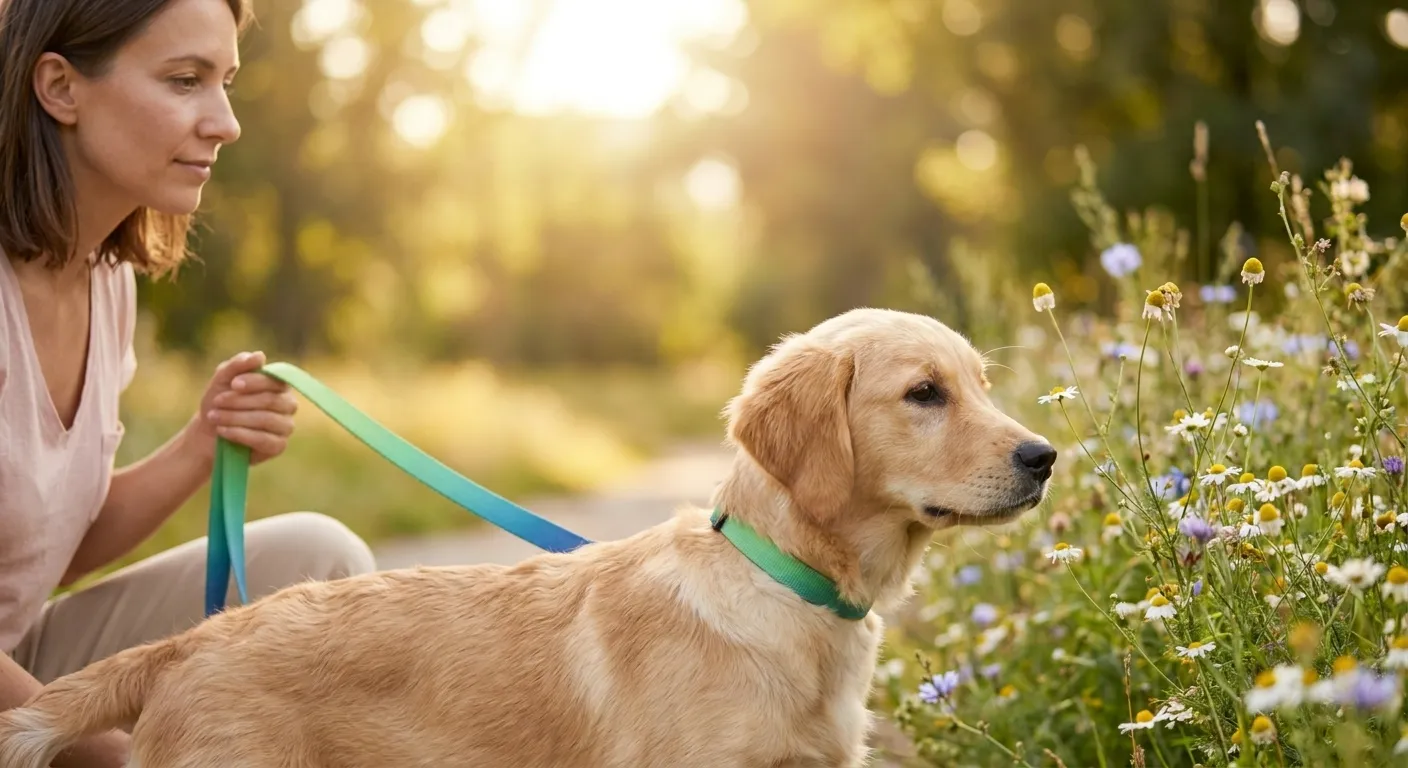
For many dog owners, the daily walk can feel less like a pleasant stroll and more like a tug-of-war. If you’ve ever wondered why dogs pull leash, you’re not alone. It’s a common frustration, often attributed to a dog being ‘dominant’ or ‘stubborn.’ However, digging deeper reveals that pulling is rarely about malice and almost always about communication, instinct, or unmet needs. Understanding these underlying reasons is the first step toward fostering a more harmonious walking experience with your beloved companion.
Instinct and Environment Drive Pulling
Think about it from your dog’s perspective. The world outside is a symphony of enticing smells, sounds, and sights. Their natural instinct is often to investigate, to move forward and explore. Dogs naturally walk faster than humans, and their pace is driven by their desire to reach the next interesting scent post or greet a passing friend. When a dog pulls, they are often simply trying to get to something exciting or move away from something perceived as unpleasant. The leash, to them, becomes an obstacle rather than a guide.
Each time they pull and reach their desired destination (even if it’s just a few feet forward), they are inadvertently rewarded, reinforcing the pulling behavior. It’s a self-perpetuating cycle: pull, get closer, repeat. It’s not about defiance; it’s about efficient movement towards a goal. Furthermore, the environment itself is a significant factor. A busy street with lots of distractions will naturally encourage a dog to pull more than a quiet park. The sheer novelty and stimulation can be overwhelming, leading to an excited, forward-driving energy.
Moreover, dogs don’t inherently understand the concept of a ‘loose leash.’ They learn it through consistent, positive reinforcement training. Without clear guidance and incentives to walk calmly by your side, they default to their natural inclination to move ahead. By shifting our perspective from ‘my dog is misbehaving’ to ‘my dog is trying to tell me something or reach something,’ we open the door to more effective training strategies that address the root cause of the pulling, rather than just the symptom.
Unpacking the ‘Why’: Beyond Simple Excitement
While excitement and instinct play a huge role, there are several other layers to explore when we consider why dogs pull leash. For instance, a dog might be pulling because they are genuinely anxious or fearful. The outside world can be a scary place for some pups, filled with loud noises, strange people, or intimidating dogs. In these situations, pulling might be an attempt to escape a perceived threat or to get closer to the safety of their human.
Additionally, a lack of early socialization can contribute to a dog’s inability to cope with external stimuli, leading to increased pulling. If a puppy wasn’t exposed to a variety of sights, sounds, and experiences during their critical developmental window, they might find the world overwhelming as an adult. Consequently, their natural reaction could be to pull on the leash, trying to navigate or avoid these new sensations.
Consider also the physical aspect. Some dogs might be experiencing discomfort or pain. An ill-fitting harness or collar can be incredibly uncomfortable, prompting a dog to pull against it to relieve pressure. Sometimes, an underlying medical condition, like arthritis or hip dysplasia, might make certain movements painful, causing them to rush forward or pull in an unusual way. Therefore, it’s always wise to rule out physical issues with a vet check if leash pulling suddenly starts or intensifies.
The Impact of Equipment and Handling
The type of equipment you use significantly influences your dog’s pulling behavior. A standard flat collar, while common, can often exacerbate pulling. When a dog pulls against a flat collar, it puts pressure on their trachea, which can be uncomfortable and even harmful. This discomfort doesn’t necessarily deter them from pulling; instead, it can make the walk unpleasant for both of you.
Front-clip harnesses, on the other hand, are often recommended for dogs that pull. When a dog pulls with a front-clip harness, the leash attachment point on their chest gently redirects their momentum back towards you, making it more difficult for them to pull effectively. Similarly, head halters can be very effective as they provide control over the dog’s head, which in turn guides their body. However, these require careful introduction to ensure your dog is comfortable.
Furthermore, your own handling of the leash plays a crucial role. Many owners inadvertently reinforce pulling by unconsciously tightening the leash when their dog pulls. This creates opposition reflex – the dog feels pressure and instinctively pulls against it. Instead, a loose leash, held with a relaxed grip, communicates to your dog that there’s no tension to fight against. Learning to manage the leash effectively is a skill that benefits both partners in the walking equation.
Positive Reinforcement: The Key to Loose Leash Walking
Understanding why dogs pull leash is valuable, but the real magic happens when we apply positive reinforcement training. This approach focuses on rewarding desired behaviors rather than punishing unwanted ones. When teaching loose leash walking, the goal is to make walking politely by your side more rewarding than pulling ahead. This means showering your dog with praise, treats, or toys the moment the leash is slack.
Start in a low-distraction environment, like your backyard. Hold a treat near your leg and take a few steps. As your dog walks beside you with a loose leash, say “Yes!” or “Good!” and give them the treat. Repeat this frequently. If your dog pulls, simply stop walking. Stand still like a tree. Only when the leash slackens, even for a second, do you resume walking. This teaches your dog that pulling makes the walk stop, while a loose leash makes it continue.
Gradually introduce more distractions as your dog masters the skill. Practice short bursts of walking, rewarding consistently. Remember, consistency is paramount. Every walk is a training opportunity. For more ideas on engaging your dog, consider exploring various puzzle toys or interactive toys that can help fulfill their mental and physical needs, making them calmer on walks.
Addressing Specific Pulling Triggers
Sometimes, dogs pull due to specific triggers. For example, some dogs pull excessively when they see other dogs or people. This could be due to over-excitement, frustration, or even fear. In these cases, management is key. Try to anticipate these triggers and create distance. If your dog reacts to other dogs, cross the street or find a quieter route. As you create distance, practice the loose leash walking exercises.
You can also work on desensitization and counter-conditioning. This involves gradually exposing your dog to the trigger at a distance where they remain calm, and then rewarding them for looking at the trigger without reacting. Over time, you can slowly decrease the distance, always ensuring your dog stays below their threshold for reactivity. This takes patience and consistency, but it’s incredibly effective in changing their emotional response to triggers.
Furthermore, consider your dog’s energy levels. A dog that hasn’t had enough physical or mental exercise before a walk is more likely to pull due to pent-up energy. Ensure your dog gets adequate exercise and mental stimulation throughout the day. This might involve playtime in the yard, training sessions, or using chew toys to help them relax. A tired dog is often a well-behaved dog on a leash.
Building a Stronger Bond Through Understanding
Ultimately, understanding why dogs pull leash is about deepening your relationship with your pet. It shifts the dynamic from a struggle to a partnership. When we approach leash pulling with empathy and a desire to understand our dog’s perspective, we can implement solutions that are not only effective but also strengthen the bond we share.
This journey requires patience, consistency, and a positive attitude. It’s about teaching your dog new skills and helping them navigate the world in a calm and confident manner. Remember, every dog is an individual, and what works for one might need slight adjustments for another. Celebrate small victories and remain encouraging throughout the process. For additional resources and expert advice, you might find valuable information from organizations like the Association of Professional Dog Trainers or the Pet Professional Guild, which advocate for positive, force-free training methods.
A well-trained dog who enjoys walks by your side is a joy to behold. It allows for more adventures, safer outings, and a deeper connection between you and your best friend. So, next time you feel that tug, remember to pause, understand, and respond with kindness and effective training. Your dog will thank you for it with every calm step they take beside you.
FAQ
What are the main reasons my dog pulls on the lead?
Dogs often pull on the lead due to instinctual desires to explore, excitement about their environment, or simply because they’ve learned that pulling gets them where they want to go. They might also pull out of fear, anxiety, or even discomfort from ill-fitting gear. Understanding these motivations helps in addressing the behavior.
How can I stop my dog from pulling on walks?
To stop your dog from pulling, use positive reinforcement training. Reward them for a loose lead with treats and praise. If they pull, stop walking until the lead slackens. Consider using a front-clip harness or head halter, and gradually introduce distractions. Consistency is crucial for success.
Does a dog pulling on the leash mean they are dominant?
No, a dog pulling on the leash is very rarely a sign of dominance. It’s more often a result of their natural instincts, excitement, lack of training, or a desire to investigate their surroundings. Attributing it to dominance can lead to ineffective and even harmful training methods.
What equipment is best for a dog that pulls?
For dogs that pull, a front-clip harness is often recommended as it gently redirects their momentum. Head halters can also be very effective for more control. Avoid retractable leashes, which can actually encourage pulling and offer less control. Always ensure any equipment fits comfortably and correctly.
How long does it take to train a dog not to pull?
The time it takes to train a dog not to pull varies greatly depending on the dog’s age, previous habits, consistency of training, and the owner’s commitment. Some dogs learn quickly, while others may take several weeks or even months of consistent, patient training. Celebrate small progress along the way!

