
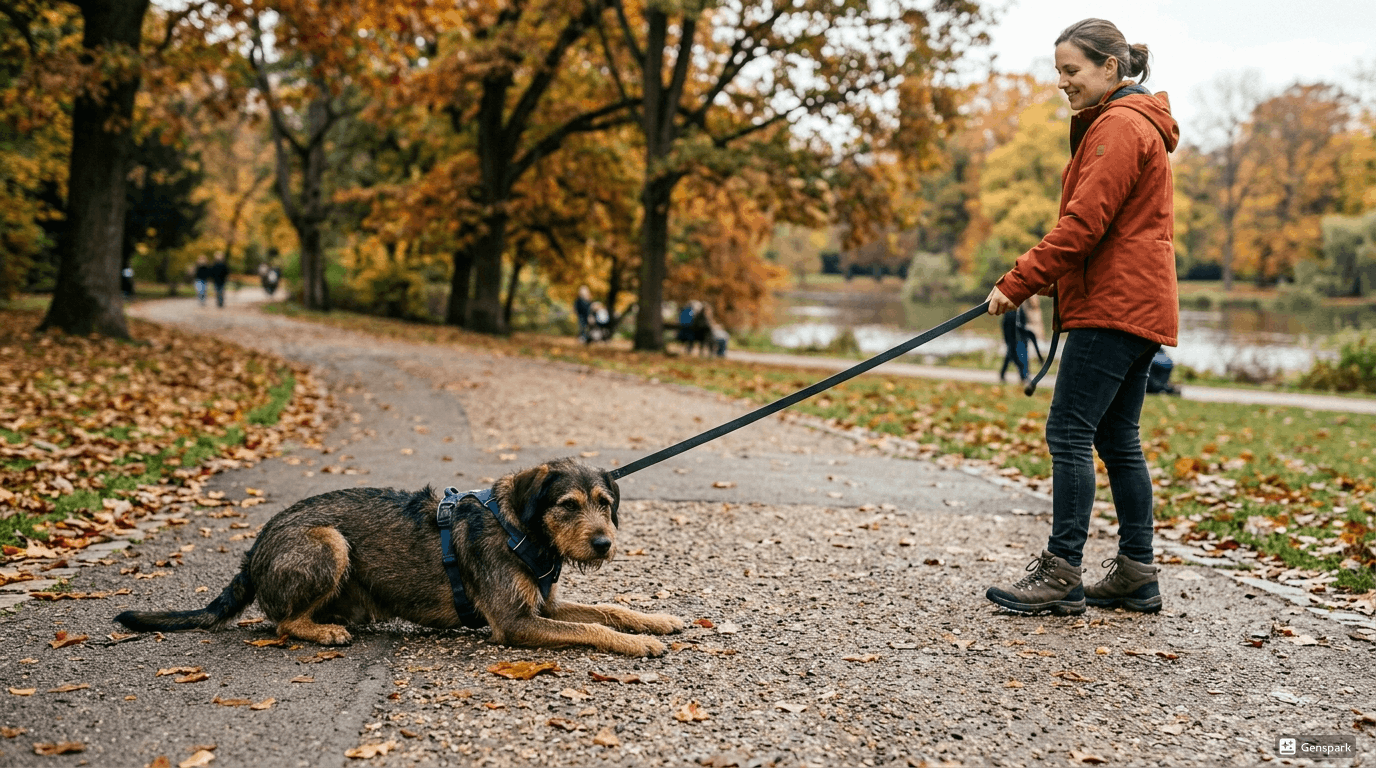
When you notice a dog refusing to walk, it can feel confusing and frustrating at first. However, this behavior often signals something deeper than simple stubbornness. In many cases, dogs avoid walking because they are experiencing discomfort or pain, and they rely on subtle body language to communicate that something is wrong. Understanding these warning signs early can make a significant difference in your dog’s health, comfort, and long-term well-being.
Dogs are naturally active animals, so any sudden hesitation or resistance during walks should never be ignored. While some dogs may occasionally pause due to distractions or fear, consistent refusal to move forward often points to a physical issue. Therefore, recognizing the difference between behavioral hesitation and genuine pain becomes essential for responsible pet ownership.
Why Pain Can Cause Walking Resistance
A dog refusing to walk is often trying to avoid aggravating an injury or discomfort. Unlike humans, dogs cannot explain what hurts, so they adjust their behavior instead. This means they may stop, slow down, or completely refuse to continue walking. In many cases, pain-related refusal develops gradually, making it easy to overlook until the problem becomes severe.
Joint pain is one of the most common causes, especially in older dogs. Arthritis, hip dysplasia, or ligament injuries can make walking uncomfortable, particularly on hard surfaces or during longer outings. Additionally, muscle strain from overactivity or rough play can also lead to temporary mobility issues. Because of this, even a normally energetic dog may suddenly become reluctant to move.
Furthermore, paw injuries often go unnoticed at first. Cuts, burns from hot pavement, or foreign objects stuck between the toes can cause immediate discomfort. As a result, a dog refusing to walk may actually be trying to protect its paws from further irritation. Paying attention to these small details can help identify the root cause quickly.
Subtle Warning Signs of Pain
When dealing with a dog refusing to walk, the most important step is to observe closely. Dogs rarely show pain in obvious ways, so subtle changes in behavior often provide the first clues. For instance, you might notice your dog walking slower than usual or frequently stopping during a walk. Although this may seem minor, it often indicates discomfort building over time.
Another key sign is limping or favoring one leg. Even a slight limp should not be dismissed, as it could signal anything from a minor strain to a more serious injury. In addition, stiffness after resting, especially in the morning, is a strong indicator of joint-related issues. Dogs with arthritis often struggle to get moving but may improve slightly once they warm up.
Body posture also reveals a lot. A dog experiencing pain may lower its head, tuck its tail, or adopt a tense stance. Moreover, changes in facial expression, such as squinting or flattened ears, can suggest discomfort. While these signs may appear subtle, they often accompany a dog refusing to walk due to underlying pain.
Behavioral Changes That Indicate Discomfort
Sometimes, the signs go beyond physical symptoms and appear as behavioral changes. A dog refusing to walk may suddenly become less enthusiastic about outings, even if it previously enjoyed them. Instead of eagerly heading to the door, your dog may hesitate, hide, or avoid eye contact when you pick up the leash.
In addition, increased irritability can be a warning sign. Dogs in pain may growl or snap when touched, especially near the affected area. Although this behavior may seem out of character, it is often a defensive response to discomfort. Therefore, it is important to approach your dog gently and avoid forcing movement.
Another common change is decreased activity overall. If your dog starts sleeping more or avoids climbing stairs, it could indicate pain affecting mobility. Consequently, a dog refusing to walk should always be evaluated in the context of its overall behavior and energy levels.
Common Medical Causes Behind Walking Refusal
Understanding the possible medical reasons behind a dog refusing to walk helps guide your next steps. Orthopedic issues are among the most frequent causes. Conditions like arthritis, ligament tears, and bone injuries can significantly limit movement and cause ongoing discomfort.
Neurological problems can also play a role. In some cases, nerve damage or spinal issues affect coordination and balance, making walking difficult or painful. Dogs may appear unsteady or hesitant, which can easily be mistaken for fear or laziness. However, these symptoms require immediate attention.
Additionally, internal conditions such as infections or organ issues can lead to general weakness and fatigue. A dog refusing to walk might not be dealing with a visible injury but could still be experiencing discomfort internally. Because of this, a thorough veterinary checkup becomes crucial when symptoms persist.
When Environmental Factors Contribute
While pain is a major concern, environmental factors can sometimes worsen the situation. For example, extreme temperatures can make walking uncomfortable. Hot pavement can burn paws, while cold weather may stiffen joints, especially in older dogs. As a result, a dog refusing to walk might simply be reacting to harsh conditions.
Surface type also matters. Rough or uneven terrain can aggravate existing injuries, making your dog hesitant to continue. Additionally, loud noises or unfamiliar surroundings can increase stress, which may compound physical discomfort. Therefore, always consider both physical and environmental influences when evaluating your dog’s behavior.
What To Do If Your Dog Refuses To Walk
If you notice a dog refusing to walk, the first step is to remain calm and avoid forcing movement. Pushing your dog to continue can worsen injuries and increase stress. Instead, allow your dog to rest and observe its behavior carefully.
Next, perform a gentle physical check. Look for visible signs of injury, such as swelling, cuts, or redness. Pay close attention to the paws, joints, and legs, as these areas commonly cause walking issues. However, avoid applying pressure if your dog shows signs of pain.
Monitoring changes over time is also important. If the refusal persists or worsens, it is best to consult a veterinarian. Early diagnosis can prevent minor issues from becoming serious problems. In many cases, timely treatment significantly improves recovery outcomes.
Preventing Future Walking Problems
Prevention plays a key role in keeping your dog active and comfortable. Regular exercise helps maintain joint health, but it should always match your dog’s age and physical condition. Overexertion can lead to injuries, especially in high-energy breeds.
Proper nutrition also supports mobility. Diets rich in essential nutrients help maintain healthy joints and muscles. Additionally, maintaining a healthy weight reduces stress on joints, which is particularly important for preventing arthritis-related issues.
Routine vet checkups are another essential part of prevention. Regular evaluations can detect early signs of health problems before they affect your dog’s ability to walk. As a result, you can address concerns proactively rather than reacting to symptoms later.
When To Seek Immediate Help
While some cases may resolve with rest, certain situations require urgent attention. If a dog refusing to walk is accompanied by severe limping, crying, or inability to stand, immediate veterinary care is necessary. These signs often indicate serious injuries or conditions that need prompt treatment.
Additionally, sudden changes in behavior, such as loss of appetite or extreme lethargy, should never be ignored. These symptoms may point to underlying health issues beyond mobility problems. Acting quickly can make a critical difference in your dog’s recovery.
Conclusion
A dog refusing to walk is never something to overlook, especially when pain may be involved. While it can be tempting to assume your dog is simply being stubborn, this behavior often signals discomfort that requires attention. By observing subtle warning signs, understanding potential causes, and taking appropriate action, you can ensure your dog remains healthy and active.
Ultimately, your dog relies on you to recognize when something is wrong. Therefore, staying attentive and proactive not only improves your dog’s quality of life but also strengthens the bond you share. When in doubt, always choose caution and seek professional advice to keep your pet safe and comfortable.
FAQ
- What are the first signs that my dog may be in pain during walks?
Early signs include slowing down, stopping frequently, limping, or showing stiffness after rest. These changes often appear before more obvious symptoms. - Can a young dog experience mobility issues?
Yes, younger dogs can suffer from injuries, muscle strain, or congenital conditions that affect movement, even if they are generally active. - How long should I wait before contacting a vet?
If the behavior lasts more than a day or worsens, it is best to consult a veterinarian to rule out serious issues. - Could fear or anxiety cause walking refusal?
Yes, environmental stress or fear can contribute, but it is important to rule out physical discomfort first before assuming a behavioral cause. - How can I make walks more comfortable for my dog?
Use softer surfaces, avoid extreme temperatures, maintain a healthy weight, and ensure your dog gets regular checkups to support mobility.

