
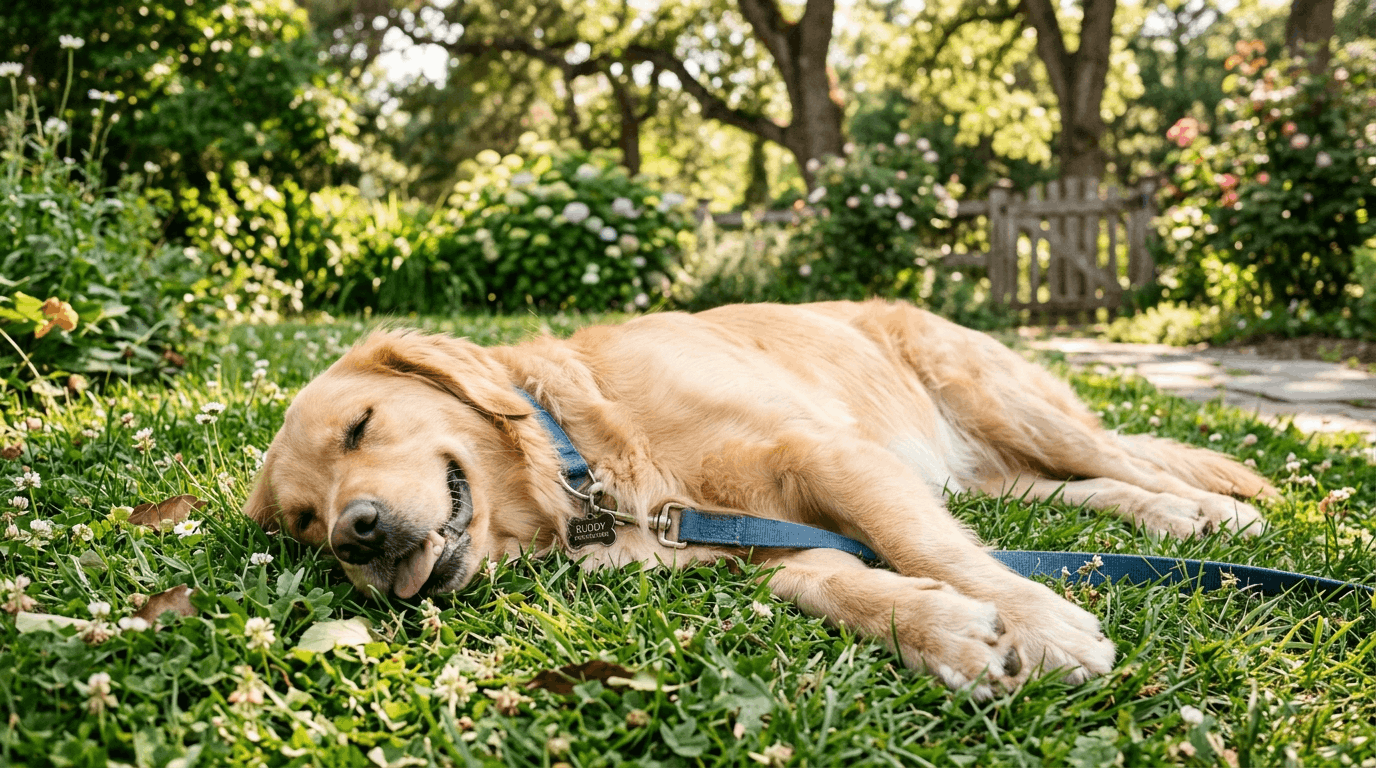
Creating a happier relaxed dog at home does not require expensive equipment or complicated routines. Most dogs thrive when they feel safe, understood, and connected to the people around them. While every breed has unique needs, nearly all dogs respond positively to stable routines, mental stimulation, physical exercise, and calm environments. When owners focus on these areas consistently, dogs often become more confident, peaceful, and emotionally balanced.
Many behavior problems actually begin with stress, confusion, boredom, or lack of structure. Excessive barking, chewing, pacing, or restlessness may signal emotional imbalance rather than stubborn behavior. Because of this, improving a dog’s daily experience can greatly influence long-term behavior and happiness. A happier relaxed dog usually feels secure in its environment and trusts the people providing daily care.
Dogs experience the world differently than humans. They depend heavily on routine, scent, body language, and emotional consistency. Small changes in the home may affect them more than owners realize. Fortunately, thoughtful adjustments can create noticeable improvements in a dog’s emotional well-being.
Build a Consistent Daily Routine
Dogs feel safer when life becomes predictable.
Consistent feeding times, walks, bathroom breaks, and bedtime routines help reduce uncertainty. When dogs know what to expect, they often become calmer and more confident throughout the day.
A happier relaxed dog usually benefits from structure because routines lower anxiety levels naturally. Sudden schedule changes may increase nervous behavior, especially in sensitive dogs.
Simple consistency often creates stronger emotional stability than owners expect. Even small habits like morning walks or evening quiet time help dogs settle mentally.
Provide Daily Physical Exercise
Exercise remains one of the most important factors in emotional balance.
Dogs with excess energy often struggle to relax properly at home. Without physical outlets, many develop destructive or anxious behaviors over time.
Daily walks, games, training sessions, or backyard play help release energy in healthy ways. However, exercise should match the dog’s age, breed, and physical condition.
A happier relaxed dog usually receives enough activity to stay mentally and physically satisfied without becoming overstimulated.
Labradors, Border Collies, and working breeds often require more exercise than smaller companion breeds. Meanwhile, older dogs may benefit more from gentle movement and shorter walks.
Mental Stimulation Matters Too
Physical exercise alone does not fully satisfy most dogs.
Mental enrichment helps reduce boredom while improving confidence and focus. Puzzle feeders, scent games, training exercises, and interactive toys challenge the brain in healthy ways.
Dogs naturally enjoy solving problems and exploring their environment. Therefore, mentally engaging activities often create calmer behavior afterward.
A happier relaxed dog frequently shows fewer signs of frustration because mental needs are being met consistently.
Simple activities work surprisingly well. Hiding treats around the house or practicing short obedience sessions may significantly improve emotional balance.
Create a Calm Resting Space
Dogs need quiet places where they can fully relax without interruption.
Some owners unintentionally overstimulate dogs by allowing constant activity around sleeping areas. Busy households, loud televisions, or frequent disturbances sometimes prevent proper rest.
A designated calm space helps dogs decompress safely. Comfortable beds placed in quiet areas often support better sleep and emotional recovery.
A happier relaxed dog usually has access to peaceful downtime throughout the day rather than nonstop stimulation.
Crates may also help some dogs feel secure when introduced positively and used appropriately.
Use Positive Reinforcement Training
Training methods strongly affect emotional well-being.
Harsh corrections or unpredictable discipline may increase anxiety, fear, or confusion. Positive reinforcement, however, encourages trust and cooperation.
Rewarding desired behaviors with praise, treats, or toys helps dogs understand expectations clearly. Calm guidance often produces more reliable results than punishment.
A happier relaxed dog typically learns through encouragement rather than fear.
Training sessions should remain short, enjoyable, and consistent. Frequent success helps dogs feel more confident in daily situations.
Pay Attention to Body Language
Dogs communicate constantly through posture, movement, and facial expressions.
Owners who recognize stress signals early can prevent emotional overload more effectively.
Yawning, lip licking, pacing, trembling, whale eye, tucked tails, or avoiding eye contact sometimes indicate discomfort or anxiety.
Understanding these signals helps owners respond calmly instead of misunderstanding behavior.
A happier relaxed dog usually displays softer body posture, relaxed ears, steady breathing, and loose tail movement.
Observing body language carefully strengthens trust between dogs and owners over time.
Avoid Constant Noise and Chaos
Loud or chaotic environments sometimes overwhelm sensitive dogs.
Frequent shouting, unpredictable activity, or excessive noise may contribute to nervous behavior. While some dogs tolerate busy homes well, others struggle emotionally with constant stimulation.
Calmer environments often help dogs settle more easily.
Soft music, quiet evenings, and peaceful routines may reduce stress levels naturally. A happier relaxed dog often benefits from a home atmosphere that feels emotionally stable.
Socialization Should Feel Positive
Healthy socialization builds confidence rather than fear.
Many owners mistakenly assume dogs should meet every person or dog they encounter. However, forced interactions sometimes create anxiety instead of comfort.
Positive social experiences should happen gradually and respectfully.
A happier relaxed dog learns that new situations can feel safe because exposure occurs at a manageable pace.
Quality matters more than quantity. Calm and successful interactions often build stronger confidence than overwhelming experiences.
Healthy Nutrition Supports Emotional Balance
Diet influences more than physical health.
Poor nutrition may contribute to energy instability, digestive discomfort, or inflammatory issues that affect behavior indirectly.
Balanced meals containing quality protein, healthy fats, and proper nutrients help support brain function and emotional stability.
A happier relaxed dog often benefits from consistent, nutritious feeding routines combined with proper hydration.
Some dogs also react negatively to artificial additives or sudden diet changes. Monitoring food responses carefully helps identify possible sensitivities.
Encourage Natural Behaviors
Dogs naturally enjoy sniffing, chewing, exploring, and problem-solving.
Restricting these instincts completely may create frustration over time.
Sniff walks, chew toys, enrichment feeders, and supervised outdoor exploration support emotional satisfaction naturally.
A happier relaxed dog usually receives safe opportunities to express natural canine behaviors every day.
Chewing especially helps many dogs release tension and relax mentally.
Avoid Overstimulation During Play
Excitement and happiness are not always the same thing.
Some dogs become overly aroused during intense games or rough play. Excessive stimulation sometimes leads to hyperactivity, jumping, barking, or difficulty calming down afterward.
Balanced play sessions work better than nonstop excitement.
A happier relaxed dog often enjoys moderate activity followed by structured calm periods.
Games that encourage thinking and cooperation may produce calmer outcomes than highly frantic activities.
Quality Sleep Is Essential
Dogs require more sleep than many owners realize.
Interrupted rest may contribute to irritability, anxiety, or behavioral changes.
Puppies and active breeds especially need consistent sleep opportunities throughout the day.
A happier relaxed dog usually maintains healthier energy levels because proper rest supports emotional regulation.
Owners should avoid disturbing sleeping dogs unnecessarily whenever possible.
Touch and Affection Matter
Gentle affection helps strengthen emotional security.
Calm petting, grooming, or quiet companionship often reassures dogs emotionally. However, dogs also appreciate personal space when needed.
Learning what type of touch your dog enjoys helps deepen trust naturally.
A happier relaxed dog generally feels more secure when affection remains respectful and predictable.
Manage Separation Anxiety Carefully
Some dogs struggle when left alone.
Destructive behavior, barking, pacing, or accidents may indicate separation-related stress.
Gradual independence training helps many dogs build confidence over time.
Leaving interactive toys, maintaining calm departures, and avoiding dramatic greetings often improve emotional stability.
A happier relaxed dog usually develops stronger independence when alone time becomes predictable and safe.
Keep Training Expectations Realistic
Dogs are individuals with different personalities and emotional sensitivities.
Comparing one dog to another may create frustration for both owner and pet.
Some dogs learn quickly, while others require more repetition and patience.
A happier relaxed dog develops best in environments where owners focus on progress instead of perfection.
Small improvements deserve recognition because confidence grows gradually.
Watch for Hidden Stress Triggers
Stress sometimes comes from unexpected sources.
Construction noise, unfamiliar visitors, household tension, or sudden schedule changes may affect dogs emotionally.
Owners should observe patterns carefully when behavioral changes appear.
A happier relaxed dog often responds positively once hidden stressors are reduced or managed appropriately.
Routine Grooming Can Feel Comforting
Gentle grooming sessions help many dogs feel calmer when introduced positively.
Brushing removes loose fur while creating opportunities for bonding and relaxation.
However, rough handling or rushed grooming sometimes creates fear.
A happier relaxed dog usually experiences grooming as a calm and predictable activity rather than a stressful event.
Outdoor Time Improves Emotional Wellness
Fresh air and outdoor exploration provide important sensory stimulation.
Nature walks, safe yard time, and opportunities to sniff new environments often reduce stress naturally.
Dogs benefit emotionally from exploring varied scents and textures.
A happier relaxed dog typically shows improved mood after spending time outdoors regularly.
Your Emotional Energy Influences Your Dog
Dogs observe human emotions closely.
Tension, frustration, or anxiety from owners sometimes transfers directly to pets. Calm leadership helps dogs feel safer because emotional stability becomes predictable.
Speaking calmly, moving patiently, and maintaining consistent reactions support healthier communication.
A happier relaxed dog often develops in homes where emotional energy feels steady and reassuring.
Build Trust Slowly and Consistently
Trust forms through repeated positive experiences.
Dogs remember how people make them feel. Reliable routines, gentle handling, and fair communication strengthen emotional security over time.
Rushing progress sometimes damages confidence unnecessarily.
A happier relaxed dog usually develops gradually through patience and consistency rather than quick fixes.
Balance Activity and Calmness
Dogs need both stimulation and relaxation.
Constant excitement may create difficulty settling down later. Meanwhile, too little stimulation may lead to boredom or frustration.
Healthy balance helps dogs regulate emotions naturally.
A happier relaxed dog often alternates between activity, mental engagement, rest, and quiet bonding time throughout the day.
Creating emotional balance for dogs does not require perfection. Small daily habits often create the greatest long-term impact. Consistent routines, gentle communication, proper exercise, mental enrichment, and calm environments help dogs feel secure and emotionally healthy. When owners focus on understanding their dog’s needs instead of only correcting behavior, relationships become stronger and home life feels more peaceful. A happier relaxed dog usually reflects the safety, trust, and stability provided within the home environment. With patience and thoughtful care, nearly every dog can become calmer, more confident, and more emotionally balanced over time.
FAQ
1. How can I help my dog feel calmer at home?
Consistent routines, exercise, mental stimulation, and quiet resting spaces often help dogs relax naturally.
2. How much exercise does a dog need daily?
Exercise needs vary by breed, age, and energy level, but most dogs benefit from daily physical activity.
3. Can mental stimulation reduce bad behavior?
Yes. Puzzle toys, training, and enrichment activities often reduce boredom-related behaviors effectively.
4. Why does my dog seem restless indoors?
Restlessness may result from excess energy, anxiety, lack of routine, or insufficient mental stimulation.
5. Do dogs respond to human emotions?
Yes. Dogs often react strongly to human tone, body language, and emotional energy within the home.

