
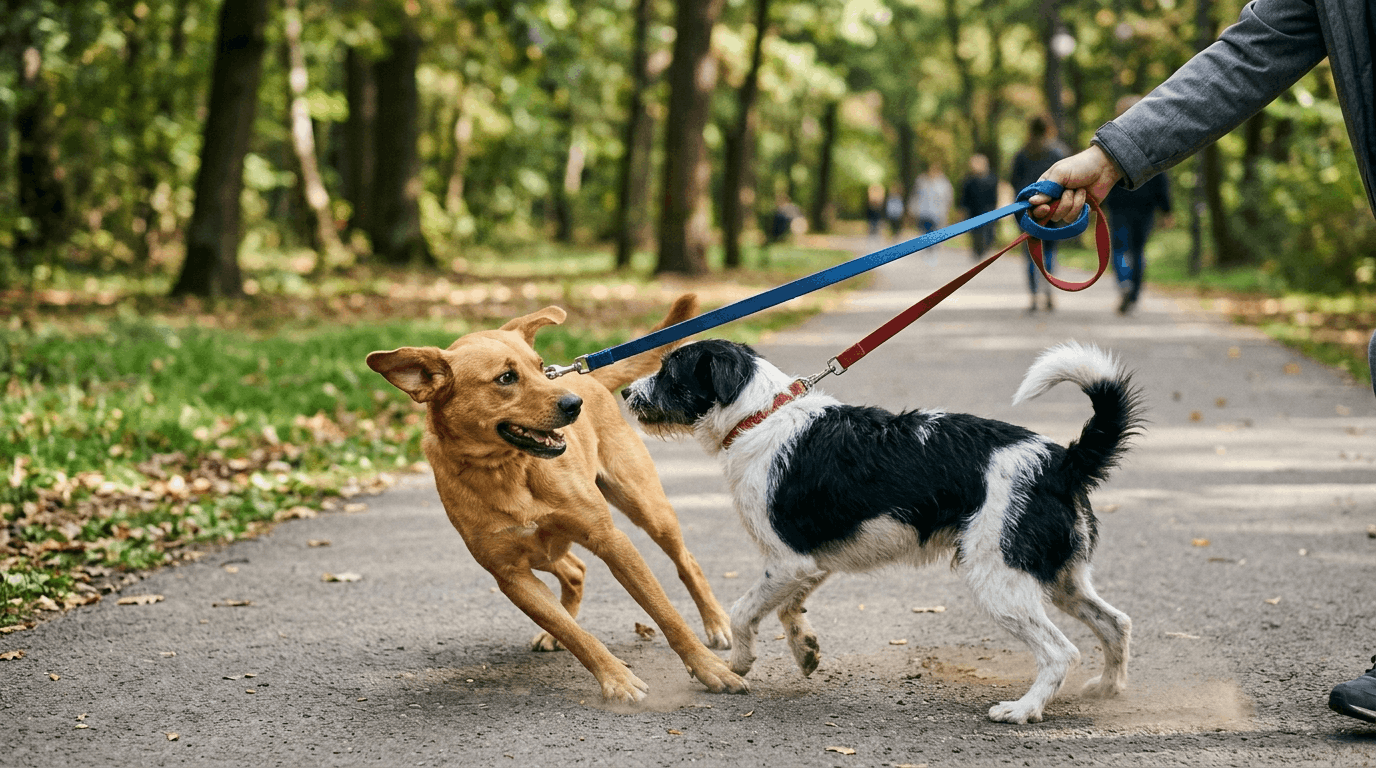
Walking should feel relaxing and enjoyable for both dogs and owners. However, many people struggle daily because their dogs pull on leash during every outing. What starts as a small annoyance often becomes exhausting, frustrating, and even dangerous over time. Strong pulling can strain shoulders, create leash reactivity, and reduce the overall quality of walks. Fortunately, most leash problems are not caused by stubborn dogs alone. In many cases, owners unknowingly reinforce the exact behaviors they want to stop.
Dogs naturally move faster than humans. They also become excited by smells, movement, sounds, and changing environments. Without proper guidance, they quickly learn that pulling helps them reach interesting things faster. Once that habit develops, it becomes deeply rewarding for the dog. Thankfully, consistent training and smarter handling can change those patterns successfully.
Understanding why dogs pull on leash helps owners avoid common mistakes that unintentionally encourage pulling behavior. Small adjustments in timing, communication, equipment, and routine often lead to major improvements. Calm walking does not happen overnight, yet patience and consistency make a huge difference.
Mistake 1: Allowing Pulling to Successfully Reach Rewards
One of the biggest reasons dogs pull on leash is simple. Pulling works.
Dogs repeat behaviors that help them reach something rewarding. When a dog pulls toward grass, another dog, or a favorite tree and eventually reaches it, the pulling becomes reinforced automatically. Even if owners dislike the behavior, the dog learns that tension on the leash produces results.
This pattern happens daily without many owners noticing it clearly. The dog pulls forward, and the owner eventually follows. Over time, pulling becomes the dog’s default walking strategy.
Instead, owners should stop moving whenever leash tension appears. The walk continues only when the leash relaxes again. Although this process requires patience initially, dogs eventually understand that loose leash walking leads to progress while pulling stops movement completely.
Consistency matters greatly here. If pulling succeeds sometimes but fails other times, dogs become confused and continue testing boundaries.
Mistake 2: Using Walks Only for Physical Exercise
Many owners believe walks only serve as physical exercise sessions. However, mental stimulation matters just as much for canine behavior.
Dogs pull on leash more intensely when they feel overstimulated, undertrained, or mentally frustrated. Fast-paced walks without engagement often increase excitement instead of promoting calmness.
Adding structure helps significantly. Owners should include moments of focus, direction changes, reward-based training, and calm pauses during walks. Dogs that mentally engage with their handler usually walk more politely over time.
Sniffing opportunities also matter because scent exploration provides valuable mental enrichment. Balanced walks combine movement, structure, exploration, and communication naturally.
Mistake 3: Choosing the Wrong Equipment
Equipment alone cannot solve leash pulling permanently. However, poor equipment often makes problems worse.
Retractable leashes commonly encourage constant tension because dogs learn that pulling extends movement forward. Thin collars may also place uncomfortable pressure on the neck during pulling episodes.
Front-clip harnesses often help reduce pulling because they redirect the dog gently instead of rewarding forward lunging. Well-fitted harnesses improve safety and comfort without causing unnecessary strain.
Some owners mistakenly rely on harsh corrective tools without proper training guidance. Fear-based methods may suppress behavior temporarily, yet they often increase anxiety and frustration long term.
Dogs pull on leash less frequently when owners combine comfortable equipment with calm, reward-based training methods.
Mistake 4: Walking Too Fast for Training to Happen
Many owners move through walks too quickly.
Dogs need opportunities to process information and practice calm behaviors successfully. When owners rush constantly, dogs often become overstimulated and reactive.
Slowing the pace improves learning considerably. Calm walking sessions create more opportunities for rewarding loose leash behavior naturally. Additionally, slower movement encourages dogs to check in with their owners more often.
Quick directional changes also help maintain attention. If dogs become overly focused ahead, changing direction calmly redirects their focus without confrontation.
Training happens best when owners remain patient and observant instead of hurrying through walks mechanically.
Mistake 5: Inconsistent Rules During Walks
Inconsistency creates confusion very quickly.
Some owners allow pulling occasionally when they feel tired or distracted. Other times, they correct the same behavior strictly. Dogs struggle to understand expectations when rules change constantly.
Dogs pull on leash more often when boundaries remain unpredictable. Clear patterns help dogs learn faster because they understand exactly which behaviors succeed.
Everyone walking the dog should follow similar rules and leash handling techniques. Consistent communication builds better habits much more effectively than occasional corrections.
Mistake 6: Ignoring Calm Behavior
Owners often focus heavily on unwanted behavior while forgetting to reward good choices.
Dogs need feedback when they walk calmly beside their owner. If calm walking receives no attention while pulling creates excitement and movement, dogs naturally repeat pulling behaviors more often.
Rewarding loose leash walking strengthens calm habits significantly. Rewards may include treats, praise, movement forward, sniffing opportunities, or playful interaction.
Timing matters greatly. Owners should reward calm behavior immediately so dogs clearly understand which actions earned positive outcomes.
Even short moments of relaxed leash walking deserve recognition during training.
Mistake 7: Expecting Instant Results
Many leash problems develop over months or years. Yet some owners expect dramatic improvements within a few days.
Training requires repetition, patience, and realistic expectations. Dogs pull on leash less consistently only after repeated practice and reinforcement.
Progress often happens gradually rather than perfectly. Some walks may feel excellent while others seem frustrating again. That variation remains normal during behavior change.
Owners who stay calm and committed usually see lasting improvements over time. Frustration and inconsistency often slow progress considerably.
Why Excitement Increases Leash Pulling
Excitement strongly influences walking behavior.
Dogs experience outdoor environments as highly stimulating places full of smells, sounds, movement, and opportunities. Excited dogs naturally move faster and pay less attention to leash pressure.
Teaching calm behavior before walks helps reduce overstimulation significantly. Owners should avoid building excessive excitement during leash preparation.
Simple routines work well. Asking for a sit before opening doors or clipping the leash encourages self-control naturally. Calm beginnings often create calmer walks overall.
Dogs pull on leash less intensely when they start walks in a balanced emotional state.
How Body Language Affects Walking Behavior
Dogs constantly observe human body language.
Tight arms, nervous posture, frustration, or inconsistent movement may increase canine tension during walks. Calm handling usually creates calmer responses from dogs as well.
Owners should avoid yanking leashes repeatedly because sudden tension often increases resistance and frustration. Smooth movements and relaxed posture encourage better communication.
Breathing slowly and staying patient also helps reduce emotional escalation during difficult moments.
The Importance of Daily Practice
Loose leash walking improves through daily repetition.
Short, focused training sessions often work better than long, chaotic walks. Practicing in low-distraction environments first helps dogs succeed more consistently.
Once dogs develop reliable skills indoors or in quiet spaces, owners can gradually increase distractions over time.
Dogs pull on leash less frequently when training progresses in manageable steps rather than overwhelming situations immediately.
How Mental Enrichment Reduces Pulling
Dogs with unmet mental needs often become more reactive outdoors.
Puzzle feeders, scent games, training exercises, and enrichment activities help reduce excess energy and frustration. Mentally fulfilled dogs usually walk more calmly because they feel more balanced overall.
Walks should not carry the entire responsibility for stimulation and exercise. Balanced routines support better behavior both indoors and outdoors.
The Role of Breed Tendencies
Some breeds naturally pull more strongly than others.
Working breeds, sporting dogs, and energetic dogs often move with greater intensity outdoors. Understanding breed tendencies helps owners set realistic expectations while building effective training plans.
Strong pulling does not mean a dog is bad or dominant. It usually reflects excitement, habit, energy levels, or unclear communication instead.
Training should focus on guidance and consistency rather than punishment.
Why Punishment Often Backfires
Harsh corrections may stop pulling temporarily, yet they often create new behavioral problems.
Fear, anxiety, and frustration frequently increase when dogs associate walks with discomfort or unpredictability. Some dogs become reactive toward people, dogs, or environments after repeated harsh corrections.
Positive reinforcement methods usually create stronger long-term results because dogs learn what owners want instead of simply fearing mistakes.
Calm guidance builds trust while improving walking behavior gradually.
Creating Better Walking Habits at Home
Training begins long before outdoor walks start.
Impulse control exercises inside the home help dogs develop patience and focus. Waiting calmly at doors, practicing attention cues, and reinforcing calm behavior indoors improve outdoor success significantly.
Dogs pull on leash less often when they already understand self-control and engagement with their owner.
Simple daily habits create powerful long-term behavioral changes.
Why Routine Helps Dogs Feel More Balanced
Predictable routines reduce stress for many dogs.
Consistent walk times, training patterns, feeding schedules, and household expectations create emotional stability. Dogs often behave more calmly when they understand daily patterns clearly.
Chaotic routines sometimes increase excitement and impulsive behavior outdoors.
Balanced dogs usually walk more politely because they feel emotionally secure.
When Professional Help May Be Needed
Some leash problems involve deeper behavioral challenges.
Fear, reactivity, trauma, or severe overexcitement may require guidance from a qualified trainer or behavior professional. Seeking help early often prevents small issues from becoming more serious.
Owners should look for trainers who prioritize humane, reward-based methods focused on communication and emotional balance.
Professional guidance can greatly improve confidence for both dogs and owners.
Walking calmly on a leash does not happen automatically for most dogs. Many pulling behaviors develop because owners accidentally reinforce habits without realizing it. Fortunately, small adjustments often create meaningful improvements over time. When owners stay consistent, reward calm behavior, use appropriate equipment, and focus on clear communication, dogs learn to walk more politely and confidently. Patience remains essential throughout the process because lasting behavioral change takes practice and repetition. With calm guidance and realistic expectations, even strong pullers can become relaxed and enjoyable walking companions.
FAQ
1. Why does my dog pull harder during exciting walks?
Excitement increases energy and focus on distractions, making calm leash behavior harder temporarily.
2. Are harnesses better for loose leash training?
Front-clip harnesses often improve control and reduce pulling without putting pressure on the neck.
3. How long does leash training usually take?
Training timelines vary, but consistent practice usually creates noticeable improvements within several weeks.
4. Should I stop walking when my dog pulls?
Yes. Stopping movement teaches dogs that pulling no longer helps them move forward.
5. Can older dogs still learn calm leash manners?
Absolutely. Older dogs can learn new walking habits successfully with consistent positive reinforcement.

