
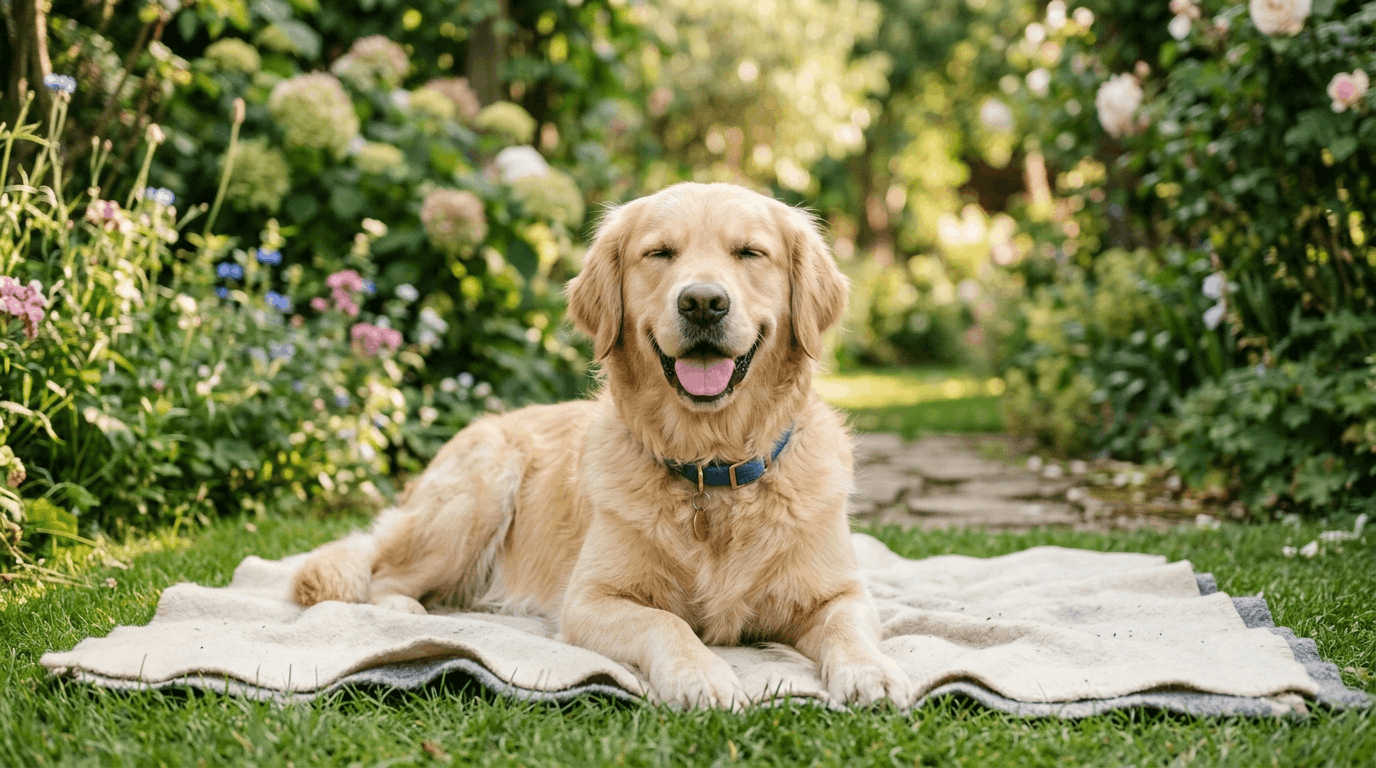
Every dog thrives on consistency, structure, and emotional security. While toys, treats, and affection are important, a predictable routine often plays the biggest role in creating long-term behavioral balance. Dogs feel safer when they understand what to expect throughout the day. Because of this, building a routine for a calm and happy dog can improve everything from obedience and emotional stability to digestion and sleep quality.
Many behavior problems actually develop from inconsistent schedules and lack of structure. Dogs that feel uncertain or overstimulated may bark excessively, chew destructively, pace constantly, or struggle to relax indoors. In contrast, dogs with healthy routines usually become more confident, emotionally stable, and easier to manage.
A good routine does not need to feel rigid or complicated. Instead, it should create healthy patterns involving feeding, exercise, mental stimulation, rest, training, and social interaction. Dogs naturally feel more secure when these activities happen consistently.
Different breeds and personalities may require different levels of activity and stimulation. However, every dog benefits from predictable structure and balanced daily habits.
Creating a calm lifestyle also helps owners enjoy their dogs more fully. Instead of reacting constantly to unwanted behavior, owners can guide healthy habits proactively through routine and consistency.
Why Dogs Need Daily Structure
Dogs are creatures of habit. Their bodies and minds respond strongly to repetition, which means predictable routines create emotional comfort naturally. A calm and happy dog often develops from an environment where daily expectations remain clear and consistent.
Unpredictable schedules may increase anxiety and overstimulation. Dogs that never know when walks, meals, or attention will happen sometimes become restless or overly demanding. Consequently, they may bark more, follow owners constantly, or struggle to settle calmly indoors.
Structure helps regulate energy levels as well. Dogs that exercise, eat, and rest consistently usually maintain healthier emotional balance throughout the day.
Routine also supports physical health. Regular feeding schedules improve digestion, while consistent sleep patterns help dogs recover mentally and physically from stimulation and activity.
Training becomes easier when incorporated into predictable routines. Dogs learn faster when commands and expectations remain consistent across daily situations.
Puppies especially benefit from structure because routines accelerate house training, improve sleep habits, and reduce confusion during early development.
Older dogs also thrive on routine because predictability creates emotional comfort and reduces stress as they age.
Consistency does not mean perfection. Even small efforts toward stable routines can create meaningful improvements in a dog’s behavior and emotional well-being over time.
Starting the Morning With Calm Energy
Morning routines strongly influence a dog’s behavior throughout the rest of the day. Dogs often wake up energetic and ready for interaction, so calm guidance during these early hours sets an important emotional tone.
A calm and happy dog usually benefits from a balanced start involving bathroom breaks, gentle activity, and predictable feeding schedules. Instead of creating chaotic excitement immediately, owners should encourage calmer transitions into the day.
Morning walks are especially valuable because they provide physical movement and mental stimulation early on. Sniffing new scents, exploring the environment, and stretching the body help dogs release energy naturally.
Feeding should also happen at relatively consistent times each morning. Predictable meal schedules support digestion while helping dogs feel secure about daily expectations.
Short training sessions fit naturally into morning routines as well. Practicing simple commands before breakfast often improves focus because dogs remain motivated and mentally engaged.
Owners should avoid unintentionally rewarding hyperactive behavior first thing in the morning. Calm greetings and steady interaction help dogs maintain better emotional balance.
Fresh water, gentle attention, and structured activity create a healthier start than overstimulation or inconsistent schedules.
Balancing Exercise and Mental Stimulation
Physical activity alone does not create a calm and happy dog. While exercise remains extremely important, mental stimulation plays an equally valuable role in emotional balance and healthy behavior.
Dogs need opportunities to think, solve problems, and engage their natural instincts daily. Without enough mental enrichment, boredom often leads to chewing, barking, pacing, or attention-seeking behavior.
Walks become more effective when dogs can sniff and explore instead of rushing constantly. Scent exploration provides mental exercise that tires the brain naturally.
Puzzle toys also help challenge dogs mentally while encouraging independent problem-solving. Food-dispensing toys, treat puzzles, and scent games all support healthier cognitive engagement.
Training sessions provide excellent mental stimulation because dogs focus on learning, communication, and reward-based interaction. Even five to ten minutes of practice daily can improve behavior significantly.
Interactive play matters too. Tug games, fetch, hide-and-seek, and obedience games strengthen emotional connection while helping dogs release energy positively.
However, overstimulation should also be avoided. Constant excitement without enough rest may increase hyperactivity rather than calmness. Balance remains extremely important.
Different dogs require different activity levels based on breed, age, personality, and health. Observing energy patterns helps owners create routines that support emotional stability more effectively.
The Importance of Rest and Quiet Time
Many owners focus heavily on exercise while overlooking the importance of rest. Yet proper relaxation is essential for maintaining a calm and happy dog throughout daily life.
Dogs need significant downtime to process stimulation and recover emotionally. Puppies especially require large amounts of sleep during development, while adult dogs also benefit from quiet periods during the day.
Overtired dogs often become more reactive, mouthy, hyperactive, or anxious. Consequently, excessive activity without adequate rest may actually worsen behavior problems instead of solving them.
Creating quiet spaces helps dogs relax more comfortably. Beds, crates, or calm corners provide safe areas where dogs can settle without constant interruption.
Calm background environments also support relaxation. Loud television, constant noise, or chaotic household activity may increase stress for sensitive dogs.
Owners should reward calm behavior regularly instead of giving attention only during excitement or demand behaviors. Praising relaxed moments teaches dogs that calmness itself has value.
Scheduled quiet periods throughout the day help dogs regulate emotions naturally while preventing overstimulation.
Feeding Schedules and Emotional Stability
Consistent meal timing contributes significantly to emotional and physical balance. Dogs often feel more secure when feeding happens predictably each day.
A calm and happy dog usually benefits from regular meal schedules because consistency supports digestion, energy regulation, and emotional comfort. Unpredictable feeding times may increase anxiety or food-related excitement in some dogs.
Balanced nutrition also affects behavior directly. Excessive treats, poor-quality food, or inconsistent diets may contribute to digestive discomfort or unstable energy levels.
Some dogs become overly excited before meals, especially food-motivated breeds. Calm feeding routines help prevent frantic behavior while encouraging patience and self-control.
Owners can also use mealtime for mental enrichment. Slow feeders, puzzle bowls, and food-dispensing toys encourage calmer eating while stimulating problem-solving skills.
Hydration matters equally. Fresh water should remain available consistently because dehydration may affect energy and comfort levels.
Feeding routines create opportunities for training as well. Asking dogs to sit calmly before meals reinforces impulse control naturally without adding extra stress.
Healthy feeding habits support both physical wellness and emotional regulation over time.
How Training Fits Into Daily Life
Training should not feel separate from everyday living. Instead, small training moments throughout the day help reinforce structure and communication naturally.
A calm and happy dog often develops through consistent daily guidance rather than occasional intense training sessions. Dogs learn continuously from interactions, routines, and household expectations.
Simple commands such as sit, stay, leave it, and come improve safety while creating better communication between owner and dog.
Short sessions usually work best. Five-minute training moments during walks, meals, or playtime help maintain focus without overwhelming the dog mentally.
Positive reinforcement strengthens trust while encouraging cooperation willingly. Treats, praise, and affection all help dogs associate good behavior with rewarding outcomes.
Consistency matters greatly. Mixed signals or changing rules often confuse dogs and slow learning progress.
Training also builds emotional confidence. Dogs that understand expectations usually feel safer and more secure navigating daily situations.
Calm correction and redirection work better than emotional reactions during mistakes. Dogs respond more effectively when owners remain patient and predictable.
Integrating training into normal routines creates more natural and sustainable learning over time.
Social Interaction and Emotional Health
Dogs are highly social animals that rely on interaction and connection for emotional wellness. Healthy social experiences contribute greatly to creating a calm and happy dog.
Time with owners remains one of the most important emotional needs for most dogs. Shared walks, play sessions, training, and quiet companionship all strengthen trust and emotional security.
Some dogs also benefit from controlled interaction with other dogs. Positive socialization can improve confidence while reducing fear or frustration in unfamiliar situations.
However, not every dog enjoys crowded dog parks or constant social activity. Emotional balance comes from quality interaction rather than overwhelming stimulation.
Puppies especially need positive exposure to different people, sounds, and environments during development. Gentle social experiences help create more adaptable adult dogs later.
Senior dogs may prefer calmer interaction and quieter routines as they age. Observing emotional comfort helps owners adjust social experiences appropriately.
Loneliness and boredom may contribute to anxiety or destructive behavior, particularly for dogs left alone frequently. Mental enrichment and predictable interaction help reduce these challenges significantly.
Emotional connection remains one of the strongest foundations for healthy canine behavior.
Evening Routines Help Dogs Settle
Evening routines strongly influence sleep quality and nighttime behavior. Dogs often respond best when the day ends calmly and predictably.
Late-night overstimulation may increase restlessness and make it harder for dogs to relax. Instead, gentle activity and calm interaction usually work better during evening hours.
Short evening walks provide bathroom opportunities while helping dogs release remaining energy naturally. Calm sniffing walks often support relaxation more effectively than highly stimulating play before bedtime.
A calm and happy dog also benefits from predictable sleeping arrangements. Dogs feel safer when bedtime routines remain consistent night after night.
Reducing household excitement gradually during the evening encourages emotional decompression. Lower noise levels and calmer interaction help signal that rest time is approaching.
Some dogs enjoy chewing toys or puzzle feeders quietly before bed because chewing naturally promotes relaxation.
Fresh water, comfortable sleeping areas, and emotional reassurance all support better sleep quality.
Consistent evening habits help dogs transition into restful states more smoothly while reducing nighttime anxiety or restlessness.
Adjusting Routines for Different Dogs
Every dog has unique emotional, physical, and mental needs. Therefore, routines should remain flexible enough to match the individual dog’s personality and lifestyle.
Highly energetic breeds may require more exercise and enrichment, while calmer dogs often prefer gentler activity and additional rest.
Puppies need frequent bathroom breaks, short training sessions, and more sleep than adult dogs. Meanwhile, senior dogs may require slower walks and extra joint support.
Rescue dogs sometimes need additional patience while adjusting to structure and predictability. Building trust gradually helps these dogs feel emotionally secure.
Weather conditions, work schedules, and health changes may also influence routines occasionally. Small adjustments are normal as long as overall consistency remains present.
Owners should observe body language and behavior carefully. Restlessness, destructive chewing, excessive barking, or pacing may signal that routines need adjustment.
The best routines support balance rather than perfection. Consistency, emotional connection, and healthy habits matter far more than rigid scheduling.
Creating Long-Term Happiness Through Routine
Building a routine for a calm and happy dog is one of the most effective ways to support long-term emotional and physical wellness. Dogs thrive when daily life feels predictable, balanced, and emotionally secure.
Healthy routines create stability through regular exercise, mental stimulation, training, feeding schedules, rest, and social interaction. Together, these habits help dogs feel safer, calmer, and more connected to their owners.
Many common behavior problems improve naturally once dogs receive consistent structure and balanced activity. Instead of reacting constantly to stress or overstimulation, dogs learn how to settle, focus, and relax more comfortably.
Routine also strengthens communication and trust. Dogs understand expectations more clearly when owners remain calm, predictable, and consistent throughout daily life.
Perfection is not necessary. Even gradual improvements in structure and consistency can create meaningful changes in behavior and emotional balance over time.
Ultimately, dogs do not simply need entertainment or exercise alone. They need guidance, stability, mental engagement, and emotional connection. By creating thoughtful daily habits, owners can help their dogs feel more relaxed, secure, confident, and genuinely happy every single day.
FAQ
1. Why does routine help dogs stay calm?
Routine creates predictability, which helps dogs feel emotionally secure and reduces stress or confusion.
2. How much exercise does a dog need daily?
Exercise needs vary by breed and age, although most dogs benefit from daily physical and mental activity.
3. Can routines improve bad behavior?
Yes. Consistent routines often reduce anxiety, boredom, and overstimulation that contribute to unwanted behavior.
4. Should dogs eat at the same time every day?
Yes. Predictable feeding schedules support digestion, emotional comfort, and healthier daily structure.
5. What helps dogs relax before bedtime?
Calm evening walks, quiet interaction, and consistent bedtime routines often help dogs settle more comfortably.

