
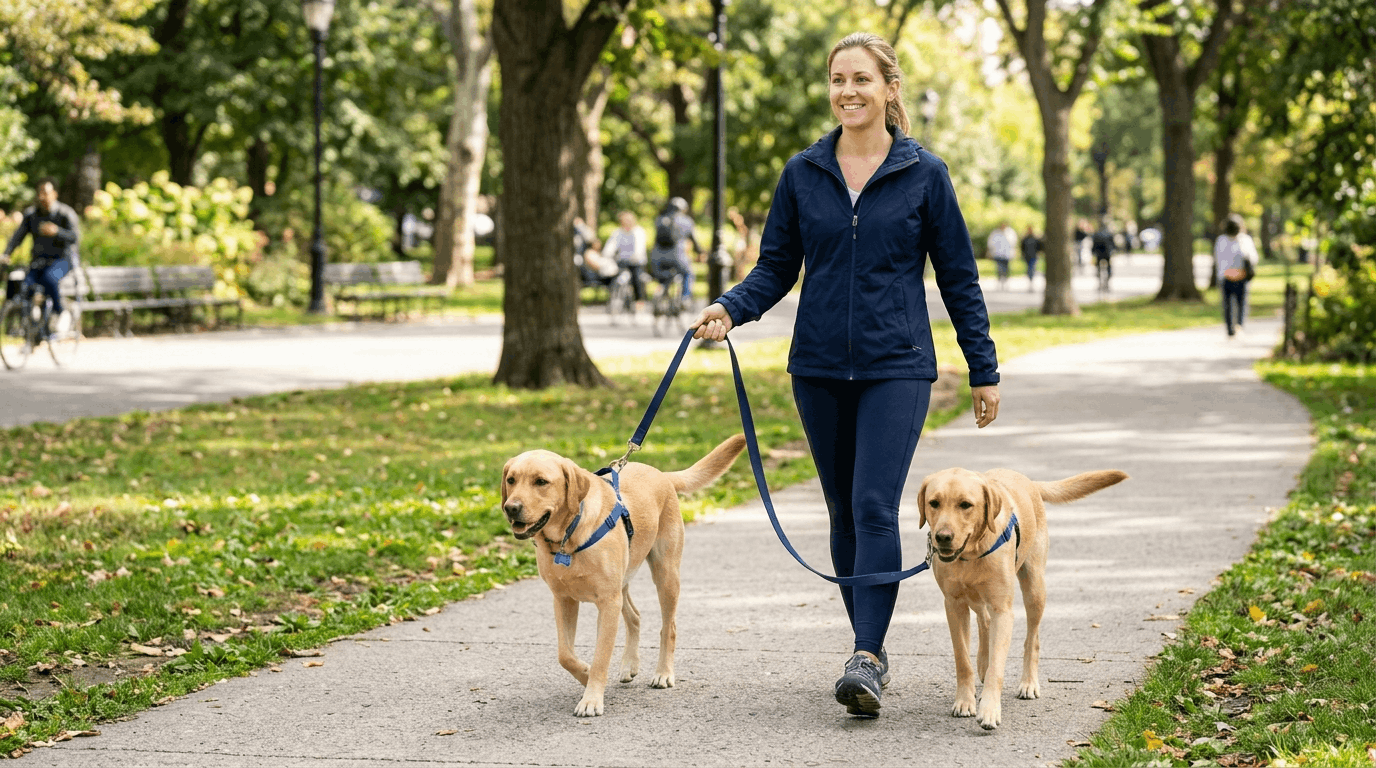
Walking a dog should feel enjoyable, calm, and rewarding for both the owner and the pet. However, many dog owners struggle with constant pulling, sudden lunging, zigzagging, or complete lack of focus during walks. Instead of feeling relaxing, walks sometimes become exhausting and frustrating. Fortunately, the right loose leash walking tips can help transform daily walks into calmer and more positive experiences over time.
Dogs naturally become excited outdoors because the environment is filled with smells, sounds, movement, and distractions. Without proper guidance, many dogs simply pull toward whatever captures their attention first. While this behavior is common, it can create stress, safety concerns, and reduced enjoyment for both the dog and the owner.
Loose leash walking does not mean forcing a dog into perfect heel position at all times. Instead, it teaches dogs to move calmly beside the owner without pulling excessively on the leash. This creates safer and more comfortable walks while improving communication and trust.
Many owners unknowingly reward pulling behavior without realizing it. Dogs learn quickly that pulling often leads them closer to interesting smells, people, or objects. Consequently, consistent training and patience become essential for long-term success.
Every dog can improve walking manners with the right techniques, equipment, and emotional support. Understanding why dogs pull and how to guide them calmly makes the training process much easier and more effective.
Why Dogs Pull on the Leash
Before applying loose leash walking tips, owners should understand why dogs pull in the first place. Most dogs are not trying to misbehave intentionally. Instead, pulling usually develops because it naturally works for them.
Dogs walk faster than humans and often feel excited outdoors. Smells, sounds, movement, and visual stimulation encourage them to rush forward constantly. If pulling successfully moves the dog closer to something interesting, the behavior becomes reinforced automatically.
Some dogs also pull because they have never learned another walking style. Puppies especially tend to move impulsively until consistent training teaches them better habits gradually.
Excitement plays a major role as well. High-energy dogs may become overstimulated quickly during walks, which reduces focus and increases pulling behavior.
Fear or anxiety can also contribute. Nervous dogs sometimes pull to escape uncomfortable situations or move away from stress triggers faster.
Improper equipment may worsen the issue too. Traditional collars can place uncomfortable pressure on the neck, which sometimes increases frustration instead of improving control.
Understanding the emotional cause behind pulling helps owners respond more effectively. Calm guidance and consistency work much better than punishment or frustration during leash training.
Choosing the Right Walking Equipment
The equipment owners choose can significantly influence walking behavior. While no harness or leash instantly fixes pulling, proper tools make training easier and safer.
Many loose leash walking tips begin with switching from a basic collar to a well-fitted harness. Harnesses distribute pressure more evenly across the body instead of concentrating force around the neck.
Front-clip harnesses often work especially well because they gently redirect dogs back toward the owner when pulling occurs. This creates softer communication without harsh leash corrections.
Lightweight harnesses with padding usually improve comfort for sensitive or hesitant dogs. Proper fit matters greatly because loose or restrictive harnesses may create discomfort that affects walking behavior negatively.
Standard leashes between four and six feet long usually provide the best balance between freedom and control. Retractable leashes often encourage pulling because they constantly reward forward tension.
Treat pouches can also improve training consistency by making rewards easier to access during walks.
Comfortable equipment helps both the dog and owner remain calmer throughout the training process. Consequently, walks become more productive and enjoyable overall.
Start Training in Low-Distraction Areas
Many owners expect dogs to behave perfectly in busy environments before building basic walking skills first. However, distractions make learning much harder during the early stages of leash training.
One of the most effective loose leash walking tips is starting in quiet environments where the dog can focus more easily. Backyards, quiet sidewalks, or empty parks usually work much better than crowded public spaces initially.
Dogs learn faster when they feel emotionally relaxed instead of overwhelmed by stimulation. Calm environments reduce excitement and improve attention during practice sessions.
Short training sessions often produce better results than long walks filled with frustration. Five to ten minutes of focused practice may improve behavior more effectively than an hour of uncontrolled pulling.
Owners should reward calm walking immediately during these early sessions. Dogs learn that staying close and keeping leash tension loose leads to positive outcomes.
Gradually increasing distractions helps dogs build confidence and reliability over time. Once the dog succeeds consistently in quiet areas, owners can slowly introduce busier environments.
Patience matters greatly during this stage because rushing progress often creates setbacks. Consistency and repetition build stronger long-term habits than intense correction or pressure.
Reward the Behavior You Want
Positive reinforcement is one of the most important loose leash walking tips because dogs repeat behaviors that produce rewarding outcomes.
Whenever the leash becomes loose, owners should reward the dog immediately with praise, treats, or calm encouragement. This teaches the dog that staying near the owner creates positive experiences.
Timing matters greatly. Rewards should happen while the leash remains loose so the dog clearly connects the reward with the correct behavior.
Many owners accidentally focus only on mistakes instead of reinforcing success. However, dogs learn faster when good choices receive consistent attention and encouragement.
Treat placement can also influence positioning. Delivering rewards beside the owner’s leg helps reinforce staying close during movement.
Verbal praise supports emotional confidence too. Cheerful tones often motivate dogs while strengthening communication and trust during training sessions.
Some dogs respond strongly to toys or movement instead of food. Owners should discover what motivates their individual dog most effectively.
Positive reinforcement creates calmer learning experiences because dogs focus on earning success rather than avoiding punishment.
Stop Rewarding Pulling Behavior
Dogs continue pulling because pulling often works. If pulling moves the dog closer to exciting smells, people, or destinations, the behavior becomes self-rewarding naturally.
One of the most essential loose leash walking tips involves removing the reward for pulling consistently. Whenever the leash becomes tight, owners should stop walking immediately instead of continuing forward.
Movement should resume only after the leash relaxes again. This teaches dogs that pulling does not help them reach their goals faster.
Consistency matters enormously here. If owners sometimes allow pulling and sometimes correct it, dogs become confused about expectations.
Sudden leash jerking should generally be avoided because harsh corrections may increase frustration or anxiety instead of teaching calm walking.
Changing direction calmly can also help redirect attention. When the dog pulls ahead, turning gently encourages the dog to focus back on the owner instead of forging forward impulsively.
Progress may feel slow initially, especially with strong pullers. Nevertheless, consistent responses gradually reshape walking habits over time.
Teach Focus During Walks
Dogs that constantly scan the environment often struggle with leash manners because distractions pull attention away from the owner continuously.
Teaching focus is one of the most valuable loose leash walking tips because attention creates better communication during movement.
Simple exercises such as rewarding eye contact help dogs learn that checking in with the owner produces positive outcomes. Practicing this indoors first often improves success outdoors later.
Using the dog’s name cheerfully during walks can also encourage brief moments of attention before distractions escalate fully.
Frequent rewards during calm focus help strengthen engagement. Dogs gradually begin viewing walks as shared experiences instead of independent exploration missions.
Movement games also improve focus. Briefly changing direction, slowing pace, or stopping unexpectedly encourages dogs to pay closer attention to the owner’s movements naturally.
However, owners should avoid overwhelming dogs with nonstop commands. Calm interaction and positive reinforcement usually create better engagement than excessive correction.
Attention improves gradually through repetition and consistency rather than force.
Managing Excitement Before Walks
Many dogs begin pulling before the walk even starts because excitement levels become too high during preparation. Barking, spinning, whining, and jumping often signal emotional overstimulation.
Calm preparation routines are extremely important when applying loose leash walking tips successfully.
Owners should avoid unintentionally rewarding frantic behavior before walks. Waiting for calm sitting or quiet behavior before attaching the leash teaches emotional control naturally.
Short pauses during preparation help dogs settle mentally instead of rushing directly into stimulation.
Some dogs benefit from brief training exercises indoors before heading outside. Practicing sit, stay, or eye contact helps create focus and emotional balance.
Excited energy from owners may also increase overstimulation. Calm movement and steady handling usually help dogs relax more effectively.
Predictable routines reduce anxiety and emotional intensity because dogs understand what to expect.
A calmer beginning often leads to calmer behavior throughout the rest of the walk.
Helping Reactive or Nervous Dogs
Not all pulling comes from excitement alone. Some dogs pull because they feel anxious, fearful, or reactive around triggers such as other dogs, traffic, or unfamiliar people.
These situations require patience and emotional support alongside loose leash walking tips focused on confidence-building.
Creating distance from triggers helps nervous dogs remain calm enough to learn. Overwhelming exposure often increases pulling and emotional stress.
Owners should reward calm observation from safe distances rather than forcing interaction or confrontation.
Front-clip harnesses can improve control gently without increasing physical discomfort during reactive moments.
Body language matters greatly too. Tight leash tension and nervous handling may unintentionally increase canine anxiety.
Dogs recovering from fear-based behavior often need slower progress and more emotional reassurance during walks.
Professional positive reinforcement trainers may also help owners manage severe reactivity or anxiety safely.
The Importance of Consistency
Loose leash walking rarely improves overnight. Dogs learn through repetition, consistency, and predictable consequences over time.
One of the most overlooked loose leash walking tips is simply remaining patient and consistent every single walk. Mixed expectations often confuse dogs and slow progress significantly.
Every family member should follow similar walking rules whenever possible. Inconsistent handling creates uncertainty and makes learning harder for the dog.
Small improvements deserve recognition. A few calm steps with a loose leash may represent meaningful progress for dogs with strong pulling habits.
Owners should also remain realistic about distractions. Even well-trained dogs may struggle occasionally in highly stimulating environments.
Progress often happens gradually rather than perfectly. Consistent practice builds stronger habits step by step over time.
Dogs thrive when owners provide calm leadership, emotional stability, and clear communication throughout training.
Building Better Walks for Life
Walking should strengthen the relationship between dogs and their owners rather than becoming a daily struggle. While pulling behavior feels frustrating initially, most dogs can improve significantly through patience, consistency, and positive training techniques.
The best loose leash walking tips focus on communication, emotional balance, and rewarding calm behavior instead of relying on force or punishment. Dogs learn more effectively when they feel safe, understood, and supported throughout the training process.
Proper equipment, low-distraction practice areas, consistent reinforcement, and calm routines all contribute to long-term success. Small adjustments in handling often create meaningful improvements over time.
Owners should remember that walking skills develop gradually. Every calm step, moment of focus, and relaxed leash represents progress worth building upon.
Dogs naturally explore the world enthusiastically, which means occasional excitement remains normal. The goal is not robotic perfection but calmer, safer, and more enjoyable walks overall.
With patience and steady guidance, even strong pullers can learn to walk more comfortably beside their owners. As trust and communication improve, daily walks often become more relaxing, rewarding, and emotionally connected for both the dog and the person holding the leash.
FAQ
1. Why does my dog keep pulling during walks?
Dogs usually pull because excitement, curiosity, or previous success taught them that pulling helps them move forward.
2. Are harnesses better than collars for leash training?
Many dogs respond better to harnesses because they reduce neck pressure and improve comfort during walks.
3. How long does loose leash training take?
Training time varies depending on consistency, the dog’s personality, and previous walking habits.
4. Should I stop walking when my dog pulls?
Yes. Stopping movement helps teach dogs that pulling does not lead them closer to what they want.
5. Can older dogs still learn better leash manners?
Absolutely. Older dogs can improve walking behavior with patience, consistency, and positive reinforcement.

