
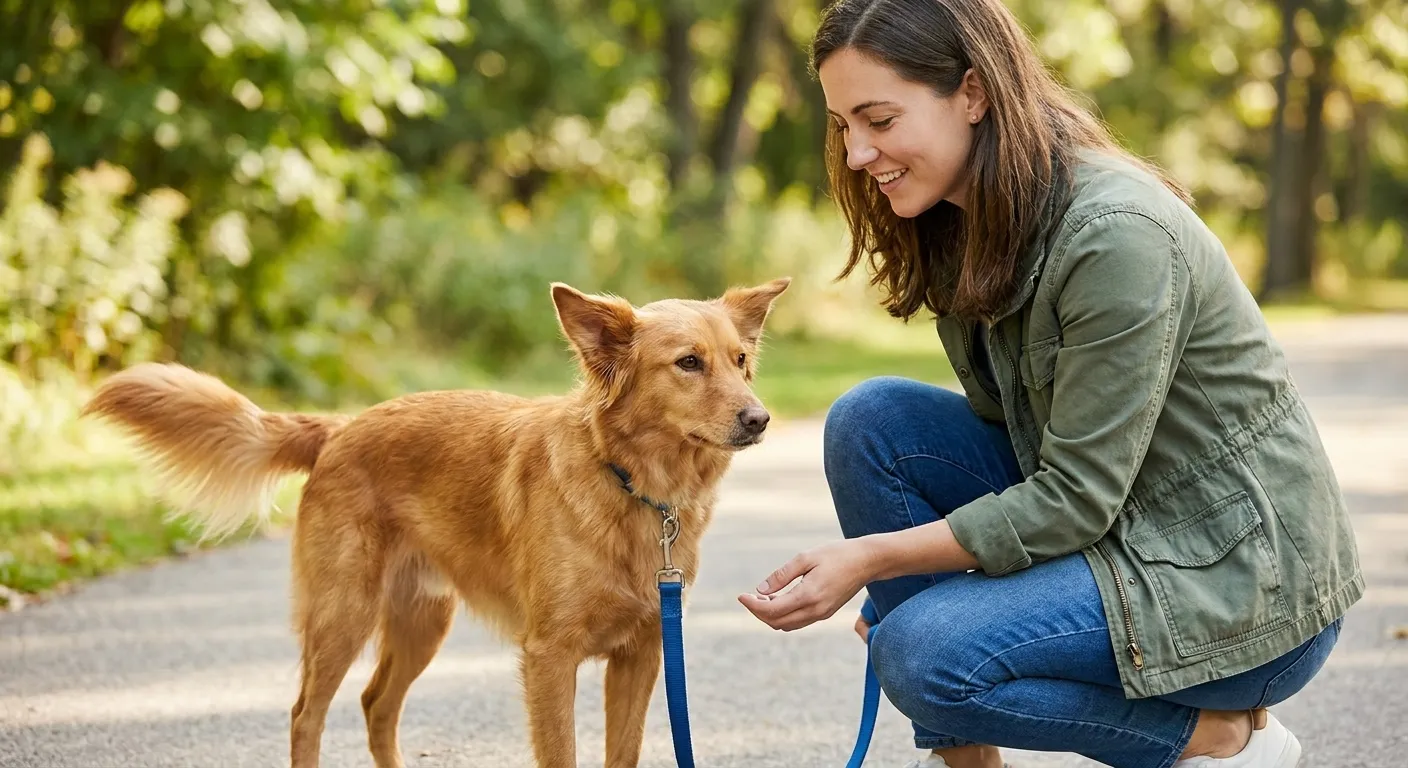
As devoted dog owners, we naturally strive to understand our furry companions. This understanding becomes especially vital during our daily walks. Learning to interpret dog body language on walks allows us to anticipate potential challenges, ensure their safety, and significantly deepen our bond. Dogs communicate constantly through their posture, tail movements, ear positions, and intricate facial expressions. Consequently, they offer a rich tapestry of information about their comfort level and emotional state. Being attuned to these subtle cues is fundamental to being an empathetic and effective companion.
Moreover, recognizing these signals empowers us to create more positive and enriching experiences for our dogs. Every wag, every glance, and every shift in weight tells a story. By becoming fluent in this unspoken language, we can better meet their needs. This attentiveness builds a foundation of trust and mutual respect, which is essential for a thriving relationship. Therefore, let’s explore the fascinating world of canine communication during outdoor adventures.
The Nuances of Dog Body Language on Walks
Consider a dog’s tail, for instance. A loose, mid-level wag often indicates happiness and friendliness. However, a stiff, high tail wag might signal arousal or tension, not necessarily joy. A tucked tail, on the other hand, clearly indicates fear or submission. Similarly, ears pinned back could mean fear or appeasement, while perked, forward ears show interest or alertness. Pay close attention to their overall body tension: a relaxed dog has soft eyes and a fluid gait. Conversely, a stiff body, wide eyes, or a furrowed brow can indicate discomfort, stress, or a readiness to react. These signals are particularly important when encountering other dogs or people. Understanding these subtle indicators is key to interpreting your dog’s feelings.
Furthermore, the speed and amplitude of a tail wag provide additional insights. A rapid, almost vibrating tail might suggest excitement or anxiety, depending on other accompanying signals. A slow, tentative wag could indicate uncertainty. It’s crucial not to isolate one signal but to observe the entire picture. For example, a dog with a wagging tail but a stiff body and averted gaze might not be as friendly as their tail suggests. Observing how your dog uses their tail is a vital part of understanding their communication.
Reading Facial Expressions and Eye Contact
A dog’s face is a window to their soul, offering a wealth of information about their current state. Soft, almond-shaped eyes usually indicate a relaxed and happy dog. Conversely, wide,
Explore more: More from Expert Dog Walking Tips

