
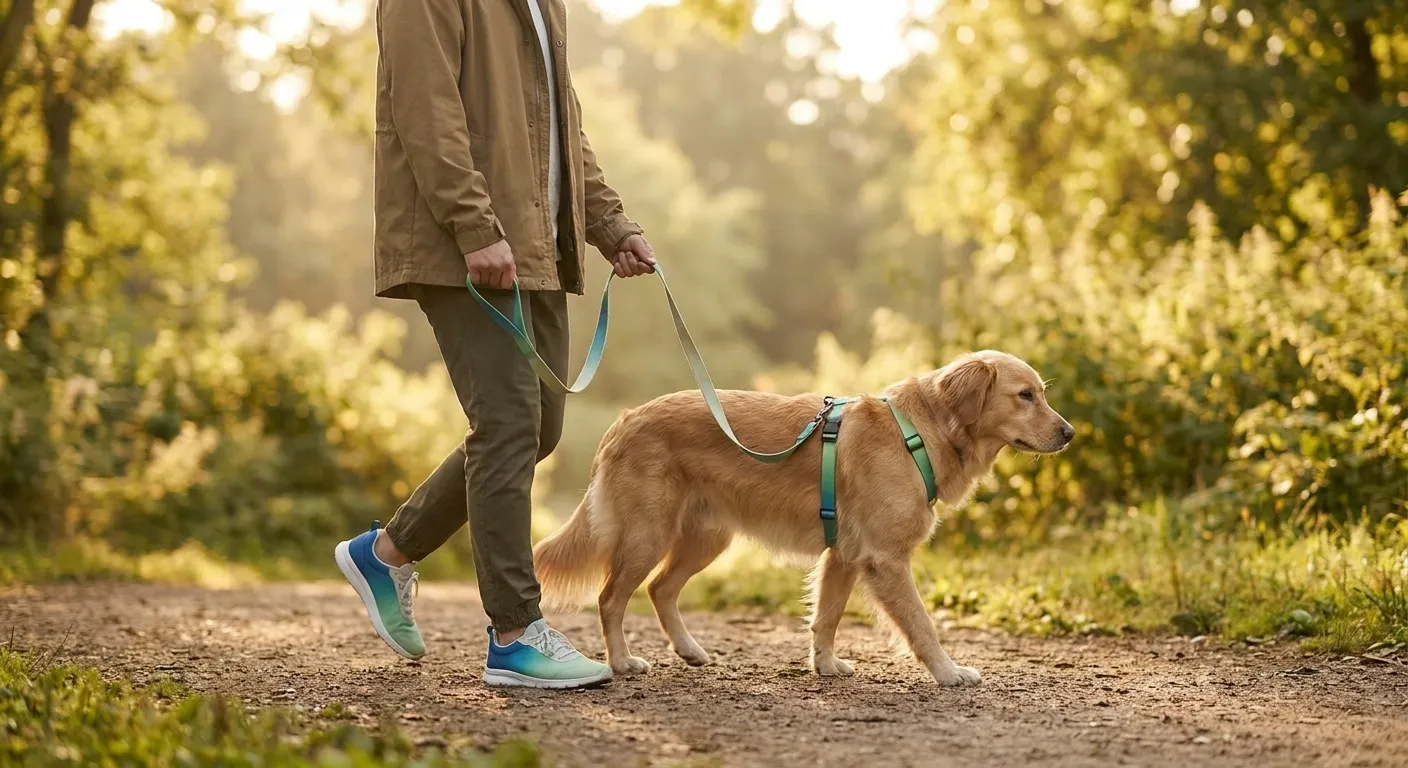
Dreaming of peaceful walks where your dog trots calmly by your side, even with squirrels and other dogs around? It’s entirely possible with consistent training and the right loose leash walking tips. A relaxed walk benefits both of you, reducing stress and increasing enjoyment. Let’s explore how to achieve that harmonious stroll, making every outing a joyful adventure rather than a tug-of-war.
Mastering Loose Leash Walking Tips: The Basics
The foundation of loose leash walking begins with positive reinforcement. Indeed, this approach builds trust and makes learning fun for your furry friend. Start in a low-distraction environment, perhaps your quiet backyard or a calm indoor space. When your dog walks beside you with a loose leash – meaning there’s no tension, forming a gentle ‘J’ shape – mark that behavior (with a verbal cue like ‘yes’ or a clicker) and immediately reward them with a high-value treat. For instance, a small piece of cheese or cooked chicken often works wonders. This helps your dog connect the feeling of a loose leash with something positive.
If the leash tightens, stop walking immediately. This simple action teaches your dog that pulling gets them nowhere; forward motion ceases when tension appears. Only resume walking when the leash slackens again, even for a moment. Consistency is absolutely key here; every time the leash is tight, stop. Conversely, every time it’s loose, reward generously. Practice short sessions frequently, perhaps 5-10 minutes a few times a day, to build this habit effectively. Remember, patience is a virtue, and celebrating small victories will keep both you and your dog motivated.
Understanding Your Dog’s Motivation
To truly master loose leash walking, it’s helpful to understand why dogs pull in the first place. Often, it’s simply because they want to get somewhere faster, driven by exciting smells or sights. For many dogs, pulling has been inadvertently rewarded because it gets them to their desired destination quicker. Therefore, we need to shift their perception. We want them to understand that walking politely by your side, with a slack leash, is what makes the walk continue and brings them closer to those interesting smells and sights. Consequently, the ‘stop-and-go’ method is incredibly effective.
Furthermore, ensure your dog is getting enough physical and mental exercise outside of leash training. A dog with pent-up energy is more likely to pull. Consider incorporating playtime with interactive toys or engaging in some brain games before your training walk. This can significantly improve their focus and reduce their urge to rush ahead. A tired dog is often a more attentive student, after all.
Addressing Distractions on Your Walks
Once your dog understands the concept of loose leash walking in a quiet setting, it’s time to introduce distractions gradually. Begin with minor distractions, like walking past a parked car or a quiet bush, and slowly increase the challenge. For example, move to a slightly busier park or a street with a few people. When you anticipate a distraction – perhaps you see another dog approaching in the distance – be ready with treats. As your dog notices the distraction, call their name and reward them for looking at you instead of pulling towards the distraction. This teaches them to check in with you, even when exciting things are happening around them.
If they still pull, calmly stop and wait for the leash to loosen before moving on. There’s no need for scolding or harsh corrections; simply remove the forward momentum. Another powerful technique is to frequently change directions. When your dog is focused on you to anticipate the next turn, they’re less likely to pull towards external stimuli. These loose leash walking tips help your dog learn that focusing on you, even amidst exciting sights and smells, leads to positive outcomes and continues the adventure.
Building Engagement Beyond Treats
While treats are fantastic for initial training, building a strong bond and engagement with your dog is equally vital for consistent polite walking. Use your voice, praise, and even quick games to keep their attention. For instance, periodically say

