
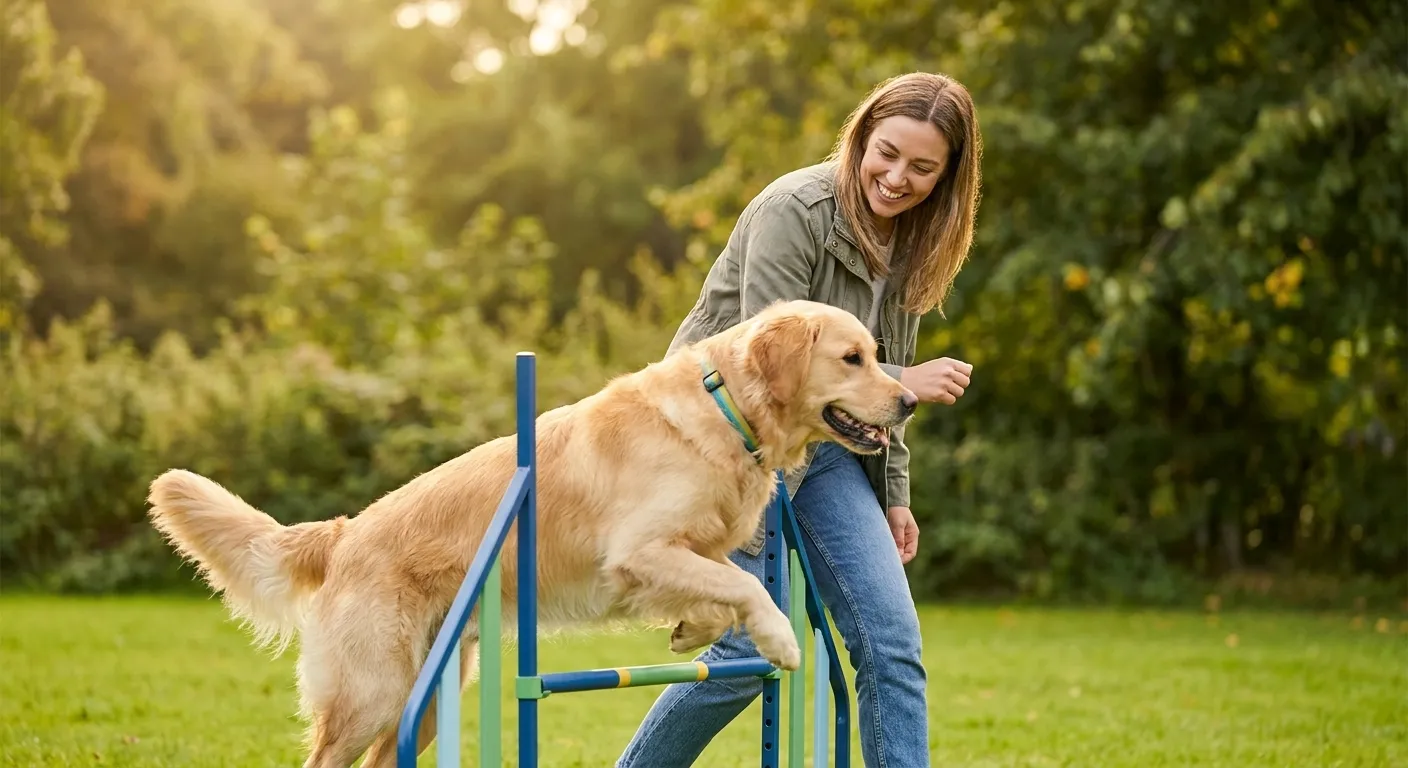
While a daily walk is a fundamental part of a dog’s life, truly understanding your dog exercise needs goes much deeper than simply circling the block. Just like humans, dogs require specific types and amounts of physical activity tailored to their breed, age, and individual temperament. Meeting these needs is crucial for their physical health, mental well-being, and overall happiness. In fact, providing appropriate exercise is one of the most loving things you can do for your canine companion. It fosters a strong bond and prevents many common behavioral challenges.
Decoding Your Dog’s Exercise Needs by Breed and Age
Different breeds were developed for different purposes, which directly impacts their inherent exercise requirements. High-energy working breeds like Border Collies, Siberian Huskies, or Golden Retrievers, for instance, often need substantial daily exercise – think long runs, challenging hikes, or engaging dog sports – to stay happy and prevent destructive behaviors. Conversely, brachycephalic (flat-faced) breeds such as French Bulldogs or Pugs have lower stamina and can overheat easily, requiring shorter, less intense walks, especially in warm weather. Therefore, understanding your specific breed’s predispositions is a vital first step in tailoring their routine.
Age is another significant factor. Puppies need frequent, short bursts of play and exploration rather than long, strenuous walks to protect their developing joints. Their boundless energy often makes us think they need endless activity, but moderation is key during growth. Senior dogs might benefit from gentle, shorter strolls, perhaps multiple times a day, to maintain mobility without overexertion. Furthermore, for older dogs, swimming can be an excellent low-impact activity that supports their joints. Understanding your dog’s exercise needs helps you provide appropriate activities that truly benefit them at every stage of life.
Tailoring Activity to Individual Temperament and Health
Even within the same breed, individual dogs can have vastly different energy levels and personalities. Some dogs are natural athletes, while others are content with a more relaxed pace. Observing your dog’s specific responses to various activities is crucial. For example, a shy dog might prefer quiet walks over a bustling dog park. Similarly, a dog recovering from an injury or managing a chronic health condition will have modified physical activity requirements. Always consult your veterinarian to ensure any new exercise regimen is safe and beneficial for your dog’s unique health profile. They can offer personalized advice on your dog exercise needs.
Moreover, consider factors like your dog’s weight. Overweight dogs benefit from a gradual increase in activity, combined with dietary adjustments, to safely reach a healthy weight. Conversely, underweight dogs might need careful monitoring to ensure they’re not expending too much energy without adequate caloric intake. Our goal is always to find a balance that supports their overall health and vitality.
Beyond the Walk: Mental and Physical Enrichment for Your Canine
It’s important to remember that exercise isn’t just about physical exertion; mental stimulation plays an equally vital role. Incorporate activities that engage your dog’s mind, such as puzzle toys, scent work, or training sessions that teach new tricks. These can be just as tiring as a physical workout and are excellent ways to manage energy, especially on days when long walks aren’t feasible. In fact, mental enrichment can often prevent boredom-induced destructive behaviors more effectively than purely physical activity. Consider teaching new commands or practicing existing ones in novel environments to keep things fresh and engaging.
Off-leash play in a secure area, if appropriate for your dog, allows for natural running and social interaction. Always ensure the area is safe and your dog has reliable recall before letting them off-leash. Swimming, fetch, and agility courses are also fantastic ways to provide varied physical and mental challenges. These activities tap into different muscle groups and provide diverse sensory experiences. For instance, swimming is excellent for joint health, while agility builds coordination and focus. These alternatives are vital for fulfilling your dog’s exercise needs.
Creative Ways to Meet Daily Activity Goals
Sometimes, traditional walks aren’t enough or aren’t always possible. Fortunately, there are many creative ways to ensure your dog gets enough activity. Consider ‘flirt poles’ for high-energy dogs, which mimic prey movement and offer a fantastic workout in a small space. Likewise, playing ‘hide-and-seek’ with treats or toys indoors can provide mental stimulation and some physical movement. Even simple games like ‘find it’ using their kibble scattered around a room can make mealtime an enriching experience. These methods are particularly useful during inclement weather or if you have limited outdoor space. They all contribute to meeting your dog exercise needs.
Furthermore, exploring new routes for walks can make a huge difference. Dogs love novelty! Changing up your walking path offers new smells and sights, which are incredibly stimulating for their keen senses. Visiting a dog-friendly park, a local trail, or even a different neighborhood can turn a routine walk into an exciting adventure. This variety helps prevent boredom and keeps your dog engaged with their environment. Always remember to check local regulations regarding dogs in public spaces.
Recognizing Signs of Under or Over-Exercised Dogs
Observing your dog for signs of being under- or over-exercised is crucial for maintaining their well-being. A dog that isn’t getting enough activity might exhibit destructive behaviors like chewing furniture, excessive barking, digging, or even house-soiling. They might also appear restless, constantly seeking attention, or seem generally bored. These behaviors are often their way of telling us their needs aren’t being met. Addressing these underlying dog exercise needs can often resolve behavioral issues.
On the other hand, an over-exercised dog might show signs of lethargy, lameness, stiffness, or reluctance to move. They might also pant excessively, especially long after activity has ceased. Puppies and senior dogs are particularly susceptible to overexertion. It’s important to differentiate between healthy tiredness and genuine fatigue or pain. If you notice any concerning symptoms, it’s always best to consult your veterinarian. Adjust their routine accordingly, always prioritizing their comfort and safety. Monitoring these signs helps you fine-tune your approach to their activity levels.
The Importance of Gradual Progression and Rest
Just like human athletes, dogs need appropriate warm-ups and cool-downs, especially before and after vigorous activity. A short, leisurely walk before a run can prepare their muscles, and a gentle cool-down helps prevent stiffness. Moreover, rest days are just as important as active days. Allowing your dog time to recover helps prevent injuries and ensures their body can repair itself. Think about their weekly schedule; it doesn’t have to be high-intensity every single day. A balanced approach to their physical activity is key for long-term health and happiness. This mindful approach truly supports your dog’s exercise needs.
For example, if your dog enjoys intense fetch sessions, intersperse these with calmer activities like a sniffari (a walk focused on smelling) or a relaxed training session. This variation keeps them mentally and physically stimulated without constant high impact. Remember, consistency is more important than intensity. A moderate, regular routine will yield better results than sporadic bursts of extreme activity. For dogs who love to explore, consider investing in ID tags & GPS trackers for added peace of mind during their adventures.
Hydration and Safety During Exercise
Proper hydration is non-negotiable, especially during and after exercise. Always carry fresh water for your dog, particularly during warmer weather or longer outings. Dehydration can quickly lead to serious health issues. Consider a portable dog water bottle or a collapsible bowl to make this easy. Similarly, being aware of environmental factors is crucial. Hot pavement can burn paw pads, and extreme cold can lead to hypothermia. The American Kennel Club offers excellent resources on preventing heatstroke in dogs.
Safety gear also plays a vital role. A well-fitting harness or collar and a sturdy leash are fundamental. For walks in low light, reflective gear or safety vests can significantly improve visibility. Always be aware of your surroundings and potential hazards, such as traffic, other dogs, or wildlife. Equipping yourself with knowledge and the right tools ensures that exercise time is safe and enjoyable for both of you. This careful preparation is part of responsibly managing your dog exercise needs.
The Positive Impact of Meeting Your Dog’s Activity Requirements
Meeting your dog’s activity requirements goes far beyond just tiring them out. It significantly contributes to their overall quality of life. Regular physical activity helps maintain a healthy weight, reducing the risk of obesity-related health problems like diabetes, joint issues, and heart disease. It also strengthens their cardiovascular system and builds strong muscles and bones. Mentally, adequate exercise reduces anxiety, boredom, and stress, leading to a calmer, happier dog. A well-exercised dog is generally a well-behaved dog.
Furthermore, shared activities strengthen the bond between you and your pet. Whether it’s a brisk walk, a game of fetch, or a training session, these moments create positive associations and build trust. You’ll learn to read your dog’s cues better, and they’ll learn to rely on you for guidance and fun. This deepens your connection, making your relationship more rewarding. By taking a comprehensive approach to your dog’s activity levels, you’re not just ensuring they’re tired; you’re nurturing a balanced, healthy, and joyful companion. For more insights on canine care, check out our blog.
Long-Term Benefits for Both Dog and Owner
The benefits of understanding and fulfilling your dog exercise needs extend to you, the owner, as well. Regular walks and playtime provide you with physical activity, fresh air, and stress relief. Spending time outdoors with your dog can boost your mood and provide opportunities for social interaction with other dog owners. It’s a fantastic way to stay active and connected to your community. This mutual benefit makes the effort even more worthwhile.
Ultimately, investing time and thought into your dog’s exercise routine is an investment in their happiness and longevity. It’s about providing them with a fulfilling life that respects their natural instincts and physical capabilities. Every dog is unique, and discovering what truly makes your dog thrive through movement and mental engagement is a rewarding journey. Remember that the journey of understanding your dog’s specific needs is ongoing, and it’s one of the most fulfilling aspects of pet parenthood. For further reading, the ASPCA offers great advice on exercising your dog.
Conclusion
Understanding your dog’s exercise needs is a cornerstone of responsible pet ownership. It’s a nuanced process that considers breed, age, individual temperament, and health. Moving beyond a one-size-fits-all approach allows us to provide targeted, beneficial activities that support both their physical health and mental well-being. By incorporating varied physical exercise, engaging mental stimulation, and prioritizing safety, we empower our dogs to live their happiest, healthiest lives. Remember, a well-exercised dog is a joy to live with, fostering a deeper, more harmonious relationship. Let’s embrace the adventure of discovering what truly makes our dogs thrive!
FAQ: Common Questions About Canine Activity
How much exercise does a dog need daily?
The amount of exercise a dog needs daily varies greatly. Factors like breed, age, and individual energy levels play a huge role. For instance, a high-energy working breed might need 1-2 hours of vigorous activity, while a senior small breed might be content with 30 minutes of gentle strolling. It’s about quality and type, not just duration.
What are good ways to mentally stimulate my dog?
Excellent ways to mentally stimulate your dog include puzzle toys, scent work (like hiding treats for them to find), learning new tricks, or practicing obedience in new environments. These activities can be just as tiring as physical exertion and help prevent boredom and destructive behaviors.
Can a dog get too much exercise?
Yes, a dog can definitely get too much exercise. Signs of over-exercising include excessive panting, lameness, stiffness, lethargy, or reluctance to move. Puppies and senior dogs are particularly susceptible to overexertion. Always monitor your dog and provide rest days as needed.
How can I exercise my dog indoors?
Indoor exercise options include playing fetch in a hallway, hide-and-seek with treats, using flirt poles, practicing obedience training, or engaging them with interactive toys. These are great alternatives for bad weather days or when outdoor space is limited.
Does walking fulfill all a dog’s activity requirements?
While walking is a fundamental part of a dog’s routine, it often doesn’t fulfill all their activity requirements. Many dogs benefit from varied activities that engage different muscle groups and provide mental stimulation, such as running, swimming, dog sports, or puzzle-solving. A comprehensive approach is best.

