
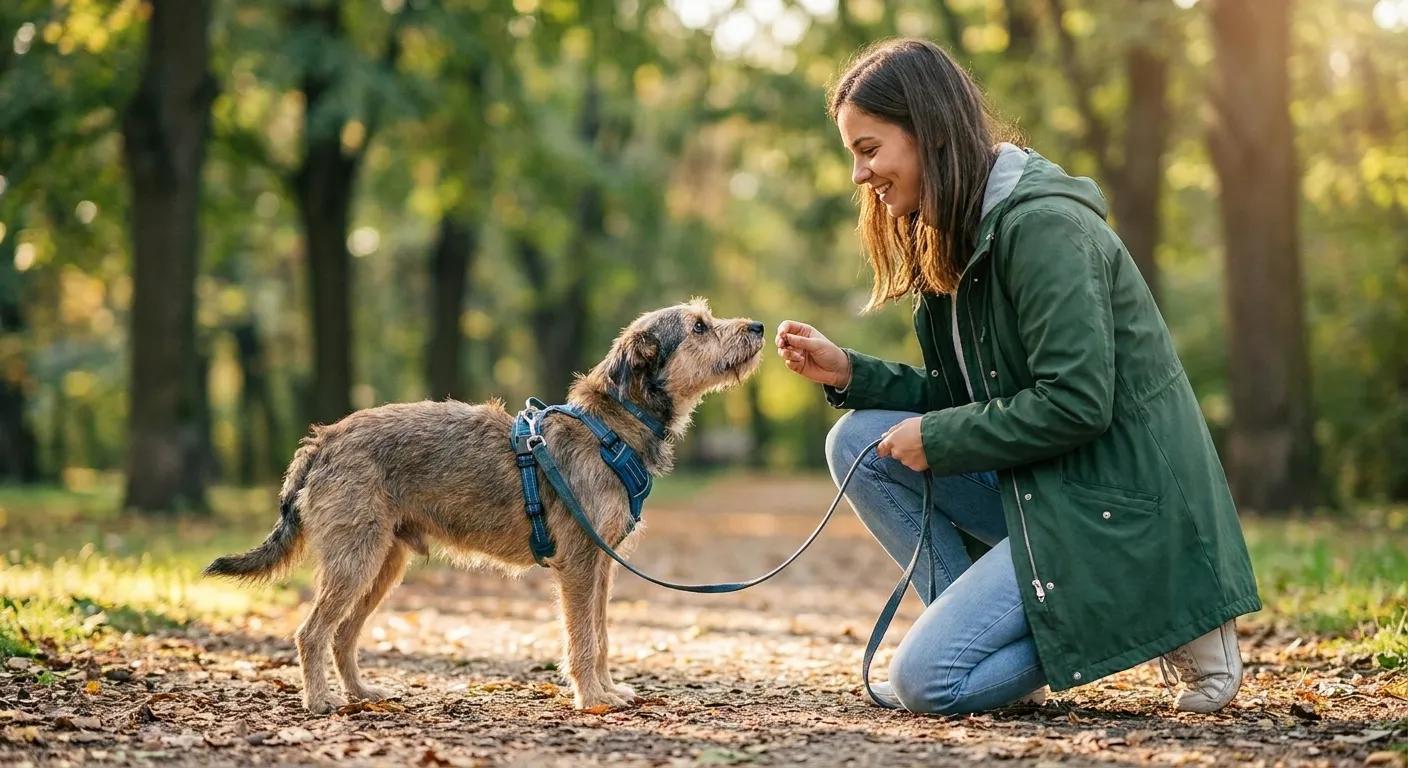
In our often-rushed lives, it’s easy to hurry through a dog walk, prioritizing distance or speed. However, embracing the art of slow dog walking can profoundly enhance your dog’s mental enrichment and overall well-being. It’s an invitation to pause, engage their primary sense, and let them truly experience their world at their own pace.
Why Slow Dog Walking is a Sensory Feast
Dogs experience the world primarily through their noses, a remarkable sense that is far more powerful than our own. A brisk walk, while excellent for physical exercise, often doesn’t allow enough time for this crucial sensory exploration. Slow dog walking, on the other hand, prioritizes sniffing. Every lamp post, patch of grass, and crack in the pavement tells a complex story through scent. Your dog can decipher who has been there, what they ate, their mood, and so much more. This ‘olfactory enrichment’ is incredibly stimulating and mentally tiring for dogs, often more so than physical exertion.
Furthermore, this focused sniffing helps reduce stress, builds confidence, and satisfies their innate desire to forage and explore. For reactive or anxious dogs, focusing on sniffing can be a powerful calming mechanism. It redirects their attention away from potential triggers and grounds them firmly in the present moment. Think of it as letting them read their daily newspaper, filled with fascinating local news and updates.
The Science Behind Canine Olfaction
A dog’s nose is an evolutionary marvel. They possess up to 300 million olfactory receptors, compared to our mere 6 million. Moreover, the part of their brain dedicated to analyzing smells is proportionally 40 times larger than ours. This incredible ability means they process a world of information that we can barely comprehend. When a dog engages in a leisurely sniff, they are not just smelling; they are analyzing, interpreting, and learning. This cognitive effort is incredibly beneficial for their brain health and can prevent boredom and destructive behaviors at home. For more on engaging your dog’s mind, consider exploring puzzle toys.
Practicing Mindful Sniffari Walks
Incorporating slow dog walks, often called ‘sniffaris,’ into your routine is quite simple. First, dedicate specific portions of your walk to allowing your dog to sniff freely. This means letting them lead (within safe boundaries), stopping for as long as they need at an interesting scent, and not pulling them away prematurely. Consequently, you are giving them agency and respecting their natural instincts.
Second, use a longer leash, ideally 6-10 feet, to give them more freedom to explore without feeling constrained. This extra slack allows them to investigate scents a bit further off the path without you having to follow their every move. Additionally, choose routes with plenty of natural elements – grassy verges, wooded paths, or even just areas with diverse plant life. These environments offer a richer tapestry of scents than paved urban areas.
During these ‘sniffari’ segments, you can practice mindfulness yourself. Observe your dog’s focused engagement and take a break from your own mental chatter. While physical exercise is important, balancing it with these mentally stimulating slow walks provides a more holistic approach to your dog’s health. You’ll likely find your dog returning home more content, relaxed, and happy after a good sniffing session, proving that a slower pace can lead to deeper satisfaction.
Setting Up for a Successful Sniffari
- Choose the Right Gear: A comfortable harness is preferable to a collar for sniffaris, as it reduces pressure on your dog’s neck if they pull while investigating a scent. A longer leash, as mentioned, is also key.
- Time it Right: Consider taking your sniffaris at times when your chosen route is less crowded. This minimizes distractions for your dog and allows them to focus fully on their olfactory adventure.
- Be Patient: Remember, the goal is not distance or speed. It’s about allowing your dog to explore. Be prepared to stop frequently and for extended periods.
- Observe and Learn: Pay attention to what your dog finds interesting. This can give you insights into their preferences and help you choose even better sniffari locations in the future.
The Profound Benefits of a Slower Pace
Beyond the immediate joy your dog experiences, embracing slow dog walking offers a cascade of long-term benefits. For instance, it significantly reduces stress and anxiety. Dogs, like humans, can feel overwhelmed by a fast-paced environment. Giving them control over their exploration and allowing them to engage their natural instincts provides a calming outlet. This can be especially helpful for dogs with separation anxiety or those prone to overstimulation.
Furthermore, consistent sniffaris build confidence. When a dog is allowed to make choices and successfully navigate their environment through scent, they develop a stronger sense of self-efficacy. This empowerment can translate into a more secure and resilient companion. It also strengthens your bond, as you become a partner in their exploration rather than just a guide. This shared experience deepens trust and mutual understanding. For ways to further strengthen your bond through play, consider interactive toys.
Addressing Common Misconceptions
Some pet parents might worry that slow dog walking isn’t enough exercise. It’s true that physical exertion is vital, but mental exercise is equally important. Think of it like this: a marathon runner needs physical training, but a chess player needs intense mental stimulation. Dogs need both. A sniffari provides a different kind of workout, one that engages their brain and can leave them just as tired, if not more so, than a vigorous run. The key is balance.
Another concern might be that allowing free sniffing encourages pulling on the leash. However, when done intentionally as a dedicated ‘sniffari,’ it teaches your dog that there are specific times for focused exploration and times for structured walking. You can train a clear cue to indicate when it’s ‘sniff time’ and when it’s ‘walk nicely time.’ This distinction helps your dog understand expectations and can actually improve overall leash manners.
Integrating Sniffaris into Your Daily Routine
You don’t need to dedicate every walk to a sniffari. A balanced approach works best for most dogs and their owners. For example, you could start your day with a brisk walk for physical exercise, then enjoy a leisurely sniffari in the afternoon or evening. Alternatively, you might designate certain days of the week specifically for longer, scent-focused expeditions.
Consider your dog’s individual needs and preferences. An older dog might benefit from more frequent, shorter sniffaris, while a high-energy breed might need longer physical exercise combined with a dedicated sniffing session. The beauty of slow dog walking is its flexibility. It adapts to you and your furry friend, creating a personalized enrichment experience. For more expert insights and ideas, feel free to explore our blog.
Beyond the Walk: Other Scent Enrichment Ideas
The principles of scent enrichment extend beyond the leash. You can incorporate scent work into your home routine as well. Consider hiding treats around the house for your dog to find, playing ‘find it’ games with their favorite toys, or even using specialized chew toys that dispense treats as they work. These activities reinforce the positive aspects of using their nose and provide mental stimulation even on days when a long sniffari isn’t possible.
You can also use scent trails in your yard, dragging a treat along the grass to create a path for your dog to follow. This is a fantastic way to build their confidence and engage their natural tracking abilities. Remember, the goal is to provide opportunities for your dog to use their most powerful sense in enriching and enjoyable ways. For further reading on the importance of enrichment, you might find this article on canine behavior from The American Kennel Club insightful.
Making Every Walk an Adventure with Slow Dog Walking
By embracing slow dog walking, you’re not just taking your dog for a walk; you’re offering them a rich, sensory journey that nurtures their mind and spirit. You are empowering them to explore their world in a way that is deeply satisfying and instinctual. This mindful approach to walking strengthens the unique bond you share, fostering a deeper connection built on understanding and respect. It’s a small change with profound positive impacts on your dog’s happiness and overall well-being. For another perspective on dog walking and enrichment, a resource like Patricia McConnell’s blog offers valuable insights.
Conclusion: A Happier Dog, A Stronger Bond
Ultimately, incorporating intentional slow walks into your routine is a testament to your commitment to your dog’s holistic health. It’s about recognizing that a ‘good walk’ isn’t always about how many steps you take, but about the quality of the experience for your canine companion. So, next time you head out, consider slowing down, letting your dog lead with their nose, and rediscovering the world through their extraordinary sense of smell. You’ll both come back refreshed, fulfilled, and more connected than ever.
FAQ
What are the main benefits of letting my dog sniff more on walks?
Allowing your dog to sniff more on walks provides significant mental enrichment, reduces stress and anxiety, builds confidence, and satisfies their innate desire to explore. It’s a powerful form of mental exercise that can leave them feeling content and relaxed.
How often should I incorporate sniffaris into our walking routine?
The ideal frequency depends on your dog’s individual needs and your schedule. You could aim for a dedicated sniffari a few times a week, or integrate shorter sniffing sessions into every walk. The key is balance between physical exercise and mental stimulation.
Will a longer leash encourage my dog to pull?
When used intentionally for a ‘sniffari,’ a longer leash gives your dog freedom to explore without feeling constrained. You can teach your dog to differentiate between ‘sniff time’ and structured ‘walking nicely’ time, which can actually improve overall leash manners.
Can scent-focused walks help with my dog’s reactivity?
Yes, focusing on sniffing can be a powerful tool for reactive or anxious dogs. It helps to redirect their attention away from potential triggers, grounding them in the present moment and providing a calming, self-soothing activity. It allows them to process their environment in a less stressful way.
Are there other ways to provide scent enrichment besides walks?
Absolutely! You can hide treats around your home or yard, play ‘find it’ games with toys, or use treat-dispensing puzzle toys. Creating scent trails or using snuffle mats are also excellent ways to engage your dog’s powerful sense of smell indoors.

