
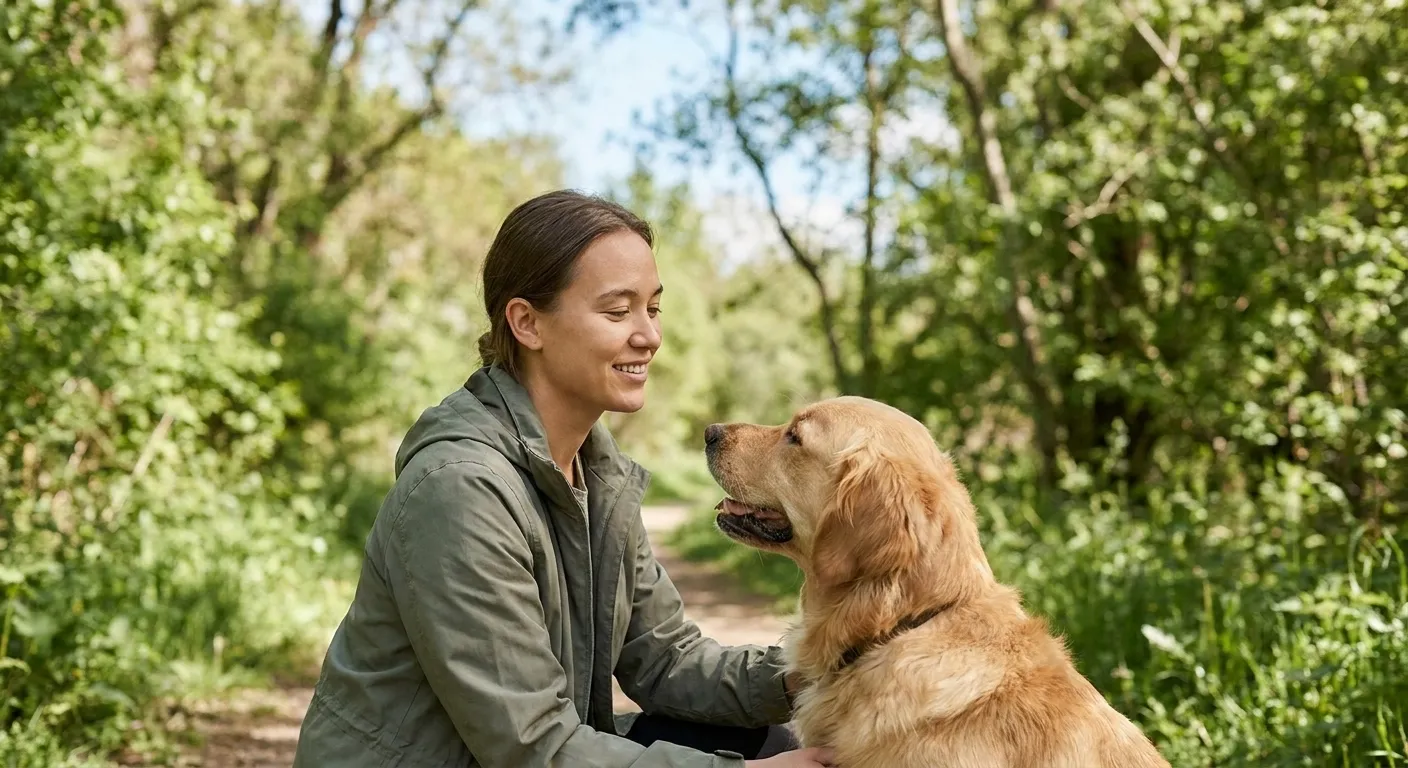
Dog walks are often seen purely as physical exercise, a way to burn off energy and maintain a healthy weight. However, the profound dog walk mental benefits extend far beyond the physical, significantly impacting a dog’s cognitive function, emotional well-being, and overall happiness. For tech-savvy owners like Ava, understanding the science behind these benefits can transform a simple stroll into a powerful tool for building a stronger, more resilient companion. Let’s delve into how intentional walks enrich your dog’s mind.
The Cognitive Boost of Exploration
Every walk is an opportunity for your dog to engage their brain. Unlike a predictable backyard, the outdoor environment presents a dynamic sensory landscape. New smells, sights, and sounds stimulate your dog’s olfactory system and visual processing centers. Allowing your dog ample time to sniff is not just a ‘waste of time’; it’s a vital mental exercise. Sniffing engages problem-solving skills as they interpret scent trails, helping to reduce stress and provide mental satisfaction. Different terrains, from pavement to grass to dirt paths, also offer varied proprioceptive input, enhancing spatial awareness and balance. These cognitive challenges contribute to a dog’s mental sharpness and can even help prevent cognitive decline as they age.
Beyond sensory input, walks provide opportunities for learning and reinforcement. Practicing commands like ‘sit’ or ‘stay’ in novel environments helps generalize these behaviors. Encountering new people or other dogs (from a safe distance) provides crucial socialization opportunities, teaching your dog how to respond appropriately in various social contexts. These interactions, when positive, build confidence and reduce anxiety. By prioritizing mental engagement during walks, you’re not just exercising your dog’s body; you’re nurturing their mind, fostering a more balanced, adaptable, and content companion ready for anything.
Reducing Stress and Anxiety Through Outdoor Adventures
For many dogs, the world can be a source of overstimulation or even fear. Regular, structured walks, however, offer a predictable routine that can significantly reduce anxiety. The consistent exposure to new but controlled environments helps desensitize dogs to novel stimuli, making them less reactive in daily life. Furthermore, physical activity itself is a natural stress reliever, releasing endorphins that promote a sense of calm and well-being. This is especially true for high-energy breeds or dogs prone to nervous behaviors.
A change of scenery is also incredibly important for mental health. Dogs kept in the same environment day in and day out can become bored or even depressed. Exploring new routes introduces novelty, which is a powerful antidote to boredom. For instance, varying your dog walking routes regularly keeps their minds stimulated and engaged. This mental stimulation helps redirect destructive behaviors often caused by boredom or pent-up energy, such as excessive barking, chewing, or digging. Think of it as a mental reset for your furry friend.
Moreover, the act of walking together strengthens the bond between you and your dog. This shared experience fosters a sense of security and trust, which are foundational for a dog’s emotional stability. When your dog feels safe and connected to you, their overall stress levels naturally decrease. Therefore, the emotional benefits of dog walks are undeniable, contributing significantly to a dog’s overall happiness and peace of mind.
Enhancing Problem-Solving Skills and Confidence
Walks are rich learning environments, providing countless opportunities for your dog to practice problem-solving. Whether it’s navigating a slightly challenging path, deciding which scent trail to follow, or figuring out how to get around an obstacle, these small decisions build cognitive flexibility. For example, when your dog encounters a new object on their path, observing it, sniffing it, and then moving past it is a mini-problem-solving exercise. This continuous engagement helps to sharpen their intellect and adaptability.
Furthermore, mastering new skills in varied environments significantly boosts a dog’s confidence. Successfully navigating a busy street, calmly passing another dog, or learning to ‘leave it’ when tempted by a dropped treat all contribute to a dog’s self-assurance. Each positive interaction and successful navigation of a new situation reinforces their belief in their own abilities and in your guidance. This is particularly beneficial for building confidence on walks for shy or anxious dogs, allowing them to gradually overcome their fears.
The cumulative effect of these small successes is a more resilient and confident dog, better equipped to handle novel situations and less prone to anxiety or fear-based reactions. This confidence extends beyond the walk, influencing their behavior and emotional state at home. Consequently, investing in enriching walks is investing in a more mentally robust and self-assured companion, reaping substantial dog walk mental benefits.
The Social and Emotional Intelligence Development
Beyond individual cognitive gains, walks are crucial for developing a dog’s social and emotional intelligence. Exposure to various people, other dogs, and different environmental sounds helps dogs learn appropriate social cues and responses. This controlled socialization, especially during formative puppy stages, is vital for preventing behavioral issues later in life. Learning to calmly observe a jogger, politely greet a new person, or coexist peacefully with another dog teaches invaluable lessons in social etiquette.
Observing other dogs also allows your dog to learn from their behavior, understanding canine communication nuances. Similarly, encountering different types of people (children, adults, people with hats or umbrellas) helps them generalize their understanding of human interaction. These varied experiences contribute to a well-rounded social understanding, preventing fear or aggression born from lack of exposure. This consistent, positive exposure is far more effective than isolated training sessions.
Moreover, the shared activity of walking strengthens the emotional bond between you and your dog. It’s a time for focused attention, communication, and mutual enjoyment. This bonding time reinforces your role as a trusted leader and provides a sense of security for your dog. For instance, a calm and controlled walk can establish a clear hierarchy and mutual respect, which is fundamental for a harmonious relationship. These emotional connections are central to the comprehensive dog walk mental benefits.
Mindful Walking: Maximizing the Mental Engagement
To truly unlock the extensive mental benefits of dog walks, owners must adopt a mindful approach. This means being present and attentive during the walk, observing your dog’s behavior, and responding to their needs. Instead of rushing through a walk, consider allowing your dog to set the pace sometimes, especially when they are deeply engaged in sniffing. The art of slow walking, for example, prioritizes sniffing and exploration, which are incredibly enriching activities.
Incorporate small training exercises into your routine. Ask for a ‘sit’ at a curb, a ‘stay’ before crossing the street, or practice recall in a safe, open area. These mini-training sessions reinforce good behavior in real-world contexts and provide valuable mental stimulation. Varying the environment is also key; explore different parks, trails, or even new neighborhoods. This constant novelty keeps your dog’s brain engaged and prevents boredom, maximizing the mental benefits of dog walks.
Furthermore, consider integrating technology to enhance your walks. Smart dog collars, for instance, can monitor your dog’s activity levels and even track their location, providing data that helps you understand their exercise patterns and ensure their safety. This blend of mindful engagement and smart tools ensures you are providing the best possible mental and physical stimulation for your beloved companion. Ultimately, intentional and varied walks are essential for holistic dog well-being.
The Long-Term Impact on Canine Well-being
The consistent provision of mental stimulation through walks has profound long-term effects on a dog’s overall well-being. Mentally stimulated dogs are generally happier, calmer, and less prone to destructive behaviors. They also tend to be more adaptable to changes in routine or environment, possessing greater emotional resilience. This means less stress for both the dog and the owner, fostering a more peaceful home environment.
Regular cognitive engagement, particularly through scent work and exploration, can also contribute to better overall health. Research suggests that mental activity can help maintain brain function as dogs age, potentially delaying the onset of cognitive dysfunction syndrome. Just as physical exercise keeps the body young, mental exercise keeps the mind sharp. Moreover, the reduction in stress and anxiety often translates to improved physical health, as chronic stress can weaken the immune system.
Finally, a dog that is mentally fulfilled is a joy to live with. They are more responsive to training, more engaged with their family, and generally exhibit a more balanced temperament. These significant dog walk mental benefits ultimately lead to a stronger, more positive relationship between you and your dog, built on mutual understanding and shared experiences. For further reading, you might explore articles on the importance of mental stimulation for dogs from reputable sources like the ASPCA, which often highlights the connection between mental enrichment and behavior.
Beyond the Walk: Continued Mental Enrichment
While walks offer incredible mental benefits, they are part of a larger picture of canine enrichment. Integrating other forms of mental stimulation into your dog’s daily life can amplify the positive effects seen from walks. Puzzle toys, interactive feeders, and scent games are excellent ways to keep your dog’s mind active indoors. These activities challenge their problem-solving skills and provide an outlet for their natural foraging instincts, which are often honed during walks.
Consider enrolling in dog sports or advanced training classes. Activities like agility, obedience, or even trick training offer new mental challenges and strengthen the bond between you and your dog. They provide a structured environment for learning and problem-solving, building on the foundation established during your daily strolls. The continuous learning process is key to maintaining a sharp and engaged canine mind.
Furthermore, remember that a dog’s mental well-being is closely linked to their physical health. Ensuring your dog receives optimal exercise needs, a balanced diet, and regular veterinary care creates a holistic approach to their health. The synergy between physical and mental activity is powerful, with each supporting the other to create a truly thriving companion. For more information on combining mental and physical health, organizations like the American Kennel Club offer valuable resources on dog enrichment.
Conclusion: Embracing the Full Potential of Every Stroll
In conclusion, viewing dog walks as merely physical exercise misses a vast array of profound advantages. The significant dog walk mental benefits, including enhanced cognitive function, reduced stress, boosted confidence, and improved social intelligence, are essential for a dog’s holistic well-being. By embracing mindful walking, varying routes, and integrating training, you transform a simple routine into a powerful tool for enrichment. This intentional approach not only nurtures your dog’s mind but also strengthens your bond, creating a happier, more balanced, and resilient companion. Every walk is an opportunity to connect, explore, and grow together, enriching both of your lives beyond measure.
FAQ: What are the primary mental advantages of taking my dog for a walk?
The primary mental advantages include enhanced cognitive function through sensory exploration, reduced stress and anxiety due to physical activity and routine, improved problem-solving skills, and better social and emotional intelligence from exposure to new environments and interactions.
FAQ: How can I make my dog’s walks more mentally stimulating?
To make walks more mentally stimulating, allow ample time for sniffing and exploration, vary your walking routes frequently, incorporate short training exercises, and be present and mindful during the stroll. Consider slow walks to prioritize sensory input.
FAQ: Do different environments offer different cognitive benefits for my dog?
Yes, different environments offer varied cognitive benefits. New smells, sounds, and sights in diverse locations (parks, urban areas, trails) stimulate different parts of your dog’s brain, enhancing their problem-solving skills, adaptability, and overall mental sharpness.
FAQ: Can regular walks help reduce my dog’s anxiety?
Absolutely! Regular, structured outdoor excursions provide a predictable routine, which can significantly reduce anxiety. The physical activity releases endorphins, while consistent, controlled exposure to new stimuli helps desensitize anxious dogs, building their confidence over time.
FAQ: What role does sniffing play in a dog’s mental well-being during walks?
Sniffing is a crucial mental exercise for dogs. It engages their powerful olfactory system, allowing them to interpret scent trails and gather information about their environment. This problem-solving activity is mentally satisfying, helps reduce stress, and provides significant cognitive enrichment.

