
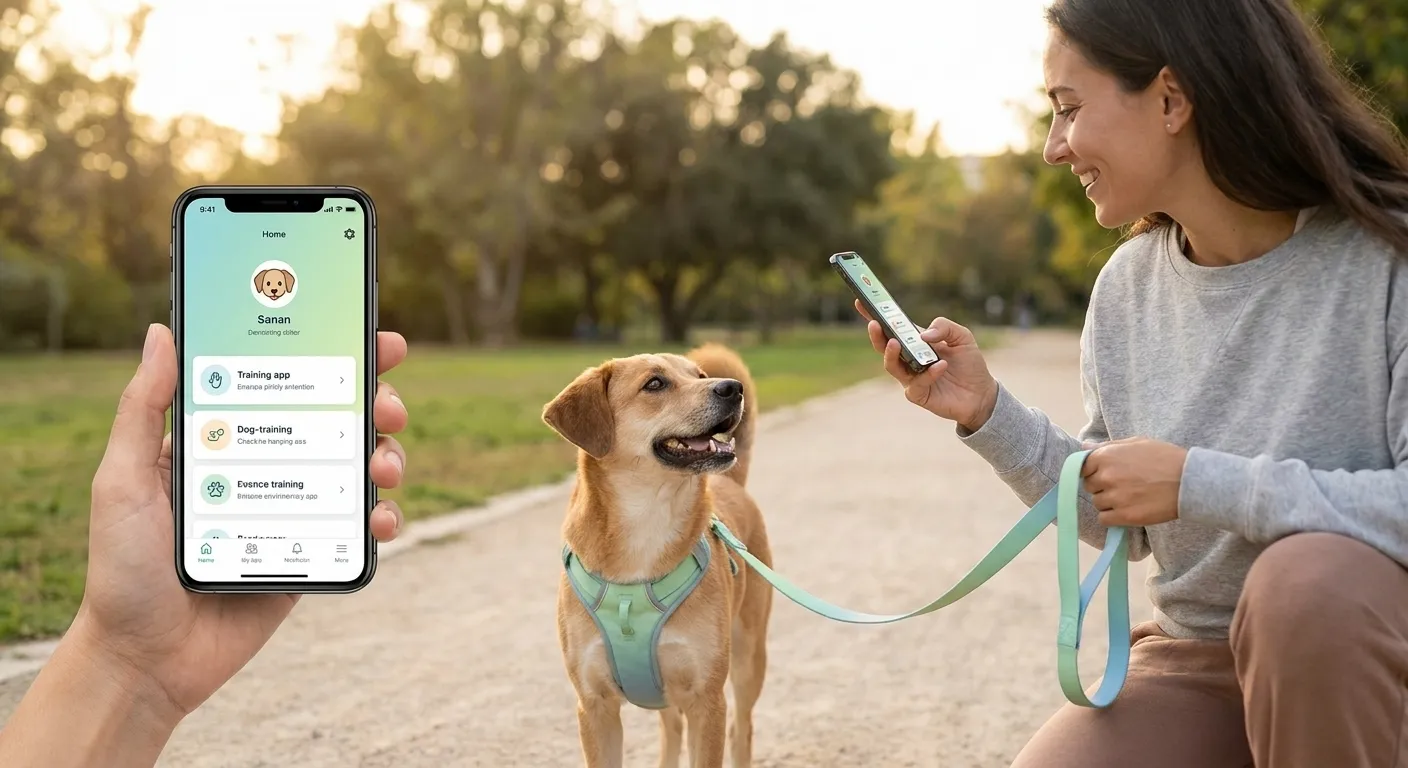
Is your daily walk with your beloved canine companion more of a tug-of-war than a leisurely stroll? For many dog owners, especially those with energetic breeds like Ava’s Golden Retriever, Max, the struggle to stop dog leash pulling is a common and often exhausting challenge. This isn’t just an annoyance; it can be physically demanding for you, uncomfortable for your dog, and even unsafe in busy environments. But don’t despair—with the right knowledge and consistent positive reinforcement, you can transform your walks from a chore into a joyful experience.
We understand that the dream of a calm, enjoyable walk can sometimes feel out of reach. Perhaps you’ve tried various methods without lasting success, or maybe you’re a first-time dog owner feeling overwhelmed. Rest assured, you’re not alone. Our goal is to empower you with innovative, science-backed techniques that foster a stronger bond with your pet while achieving those serene walks you both deserve. Let’s embark on this journey together, turning those frustrating pulls into moments of shared harmony.
Understanding Why Dogs Pull on the Leash
Before we dive into solutions, it’s crucial to understand the root causes of leash pulling. Dogs don’t pull to be defiant; they pull because it works! Their natural pace is often faster than ours, and the world offers an irresistible array of scents, sights, and sounds. They learn that pulling gets them where they want to go faster. Common reasons include:
- Excitement/Over-arousal: The sheer joy of being outside can be overwhelming. Consequently, dogs often surge forward.
- Lack of Training: They haven’t been taught an alternative behavior. Furthermore, many puppies aren’t introduced to polite leash manners early on.
- Pace Mismatch: Their natural walking speed is different from yours. In fact, many breeds are naturally faster walkers.
- Reinforcement: Every time they pull and get to move forward, the behavior is reinforced. This creates a strong habit.
- Environmental Distractions: Other dogs, squirrels, interesting smells, or even just new sights can be incredibly tempting. Naturally, dogs want to investigate these stimuli.
- Fear or Anxiety: Sometimes, pulling can be an attempt to get away from something scary or uncomfortable.
Recognizing these motivations is the first step toward effective training. Your dog isn’t trying to be difficult; they are simply responding to their environment and instincts in a way that has historically proven effective for them. Our job is to gently guide them toward more desirable behaviors.
Science-Backed Techniques to Effectively Stop Dog Leash Pulling
Empowering you to teach your dog to walk politely on a leash involves patience, consistency, and positive reinforcement. Here are proven strategies to help you stop dog leash pulling and cultivate pleasant walks.
1. The ‘Stop and Go’ Method
This classic technique is highly effective for managing dogs that pull. The moment your dog starts to pull, stop walking immediately. Remain still and silent. Only resume walking when the leash slackens, even for a second. The instant they pull again, stop. Your dog quickly learns that pulling makes the walk stop, while a loose leash keeps it going. Consistency is key here; every single pull must result in a stop. This method teaches your dog that the consequence of tension on the leash is a halt in their forward momentum, making the desired behavior (loose-leash walking) much more rewarding. For instance, if your dog lunges for a smell, you halt. When they relax and the leash goes slack, you resume.
2. Lure and Reward Loose-Leash Walking
Use high-value treats to reward your dog for walking beside you on a loose leash. Start in a low-distraction environment. Hold a treat near your dog’s nose to keep them in position, take a few steps, and reward. Gradually increase the number of steps before rewarding, and then introduce distractions. The goal is for your dog to associate a loose leash with positive outcomes. This method builds a positive association with walking calmly by your side. You are actively teaching them the desired behavior rather than just stopping an unwanted one. Remember to keep training sessions short and fun, especially in the beginning.
3. Change of Direction
When your dog starts to pull, calmly change direction. If they pull right, turn left. If they pull forward, turn around. This keeps your dog guessing and teaches them to pay attention to your movements. It also makes pulling less rewarding, as they don’t get to go where they intended. This technique requires you to be attentive and responsive. By changing direction, you break their focus on the distraction ahead and redirect their attention back to you. Eventually, they will learn that staying close to you and anticipating your movements keeps the walk enjoyable and predictable.
4. ‘Watch Me’ Command for Focus
Teaching your dog a ‘watch me’ command can be incredibly useful, especially in distracting environments. Hold a treat near your eyes and say “watch me.” When your dog makes eye contact, immediately reward them. Practice this in various settings, gradually increasing the duration of eye contact. This command helps your dog to focus on you, even when there are tempting distractions, making it easier to manage their impulse to pull. Consequently, it strengthens your bond and improves communication during walks. This is a foundational skill for polite leash behavior.
5. Incorporating Regular Training Sessions
Beyond the actual walks, dedicate short, focused training sessions (5-10 minutes, several times a day) specifically to loose-leash walking in a controlled environment. Practice walking in circles, figure-eights, and stopping, rewarding your dog frequently for maintaining a loose leash. These sessions help solidify the desired behavior without the pressure of a full walk. Furthermore, they allow you to reinforce good habits consistently. Think of these as ‘mini-lessons’ where your dog can practice without the overwhelming stimuli of the outside world. This targeted practice will significantly help you to stop dog leash pulling on your regular outings.
Choosing the Right Equipment to Help Stop Dog Leash Pulling
The right gear can make a significant difference in managing and teaching your dog to walk politely. It’s important to choose tools that are humane and effective, supporting your training efforts rather than causing discomfort.
- Front-Clip Harness: Unlike traditional back-clip harnesses or collars, a front-clip harness redirects your dog’s forward momentum to the side when they pull. This makes it physically harder for them to pull effectively and provides you with more control without causing discomfort to their throat. Brands like Easy Walk or Freedom Harness are popular choices.
- Head Halter (Gentle Leader/Halti): This equipment fits over your dog’s nose and behind their ears, similar to a horse halter. When your dog pulls, it gently guides their head to the side, which naturally discourages pulling. For instance, if their head is turned, their body cannot effectively pull forward. It’s an excellent tool for strong pullers, but requires a positive introduction to ensure your dog is comfortable wearing it.
- Standard Leash (6-foot): A basic 6-foot leash made of nylon or leather is generally recommended. Avoid retractable leashes, as they can inadvertently teach your dog that pulling extends their range, counteracting your training efforts to stop dog leash pulling. Moreover, they offer less control and can be unsafe.
- High-Value Treats: These are not technically equipment, but they are essential! Find what truly motivates your dog – small pieces of cheese, cooked chicken, or specialized training treats often work wonders. These treats are crucial for positive reinforcement.
Always ensure any equipment you choose fits properly to prevent chafing or discomfort. A well-fitting harness or head halter will be more effective and comfortable for your dog. For additional safety considerations, especially if you walk your dog in low light, consider exploring safety vests for your canine companion.
Consistency and Patience: The Pillars of Success
Teaching your dog to walk politely on a leash is a journey, not a sprint. There will be good days and challenging days. Your consistency is the most powerful tool you have. Every family member who walks the dog needs to be on the same page, applying the same techniques. Inconsistency can confuse your dog and slow down progress. Remember, your dog is learning a new skill, and like any learner, they need clear, consistent guidance. Celebrate every small victory – a few steps of loose-leash walking, a moment of eye contact in a distracting environment. This positive mindset will not only help your dog but also keep you motivated.
Furthermore, understand that dogs, much like people, have different learning curves. Some dogs may grasp loose-leash walking quickly, while others might take more time. Be patient with your furry friend. Avoid getting frustrated, as dogs are highly sensitive to our emotions. A calm, encouraging demeanor from you will make the training process more enjoyable and effective for both of you. In fact, many successful trainers emphasize the importance of patience above all else. For more insights on positive reinforcement training, you might find valuable resources from organizations like the Association of Professional Dog Trainers.
Addressing Common Challenges When You Want to Stop Dog Leash Pulling
Even with the best techniques, you might encounter specific hurdles. Here’s how to navigate them:
- High-Distraction Environments: Start training in quiet areas, gradually introducing more distractions. If your dog gets over-excited, take a step back to a less stimulating environment. This gradual exposure helps them generalize the learned behavior.
- Sudden Lunging: If your dog suddenly lunges, perhaps at another dog or a squirrel, use your ‘stop and go’ method immediately. You can also incorporate the ‘watch me’ command to redirect their attention before they lunge. This proactive approach is often more effective.
- Dog Pulling Towards Other Dogs/People: This often stems from excitement or a desire to greet. Practice polite greetings from a distance, rewarding calm behavior. If they pull, simply turn and walk in the opposite direction until they calm down, then try again. Remember, the goal is to make a loose leash the only way to get closer to what they want.
- Your Dog is Strong: For powerful pullers, a front-clip harness or head halter can provide immediate relief and better control while you work on the underlying training. These tools are designed to make it much harder for your dog to exert full pulling force.
Remember, every challenge is an opportunity for learning. By understanding your dog’s specific triggers and consistently applying your training methods, you can overcome these obstacles. You are building a foundation of trust and communication that extends far beyond just leash manners. Additionally, considering your dog’s overall enrichment can help reduce some pulling behaviors. Engaging toys, such as puzzle toys, can provide mental stimulation that might reduce over-arousal on walks.
The Joy of a Loose-Leash Walk
Imagine this: You and your dog strolling side-by-side, the leash gently swaying, no tension, just shared enjoyment. This isn’t a fantasy; it’s an achievable reality with dedication and the right approach. When you successfully teach your dog to walk politely, you open up a world of possibilities for both of you. Longer walks, exploring new trails, enjoying café patios – all become stress-free experiences. Moreover, a well-behaved dog on a leash is a safer dog, both for themselves and for others in the community. You are not just teaching a command; you are fostering a respectful and harmonious partnership. To continue your journey of understanding and improving your dog’s behavior, be sure to visit our Blog for more expert tips and insights.
Ultimately, the effort you invest in teaching your dog to walk without pulling will be returned tenfold in joy, peace, and an even deeper connection with your best friend. Embrace the process, celebrate the progress, and look forward to countless happy, loose-leash adventures ahead. We are here to support you every step of the way as you work to stop dog leash pulling.
FAQ
What’s the best way to start training a puppy not to pull on walks?
Begin early with positive reinforcement in low-distraction environments. Use the ‘lure and reward’ method to encourage walking calmly beside you. Short, frequent sessions are more effective for puppies. Introduce the leash and collar positively, making it a good experience from the start.
How long does it typically take to teach a dog to walk politely without pulling?
The timeline varies greatly depending on the dog’s age, breed, previous habits, and the consistency of training. Some dogs show improvement in a few weeks, while others may take several months. Patience and consistent daily practice are the most important factors for success.
Are there any tools I should avoid when trying to prevent my dog from pulling?
We generally recommend avoiding choke chains, prong collars, and retractable leashes. Choke and prong collars can cause pain and injury, and often create negative associations with walks. Retractable leashes teach dogs that pulling extends their range, which works against loose-leash training.
My dog only pulls when we see other dogs. What should I do?
This is a common challenge! Practice the ‘watch me’ command and ‘stop and go’ method from a distance where your dog can still remain calm. Gradually decrease the distance to other dogs as your dog improves. Reward heavily for calm behavior when other dogs are present. Changing direction can also be very effective.
Can I still teach an older dog to walk on a loose leash?
Absolutely! While older dogs may have ingrained habits, they are certainly capable of learning new behaviors. The same positive reinforcement techniques, such as the ‘stop and go’ and ‘lure and reward’ methods, are effective. It might take a bit more patience and consistency, but an older dog can definitely learn to enjoy a relaxed walk.

