
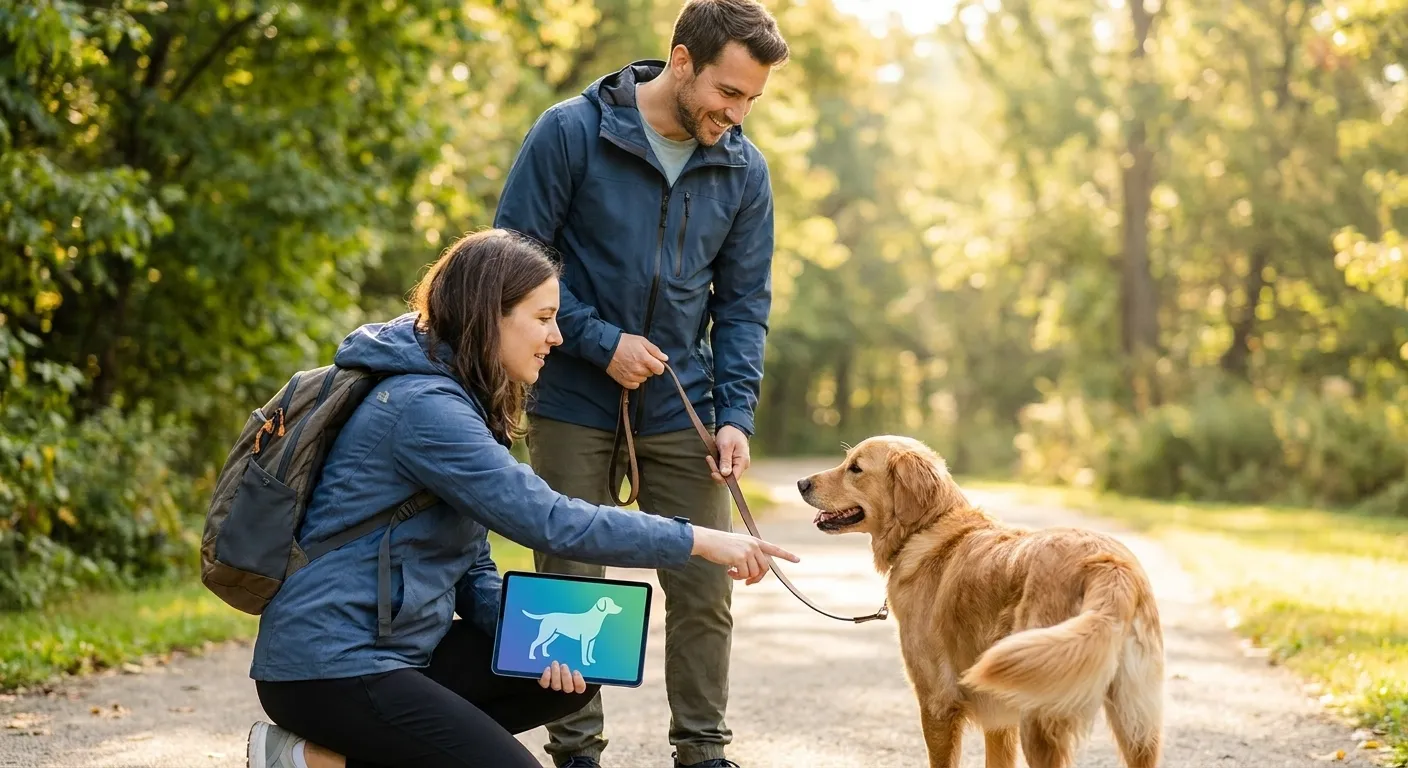
Our dogs communicate with us constantly, not through words, but through an intricate system of body language. Learning to decode dog body language walks is a superpower for any owner, transforming frustrating outings into opportunities for deeper connection and understanding. By recognizing subtle cues, you can anticipate your dog’s needs, prevent potential issues, and ensure every stroll is a positive experience. This guide will help you read your dog like an open book, making walks not just exercise, but rich conversations.
What Your Dog’s Tail, Ears, and Posture Are Saying
Think of your dog’s body as a complete communication system. A relaxed dog on a walk will often have a tail held in a neutral position, perhaps wagging gently from side to side. Their ears will be soft, possibly slightly back or forward, but not stiff. Their body will appear loose and fluid, with soft eyes and a relaxed mouth, sometimes even a ‘soft’ gaze. This indicates comfort and engagement with their surroundings, without feeling threatened or overly excited.
Conversely, when a dog’s tail is tucked low between their legs, ears flattened, and body cowered, they are expressing fear or anxiety. A stiff body, tail held high and rigid, a direct hard stare, and forward-pointing ears often signal alertness, potential aggression, or high arousal. Recognizing these distinct postures allows you to intervene proactively, whether by creating distance from a trigger or offering reassurance. Therefore, understanding these signals is crucial for every outing.
Pay close attention to subtle shifts. A sudden freeze, a quick head turn away, lip licking, yawning (when not tired), or a lifted paw can all be signs of discomfort or stress. For example, if your dog suddenly freezes and stares intently at something, they might be preparing to react. A quick lip lick after seeing another dog could indicate mild anxiety. By observing these signals, you can adjust your pace, change direction, or create more space before your dog escalates to barking or lunging. The goal is to catch these ‘whispers’ before they become ‘shouts.’ Understanding these cues empowers you to be your dog’s best advocate, creating a walk environment where they feel safe, understood, and happy.
The Nuances of Facial Expressions and Eye Contact
Beyond the tail and ears, your dog’s face offers a wealth of information. Soft, relaxed eyes, sometimes appearing almond-shaped, often suggest contentment and trust. A ‘whale eye,’ where the whites of the eyes are visible, signals stress or discomfort. Furthermore, dilated pupils can indicate fear or excitement. A dog might also squint their eyes slightly if they are feeling anxious or submissive. Learning to interpret these subtle shifts in their gaze is a key aspect of understanding your dog’s feelings during your adventures together.
Similarly, mouth expressions are incredibly telling. A relaxed, open mouth with a slightly visible tongue suggests happiness and ease. A tightly closed mouth, especially with a tense jaw, often points to stress or discomfort. Lip licking, as mentioned, can be a calming signal, but when rapid and out of context (not after eating), it typically indicates anxiety. A dog might also pull their lips back to show their teeth in a ‘submissive grin,’ which can be misinterpreted as aggression but is actually a sign of appeasement. These facial cues are vital for interpreting your dog’s emotional state.
Consider the context of these expressions. A yawn might simply mean your dog is tired, but if it happens in a tense situation, it’s more likely a calming signal. Similarly, a quick lick of the nose might be normal, but if it occurs repeatedly when another dog approaches, it’s a clear sign of unease. By combining observations of your dog’s eyes, mouth, and overall facial tension, you gain a more complete picture of their inner world. This holistic approach significantly enhances your ability to understand canine communication.
Reading Body Language in Motion: Interactions with the World
Walks are dynamic experiences, and your dog’s body language changes constantly as they interact with their environment. When your dog approaches another dog with a loose, wiggly body, a wagging tail, and soft eyes, they are likely signaling a friendly greeting. Conversely, a stiff body, direct stare, and slow, deliberate movements often precede a less amicable interaction. Recognizing these signals allows you to manage greetings effectively, ensuring both dogs have positive experiences. Dog walking safety tips emphasize the importance of reading these interactions.
Moreover, watch how your dog interacts with objects and sounds. If they startle at a sudden noise, their ears might swivel, their body might tense, and they might look to you for reassurance. If they are intensely focused on a scent, their nose will be to the ground, tail might be still or gently wagging, and their body will be low and engaged. Understanding these specific reactions helps you identify what captures your dog’s attention, what causes them stress, and what brings them joy. This awareness is fundamental to successful dog body language walks.
Sometimes, your dog might exhibit displacement behaviors when feeling conflicted or stressed. These are normal dog behaviors performed out of context, such as sniffing the ground intensely when another dog is nearby, scratching themselves when not itchy, or sudden grooming. These behaviors are your dog’s way of trying to cope with an uncomfortable situation. Recognizing these subtle signs helps you understand their emotional state and respond appropriately. For instance, you might create more space or redirect their attention with a treat. This proactive approach supports their emotional well-being.
Practical Steps for Mastering Dog Body Language Walks
Mastering the art of interpreting your dog’s non-verbal cues requires observation and practice. First, spend time simply watching your dog in various situations – at home, at the park, and especially on different types of walks. Notice their resting posture, their excited greetings, and their reactions to new stimuli. This baseline understanding will help you identify when their behavior deviates from the norm. Furthermore, consider keeping a small journal to note specific behaviors and the context in which they occur. This can reveal patterns over time.
Secondly, try to anticipate potential triggers. If you know your dog is uncomfortable around bicycles, start observing their body language well before a bicycle comes into view. Look for those early ‘whispers’ – a slight head turn, a tensing of the body, or a quick lip lick. By intervening early, you can often prevent an escalation to barking or lunging. This might mean crossing the street, creating more distance, or using a positive distraction. For dogs who struggle with new environments, our guide on introducing your dog to new walking environments can be very helpful.
Thirdly, use positive reinforcement to build confidence. When you notice your dog reacting calmly to a potential trigger, reward them with a treat and praise. This helps them associate calm behavior with positive outcomes. If your dog is showing signs of stress, gently guide them away from the trigger and offer reassurance. Never punish your dog for showing fear or anxiety; this will only suppress their communication and potentially worsen their emotional state. Instead, focus on creating a safe and supportive environment.
Finally, remember that every dog is an individual. What might be a sign of stress for one dog could be a normal behavior for another. Knowing your own dog’s unique personality and history is crucial. For example, a dog with naturally erect ears might not flatten them as much as a dog with floppy ears when stressed. By understanding your dog specifically, you become an expert in their communication. This personalized approach is also at the heart of AI dog training benefits, which offers tailored guidance.
The Benefits of Understanding Your Dog’s Communication
The advantages of interpreting your dog’s signals during dog body language walks are immense. First and foremost, it strengthens your bond. When your dog feels understood and safe, their trust in you deepens. This creates a more harmonious relationship built on mutual respect and clear communication. You become their trusted leader, capable of navigating the world together.
Secondly, it significantly reduces stress for both you and your dog. By preventing stressful situations, you avoid the frustration of reactive behaviors and the anxiety your dog experiences. This leads to more enjoyable outings for everyone. Imagine a walk where you can calmly respond to your dog’s needs, rather than reacting to an outburst. This peace of mind is invaluable.
Thirdly, understanding canine communication enhances your dog’s overall well-being. When their needs are met and their fears are acknowledged, dogs are happier and more confident. This can lead to a reduction in behavioral issues, both on and off the leash. A confident dog is a joy to walk, and they are more likely to enjoy exploring their surroundings. For more on building confidence, explore our guide on helping shy or anxious dogs thrive outdoors.
Finally, it makes you a more responsible and empathetic dog owner. You become an advocate for your dog, able to explain their needs to others and protect them from uncomfortable situations. This deeper understanding extends beyond walks, improving every aspect of your shared life. For additional insights into canine behavior, resources like the American Veterinary Society of Animal Behavior provide valuable information on positive training methods and behavioral issues. Visit AVSAB to learn more about their position statements and guidelines.
Common Misinterpretations and How to Avoid Them
It’s easy to misinterpret some dog behaviors, leading to misunderstandings. For instance, a wagging tail doesn’t always mean happiness. A stiff, high-speed tail wag can indicate high arousal or even aggression, not joy. Similarly, a dog rolling onto their back might be inviting a belly rub, or it could be a sign of extreme submission and fear, especially if their body is tense and eyes are wide. Learning to differentiate these nuances is crucial for accurate interpretation during dog body language walks.
Another common mistake is anthropomorphizing dog behavior, meaning attributing human emotions or intentions to them. While dogs certainly feel emotions, their expressions and motivations are distinctly canine. A dog who ‘looks guilty’ after an accident might actually be showing appeasement behaviors in response to your angry tone, not understanding that they’ve done something ‘wrong.’ Understanding true canine communication helps us avoid these human-centric biases.
Furthermore, some owners might overlook subtle stress signals, waiting for overt behaviors like barking or lunging before intervening. However, as we’ve discussed, dogs give many ‘whispers’ before they ‘shout.’ By learning to recognize lip licks, yawns, head turns, or freezes, you can address discomfort much earlier. This proactive approach prevents escalation and makes walks more pleasant for everyone involved. The more you observe, the more adept you become at spotting these early warning signs.
Enhancing Your Walks with Body Language Awareness
Integrating your newfound understanding of canine communication into your daily routine will transform your walks. Consider varying your routes to offer your dog new sensory experiences, which can provide more opportunities to observe their reactions and build their confidence. Our article on varied dog walking routes offers great ideas for this.
Moreover, practice loose leash walking, as a tight leash can inadvertently communicate tension to your dog and restrict their natural movement and communication signals. A relaxed leash allows your dog to move freely and express themselves more clearly. This also enables you to observe their body language more accurately without the interference of leash tension.
Finally, remember that understanding dog body language walks is an ongoing journey. There’s always more to learn about our incredible canine companions. Embrace the process, celebrate the small victories, and enjoy the deeper connection you’ll build with your dog. For further reading and comprehensive resources on canine behavior, the ASPCA website offers extensive information and expert advice. Explore the ASPCA for tips on dog care and training.
Conclusion: A Deeper Bond Through Understanding
Mastering dog body language walks isn’t just about avoiding problems; it’s about fostering a profound, empathetic connection with your furry best friend. By diligently observing their subtle cues – from the flick of an ear to the tension in their jaw – you gain an invaluable insight into their world. This understanding empowers you to be a more responsive, supportive, and effective companion. Every walk becomes an opportunity for rich, silent conversation, strengthening your bond and ensuring your dog feels truly seen and heard.
Embrace this journey of discovery, and you’ll find that your outings transform from simple exercise into meaningful shared experiences. You’ll navigate the world together with greater harmony, confidence, and joy. Here’s to many more happy, understood adventures with your amazing dog!
FAQ:
How can I tell if my dog is enjoying a walk?
A dog enjoying a walk will typically have a relaxed body posture, a neutral or gently wagging tail, soft eyes, and an open mouth (often panting gently). They will show interest in their surroundings, sniffing and exploring, and may check in with you periodically. Their movements will be fluid, not stiff or hesitant.
What are common signs of stress in a dog during a walk?
Common signs of stress include a tucked tail, flattened ears, lip licking, yawning (when not tired), head turns away, a tense body, whale eye (whites of eyes visible), panting without exertion, or sudden freezing. These signals indicate your dog is uncomfortable and may need more space or a change in direction.
Why is it important to understand my dog’s communication during outings?
Understanding your dog’s communication during outings is vital for their safety and well-being. It allows you to anticipate their needs, prevent conflicts with other dogs or people, and intervene before stress escalates. This leads to happier, safer, and more enriching experiences for both of you, strengthening your bond.
How can I improve my ability to read my dog’s signals?
Practice makes perfect! Spend time observing your dog in various situations, noting their normal behaviors. Watch videos of dog body language, and consider taking a positive reinforcement training class that emphasizes canine communication. The more you observe and learn, the better you’ll become at interpreting their unique cues.
What should I do if my dog shows signs of fear on a stroll?
If your dog shows signs of fear, first create distance from the trigger. Avoid forcing them to confront what scares them. Offer gentle reassurance with a calm voice and, if appropriate, a high-value treat. If the fear is persistent or severe, consult with a certified professional dog trainer or veterinary behaviorist for guidance and support.

