
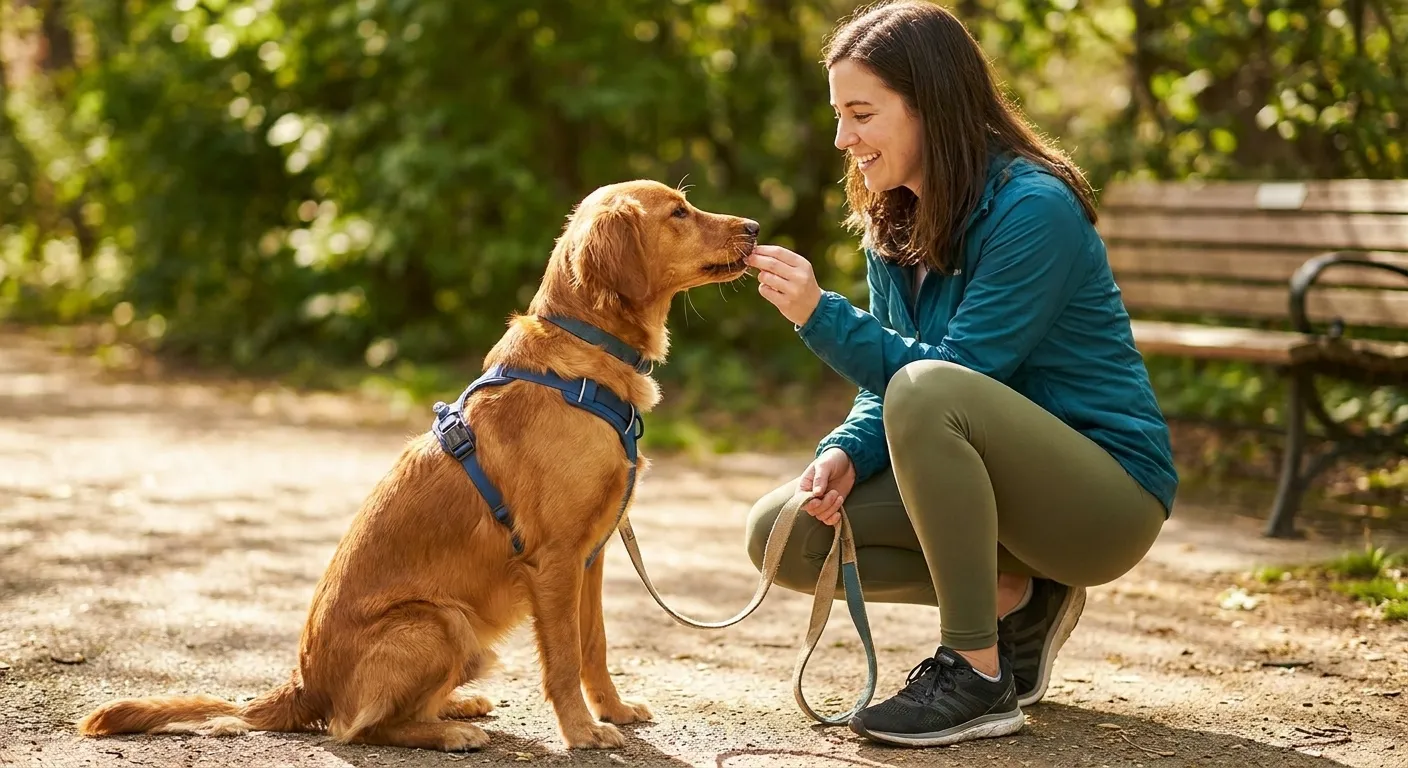
Walking your dog should be a joyful experience for both of you, but for many owners, it turns into a tug-of-war. If your energetic pup is constantly dragging you down the street, you’re not alone. Many dog owners, like Ava with her high-energy Golden Retriever Max, struggle to stop dog leash pulling. The good news is that with consistent positive reinforcement and the right techniques, you can transform your walks into calm, enjoyable outings. Ultimately, our goal is to help you build a stronger, more positive relationship with your beloved companion.
Understanding Why Dogs Pull on the Leash
Before we dive into solutions, let’s understand the root causes of pulling. It’s truly helpful to view the world from your dog’s perspective. Firstly, the world outside is a symphony of smells, sights, and sounds. Dogs are naturally eager to explore every fascinating detail. Consequently, their excitement can often lead them to surge forward.
Secondly, there’s a significant pace difference. Dogs often walk faster than humans. What feels like a leisurely stroll to us might feel painfully slow to them. Therefore, they may pull to increase the speed.
Thirdly, a lack of consistent training plays a role. If pulling has consistently gotten them to where they want to go, they’ve learned it’s an effective strategy. This means they are simply doing what has worked for them in the past.
Finally, inappropriate equipment can contribute. Some harnesses or collars can inadvertently encourage pulling or cause discomfort. For example, certain collars might put pressure on their throat, prompting them to lean into it even more. Our goal isn’t to punish pulling but to teach your dog that a loose leash leads to good things, and a tight leash means the fun stops. This positive approach fosters trust and makes learning enjoyable for your dog, building a foundation of mutual understanding.
Effective Strategies to Stop Dog Leash Pulling
Here are actionable steps you can implement today to encourage a loose-leash walk. These strategies focus on positive reinforcement, ensuring your dog associates good behavior with rewarding outcomes. Moreover, consistency is your best friend when practicing these techniques.
1. Master the “Loose Leash Means Good Things” Game
This is the cornerstone of loose-leash walking. Your dog needs to understand that a loose leash is the pathway to progress and rewards. Therefore, every step forward should reinforce this understanding.
- Start in a low-distraction environment: Begin in your home or a quiet backyard. This helps your dog focus solely on you and the task at hand.
- Reward generously: Hold a treat at your side. As soon as your dog walks beside you with a loose leash (the leash forms a ‘U’ shape), mark the behavior with a verbal cue like “Yes!” or a clicker, and immediately give the treat. This immediate reward is crucial for clear communication.
- Take a step: Take one step. If the leash remains loose, mark and reward. Gradually increase the number of steps. If the leash tightens, stop moving. Wait for the leash to slacken, then resume. This teaches your dog that pulling stops the fun.
- The “Be a Tree” method: When your dog pulls, immediately stop walking. Stand still, like a tree, until the leash loosens. The moment it’s loose, praise and start walking again. Consistency is key here – pulling never gets them to move forward. This method is incredibly effective for teaching patience.
2. Utilize Appropriate Equipment to Discourage Pulling
While training is paramount, the right equipment can provide valuable assistance. It can make the learning process smoother for both you and your dog. On the other hand, unsuitable gear can hinder progress.
- Front-clip harness: These harnesses attach the leash at your dog’s chest. When your dog pulls, they are gently redirected to the side, making it harder for them to pull forward with full force. This is often a game-changer for strong pullers like Max. Many owners find these harnesses to be a humane and effective tool.
- Head halters: For very strong dogs or those who need more control, a head halter can be effective. It gives you control over their head, which naturally guides their body. Similarly, it’s like power steering for your dog. It’s important to introduce head halters gradually and positively, as some dogs may initially resist them. Always ensure a proper fit to avoid discomfort.
It’s worth noting that traditional neck collars can sometimes exacerbate pulling, especially if they cause discomfort when tightened. Therefore, exploring alternative equipment can be a beneficial step in your journey to curb leash pulling.
3. Incorporate Engagement and Focus Exercises
A dog that is engaged with you is less likely to pull. Consequently, building your dog’s focus on walks is essential. You want to be the most interesting thing on the walk!
- Name game: Practice calling your dog’s name in various environments. When they look at you, immediately reward them. This builds a strong foundation for attention.
- Look at me: Teach your dog to make eye contact on cue. Hold a treat near your eye and say “Look.” When they make eye contact, reward them. This is invaluable in distracting them from exciting stimuli.
- Treat magnet: Keep high-value treats in your hand or a treat pouch. Periodically reward your dog for walking nicely beside you, even without a specific cue. This reinforces their proximity and loose-leash behavior.
By making yourself the focal point, you help your dog navigate distractions more effectively. Moreover, these exercises strengthen your bond, making walks a cooperative effort rather than a battle.
4. Manage the Environment and Distractions
Setting your dog up for success means controlling the environment initially. Therefore, don’t expect perfection in highly stimulating areas right away.
- Start small: Begin training in quiet areas with minimal distractions. Gradually introduce more stimulating environments as your dog improves. For example, start in your yard, then move to a quiet street, and eventually to a park.
- Timing is everything: Walk your dog during off-peak hours when fewer people and dogs are around. This reduces the number of triggers that might cause pulling.
- Pre-walk exercise: A tired dog is often a better listener. Engage your energetic pup in some vigorous play or a brisk run before a training walk. This helps burn off excess energy and can significantly reduce the urge to pull. Consider using puzzle toys before walks to engage their mind and tire them out.
Remember, progress isn’t always linear. There will be good days and challenging days. Your patience and understanding are crucial throughout this process. In fact, celebrating small victories will keep both of you motivated.
5. Be Consistent and Patient to Stop Dog Leash Pulling
Consistency is the single most important factor in teaching your dog anything new. Every member of the household needs to be on the same page. Similarly, everyone should use the same cues and techniques.
- Every walk is a training opportunity: Even a quick potty break should reinforce good leash manners. If you occasionally allow pulling, your dog will become confused.
- Short, frequent sessions: Instead of one long, frustrating walk, try several shorter training sessions. Dogs learn best in brief, positive bursts.
- Celebrate progress: Acknowledge and celebrate every small step forward. This keeps you motivated and reinforces the positive association for your dog. Remember, learning to walk politely on a leash takes time and effort for both of you.
Furthermore, consider joining a positive reinforcement dog training class. A professional trainer can offer personalized guidance and help you troubleshoot specific challenges. This can be especially helpful if you’re feeling stuck or overwhelmed. You can also explore our Blog for more helpful tips on training and dog care.
The Long-Term Benefits of Loose-Leash Walking
Mastering loose-leash walking offers numerous benefits beyond just stopping your dog from pulling. For instance, it enhances your dog’s safety. A dog walking calmly beside you is less likely to dart into traffic or get tangled in dangerous situations. A loose leash also reduces the risk of injury to both you and your dog, preventing strains, falls, or discomfort from a tight collar.
Moreover, it significantly improves the quality of your walks. Imagine strolling leisurely, enjoying the fresh air, and observing your surroundings without constant tension or struggle. This transforms walks from a chore into a truly enjoyable bonding experience. Consequently, you’ll both look forward to your daily excursions.
Another key benefit is the strengthening of your bond. Positive reinforcement training builds trust and mutual respect between you and your dog. Your dog learns to rely on your guidance and sees you as a source of good things, not just the handler on the other end of a leash. This deepens your connection, fostering a more harmonious relationship.
Furthermore, a well-behaved dog on a leash is a welcome guest in more places. You’ll feel more confident taking your dog to dog-friendly cafes, parks, and even on errands. This expands their world and provides valuable socialization opportunities, ultimately enriching their life. Being able to confidently navigate public spaces with your dog is incredibly rewarding. Ultimately, learning to stop dog leash pulling opens up a world of possibilities for both of you.
Addressing Common Challenges When You Stop Dog Leash Pulling
Even with the best intentions, you might encounter some bumps along the road. It’s perfectly normal! Here are a few common challenges and how to navigate them effectively.
High-Energy Dogs
If you have a particularly energetic breed, like a Border Collie or a Husky, you might feel like you’re fighting an uphill battle. However, remember that their energy isn’t a flaw; it’s a characteristic. The key here is proper management and channeling that energy. Ensure your dog gets plenty of mental and physical stimulation throughout the day. This might involve longer play sessions, puzzle toys, or even dog sports. A tired dog is more receptive to training. Similarly, don’t forget the importance of enrichment activities to keep their minds engaged.
Distractions Galore
Squirrels, other dogs, children, interesting smells – the world is full of distractions! When your dog becomes overly focused on a distraction, it’s difficult for them to pay attention to you. Therefore, practice your “look at me” cue in various environments. If a distraction is too intense, increase the distance. For example, if another dog is approaching, cross the street or create more space. Reward your dog heavily for even a momentary glance in your direction when a distraction is present. This teaches them that focusing on you is more rewarding than fixating on the distraction. You can find more tips on managing distractions from reputable sources like the ASPCA.
Inconsistent Family Members
Everyone in the household needs to be on the same page regarding training. If one person allows pulling, it undermines all the hard work others are putting in. Hold a family meeting to discuss the training plan and ensure everyone understands the cues and techniques. Consistency truly is key to helping your dog understand what’s expected of them. Moreover, celebrating progress together can be a great motivator for the whole family.
Feeling Frustrated?
It’s okay to feel frustrated sometimes. Training takes time, patience, and perseverance. If you’re feeling overwhelmed, take a break. End the training session on a positive note, even if it’s just for a small success. Remember why you started this journey: to enjoy walks with your best friend. Seeking guidance from a certified professional dog trainer can also provide invaluable support and fresh perspectives. They can help tailor strategies specifically to your dog’s needs and your unique situation. Do not hesitate to reach out for help when you need it. We’re here to support you on this journey to stop dog leash pulling.
Conclusion: Enjoying Walks Together
Learning to stop dog leash pulling is a journey, not a destination. It requires patience, consistency, and a deep understanding of your dog’s motivations. By using positive reinforcement, appropriate equipment, and engaging training methods, you can transform those frustrating tug-of-war walks into enjoyable, connected experiences. Imagine the joy of strolling calmly with your pup, both of you relaxed and in tune. This is the rewarding reality that awaits you. Remember, every loose-leash step is a victory, building trust and strengthening the incredible bond you share with your energetic companion. You’ve got this, and your dog will thank you for it!
FAQ:
How long does it take to teach a dog to walk without pulling?
The timeline varies greatly depending on the dog’s age, breed, previous training, and your consistency. Some dogs show improvement in a few weeks, while others may take several months. Patience and consistent daily practice are crucial for success.
What are the best tools to prevent a dog from pulling?
Front-clip harnesses and head halters are generally recommended as humane and effective tools to help manage and prevent pulling. Traditional flat collars can sometimes exacerbate the issue by putting pressure on the throat, which dogs may lean into.
Should I punish my dog for pulling on the leash?
No, positive reinforcement methods are far more effective and humane. Punishing your dog can damage your bond and make them fearful or anxious during walks. Instead, focus on rewarding desired behaviors and teaching them that a loose leash leads to good things.
My dog pulls even after exercise. What should I do?
While exercise helps, some dogs still pull due to excitement or habit. Revisit your foundational loose-leash training in low-distraction environments. Ensure your rewards are high-value and your timing is precise. Consider increasing mental stimulation with interactive toys before walks.
Can an older dog learn to walk politely on a leash?
Absolutely! You can teach an old dog new tricks, including polite leash manners. It might take a bit more patience if they have a long history of pulling, but with consistent positive reinforcement, older dogs can certainly learn to enjoy loose-leash walks.

