
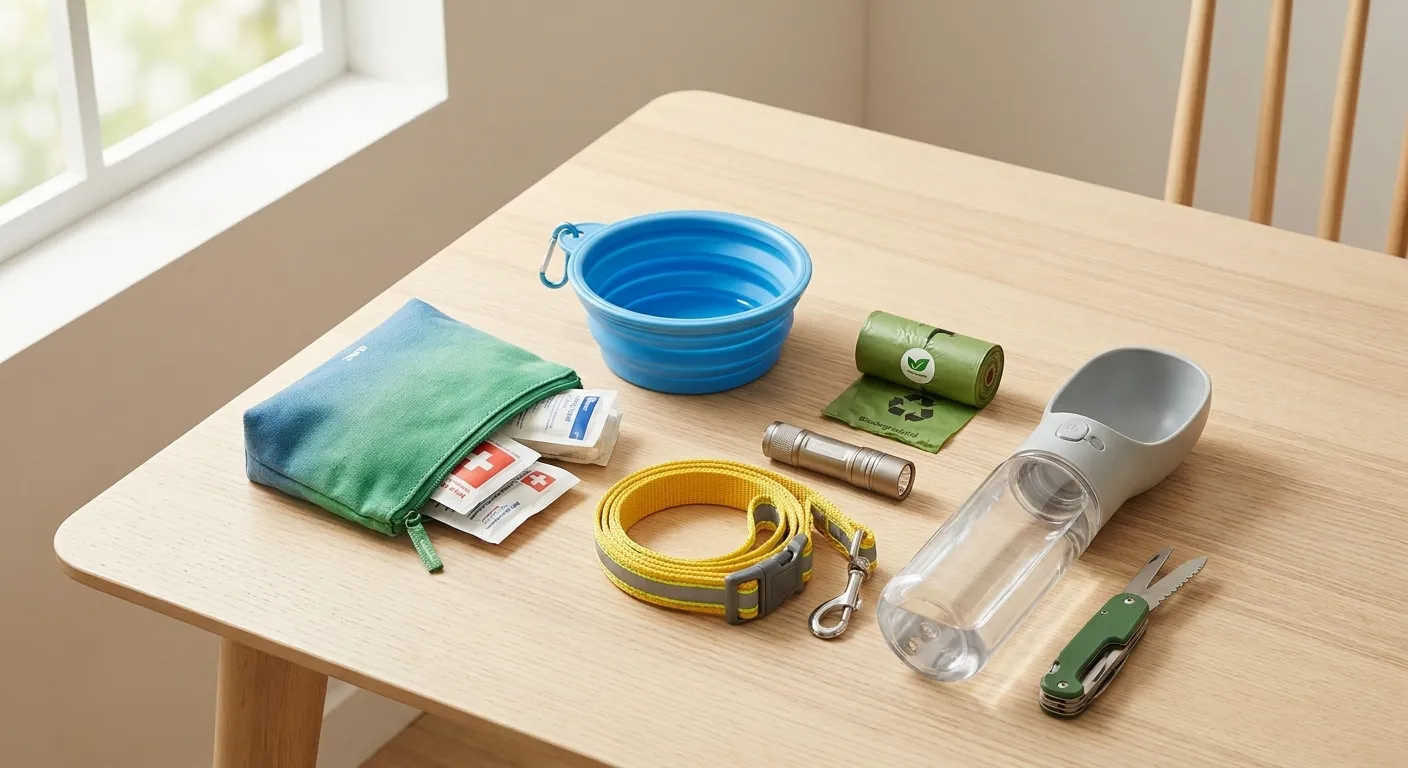
Every walk with your furry friend is an adventure, a chance to explore, sniff, and bond. But just like any adventure, unexpected situations can arise. From a minor paw scrape to an unforeseen weather change, being prepared can make all the difference in keeping your dog safe and your stress levels low. This is where a well-stocked dog walking emergency kit becomes your best friend’s best friend.
At Expert Dog Walking Tips, we believe in empowering dog owners with the knowledge and tools to handle anything, turning potential worries into manageable moments. We understand that life with a dog is full of joy, and we want to help you maintain that joy, even when the unexpected happens. Therefore, let’s walk through how to assemble an essential kit that ensures you’re ready for whatever the trail throws your way.
Why Every Walk Needs a Dog Walking Emergency Kit
Imagine you’re on a beautiful hike, and suddenly Max, your energetic Golden Retriever, steps on something sharp. Or perhaps the sky darkens unexpectedly, and a downpour begins. Without preparation, these scenarios can quickly become distressing. A comprehensive canine walk safety gear collection isn’t about anticipating disaster; it’s about being proactive and ensuring you can provide immediate care and comfort when needed. It’s about maintaining that positive, joyful experience even when things don’t go exactly as planned. Furthermore, having a ready kit demonstrates your commitment to your dog’s well-being.
Consider this: a small cut on a paw, if not cleaned promptly, could become infected. Similarly, a sudden downpour without a way to keep your dog dry might lead to them getting chilled. Being prepared means you can address these issues quickly, minimizing discomfort for your dog and stress for you. Ultimately, it allows you to enjoy your walks more fully, knowing you’re equipped for various eventualities.
The Peace of Mind Factor
Knowing you have a dog walking emergency kit ready to go offers incredible peace of mind. You can step out the door with confidence, knowing you have the essentials to handle common mishaps. This preparedness fosters a stronger bond with your dog, as they sense your calm and readiness. Moreover, it allows you to explore new trails and longer routes without undue anxiety. Many dog owners find that this proactive approach significantly enhances their overall walking experience.
Common Scenarios a Kit Can Solve
- Minor Injuries: Cuts, scrapes, paw pad abrasions, or even insect stings.
- Unexpected Weather: Sudden rain, cold snaps, or intense sun.
- Getting Lost: Having identification and a way to contact help.
- Dehydration or Low Energy: Ensuring access to water and a quick snack.
- Tick or Thorn Removal: Quick and safe extraction of irritants.
What to Pack: Your Essential Canine First-Aid Checklist
Building your pet first aid kit doesn’t have to be complicated. Focus on items that address common minor injuries, provide comfort, and assist in identifying or managing your dog in an emergency. Remember, this isn’t for major medical emergencies, which always require immediate veterinary attention. Instead, it’s for those smaller, yet significant, situations that can arise during a walk. Consequently, each item in your kit should serve a practical purpose.
Basic Wound Care Essentials
Minor cuts, scrapes, or paw pad injuries are common. Having these items on hand can prevent a small issue from becoming a larger problem. For instance, a clean wound heals much faster than an uncleaned one. Therefore, proper wound care is paramount.
- Antiseptic Wipes/Solution: Gentle, pet-safe options to clean wounds (e.g., chlorhexidine wipes). Always choose products specifically formulated for pets to avoid irritation.
- Gauze Pads and Vet Wrap: Non-stick pads for covering wounds and self-adhering vet wrap to secure dressings without sticking to fur. Vet wrap is incredibly useful because it sticks to itself, not your dog’s coat.
- Small Scissors: For cutting gauze, tape, or freeing your dog from entanglement. These should be blunt-tipped for safety.
- Tweezers: For removing thorns, splinters, or ticks. A good pair of fine-tipped tweezers can be invaluable for delicate removal.
- Disposable Gloves: To maintain hygiene when cleaning wounds. This protects both you and your dog.
Identifying and Contacting Help
In a true emergency, quick access to information and contacts is vital. This section of your kit is all about rapid identification and communication. Indeed, every second counts when your dog’s safety is at stake. Make sure this information is easily accessible, perhaps in a waterproof pouch.
- Emergency Contact Card: Include your name, phone number, your vet’s number, and an emergency contact person. Consider adding a note about any known allergies your dog has.
- Proof of Rabies Vaccination/ID: A small laminated card with your dog’s microchip number and rabies tag info. This can be crucial for identification and legal compliance. For more on keeping your dog safe, explore ID tags and GPS trackers.
- Current Photo of Your Dog: In case they get lost, a clear, recent photo can be invaluable. Ensure it’s a photo where distinguishing marks are visible.
- Whistle: A loud whistle can help you signal for help if you’re in a remote area or need to get your dog’s attention over a distance.
Hydration and Sustenance
Even on short walks, proper hydration and a quick energy boost can be crucial. Dogs can dehydrate quickly, especially in warm weather or during strenuous activity. Consequently, always prioritize water. A well-hydrated dog is a happy and healthy dog.
- Collapsible Water Bowl: Lightweight and easy to carry. Many options clip right onto your bag.
- Bottled Water: Enough for both you and your dog. Always carry more than you think you’ll need.
- High-Value Treats: For distraction, positive reinforcement, or a quick energy boost if your dog seems low. These can also be used to reward good behavior.
- Small Bag of Kibble: For longer hikes or unexpected delays, a small portion of their regular food can be a lifesaver.
Navigation and Visibility
Getting lost or caught out after dark can be frightening. Equip yourself with tools for guidance and to ensure you and your dog are seen. Visibility is key, especially in low-light conditions. Therefore, never underestimate the importance of being visible.
- Small Flashlight or Headlamp: Essential for navigating after dusk or in dimly lit areas. Choose one with a strong beam.
- Reflective Vest/Bandana for Your Dog: Increases visibility to motorists and other walkers. Safety vests are a great option for added visibility.
- Fully Charged Phone: For emergencies, navigation apps, and contacting others. Consider a portable power bank for longer excursions.
- Map (Physical or Digital): Especially useful for unfamiliar trails. Do not rely solely on your phone’s battery.
Comfort and Cleanup
Sometimes, it’s the little things that make a big difference. These items ensure comfort for your dog and help you leave no trace. Cleaning up after your dog is not only courteous but also essential for trail etiquette.
- Poop Bags: Always carry more than you think you’ll need. Proper disposal is vital for the environment and public health.
- Small Towel: For drying wet paws, wiping off mud, or providing a makeshift cushion. A microfiber towel works wonders.
- Emergency Blanket (Foil Type): Lightweight and compact, it can provide warmth for a chilled dog or even a human in a pinch. These are surprisingly effective at retaining body heat.
Building Your Customized Dog Walking Emergency Kit
While the above list provides a solid foundation, your ideal canine trek safety gear will depend on several factors. Consider your dog’s specific needs, the typical environment of your walks, and the duration of your outings. For instance, a small Chihuahua walking on city sidewalks will have different needs than a large Husky hiking in the mountains. This customization ensures your kit is truly effective.
Consider Your Environment
- Urban Walks: Focus on identification, basic first aid for paw injuries (glass, sharp objects), and poop bags.
- Trail/Hiking: Emphasize tick removal, more robust first aid, navigation tools, and extra water/food.
- Rural Areas: Include a whistle, stronger flashlight, and perhaps a small bell for your dog to alert wildlife to their presence.
Dog-Specific Needs
- Medications: If your dog has a medical condition, always carry their prescribed medication.
- Booties: For sensitive paws or extreme weather conditions (hot pavement, snow, rough terrain).
- Allergy Medication: If your dog is prone to allergic reactions (e.g., to insect stings), consult your vet about carrying an antihistamine.
- Special Diet Treats: If your dog has dietary restrictions, ensure any treats you pack are safe for them.
Packing and Maintaining Your Kit
Once you’ve gathered all your supplies, how do you keep them organized and ready? The goal is easy access and regular replenishment. After all, a well-stocked kit is only useful if you can find what you need quickly. Therefore, thoughtful packing is essential.
Choosing the Right Bag
A small, lightweight backpack or a dedicated fanny pack works well. Look for something durable, water-resistant, and with multiple compartments for easy organization. Some dog owners even use a saddlebag-style pack on their dog, though this should be introduced gradually and only if your dog is comfortable. The key is portability and accessibility.
Organization is Key
Group similar items together. For example, all wound care items in one small pouch, identification in another. Labeling these pouches can save precious time in an emergency. Furthermore, consider using clear, waterproof bags for important documents and electronics. This prevents damage from moisture.
Regular Checks and Replenishment
Your dog walking emergency kit isn’t a ‘set it and forget it’ item. Check it regularly, perhaps once a month, or after any significant use. Replace expired medications, used bandages, or depleted water and treats. Ensure batteries in flashlights are fresh. This routine maintenance guarantees that your kit is always ready when you need it most. Consequently, you’ll feel confident every time you head out.
For instance, if you used your antiseptic wipes last week, make sure to replace them before your next long hike. Similarly, check the expiration dates on any medications. A proactive approach to kit maintenance is just as important as the initial assembly.
Beyond the Kit: Essential Habits for Safe Walks
While a well-prepared dog walking emergency kit is invaluable, it’s just one piece of the puzzle. Combining your kit with smart walking habits further enhances your dog’s safety and your peace of mind. After all, prevention is always better than cure.
- Know Your Route: Familiarize yourself with the area, potential hazards, and escape routes.
- Inform Someone: Let a friend or family member know your planned route and expected return time, especially for longer hikes.
- Observe Your Dog: Pay attention to their body language. Are they tired? Overheated? Showing signs of discomfort?
- Leash Etiquette: Always use a secure leash and harness. This prevents your dog from running into traffic or getting lost.
- Weather Awareness: Check the forecast before you go. Dress yourself and consider your dog’s needs for the expected conditions.
By integrating these habits with your readily available canine walk safety gear, you create a comprehensive safety net. Expert Dog Walking Tips is dedicated to helping you foster a joyful and secure relationship with your canine companion. We believe that every walk should be an opportunity for positive experiences, and preparedness is a cornerstone of that philosophy. From choosing the right chew toys to understanding the nuances of dog behavior, we’re here to support you.
Moreover, consider taking a pet first aid course. Knowing how to use the items in your kit effectively can make a significant difference in an emergency. Resources like the American Red Cross offer valuable training. These courses provide practical skills that complement your physical kit, empowering you to act confidently when needed.
Conclusion: Walk with Confidence and Care
Building and maintaining a dog walking emergency kit is an act of love and responsibility. It’s a proactive step that transforms potential worries into manageable moments, ensuring that your walks remain joyful, safe, and stress-free. With your essential canine walk safety gear in tow, you’re not just prepared for the unexpected; you’re demonstrating a deep commitment to your dog’s well-being. So, go forth and explore with confidence, knowing you’re ready for whatever adventures await!
Remember, every prepared step is a step towards a happier, healthier life for you and your best friend. For more helpful information and tips, be sure to visit our blog.
Frequently Asked Questions About Dog Walk Preparedness
What should I include in a basic dog first aid kit for walks?
A basic pet first aid kit for walks should include antiseptic wipes, gauze pads, vet wrap, small scissors, tweezers, and disposable gloves. These items help address minor cuts, scrapes, and other small injuries your dog might encounter on the trail or sidewalk.
How often should I check and replenish my canine safety gear?
It’s a good practice to check your canine safety gear at least once a month. Replace any expired medications, used supplies like bandages, and replenish water and treats. Also, ensure flashlight batteries are working. Regular checks guarantee your kit is always ready.
What are some important identification items for a dog walk safety pack?
Important identification items for a pet walk safety pack include an emergency contact card with your vet’s number, your dog’s microchip number, proof of rabies vaccination, and a current photo of your dog. These are crucial if your dog gets lost.
Are there specific items for different walking environments in a dog trek preparedness kit?
Yes, your dog trek preparedness kit can be customized. For urban walks, focus on paw care and identification. For hikes, add tick removal tools, more water, and navigation aids. Always consider the specific hazards of your chosen environment when assembling your supplies.
Why is a small towel a useful addition to a dog walking emergency kit?
A small towel is a versatile and useful addition to a dog walking emergency kit. It can be used to dry wet paws, wipe off mud, clean up spills, or even provide a makeshift comforting layer for your dog. A microfiber towel is particularly effective due to its absorbency and quick-drying properties.
Where can I learn more about pet first aid?
Learning pet first aid can greatly enhance your ability to help your dog in an emergency. Organizations like the ASPCA and the American Red Cross offer resources and courses on pet first aid and CPR. These trainings provide valuable hands-on skills that complement your emergency kit.

