
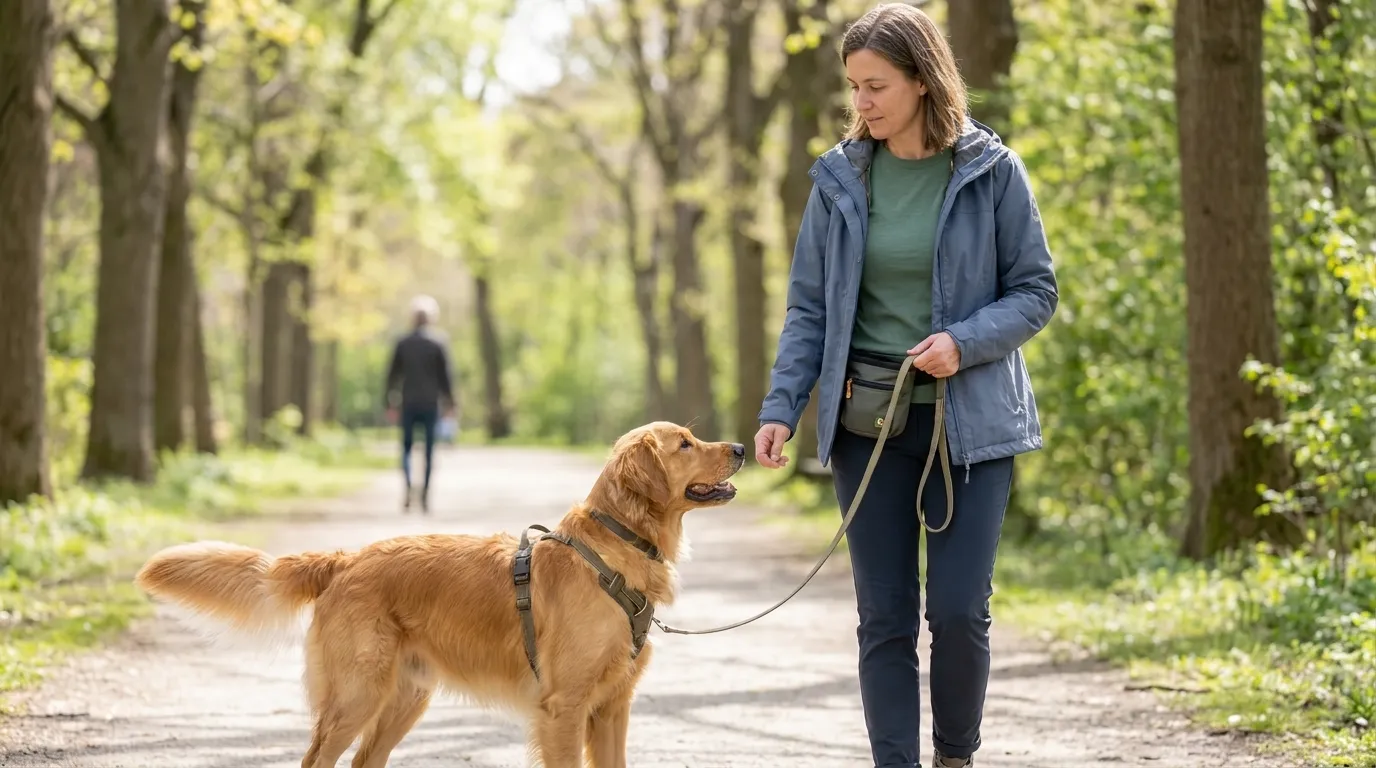
Walking a reactive dog can indeed be challenging, often leading to stress for both handler and pup. If your dog barks, lunges, or growls at other dogs, people, or objects while on a leash, you’re not alone. Many dog owners face this very situation. The good news is that with understanding, patience, and the right approach, you can learn effective strategies for managing reactive dogs on leash. Our goal at Expert Dog Walking Tips is to make walks less stressful and more enjoyable for everyone involved, fostering a stronger bond between you and your canine companion.
Understanding Reactivity and Its Triggers
Reactivity isn’t aggression; it’s often a dog’s over-the-top response to perceived threats or overstimulation. This behavior is typically driven by underlying emotions like fear, frustration, or even over-excitement. For instance, a dog might react out of fear if they had a negative past experience with another dog, or out of frustration if they desperately want to greet another dog but are held back by the leash. Triggers can vary widely from one dog to another; they might include specific breeds of dogs, children on bikes, or even certain sounds like skateboards. Identifying your dog’s specific triggers is the crucial first step in successfully handling leash reactivity. Moreover, understanding their ‘threshold’ – the point at which they react – is equally important. To help with this, we recommend keeping a detailed journal. Note down what, when, and where reactions occur. This invaluable data helps you predict and proactively avoid situations that push your dog over their limit, thereby creating a solid foundation for successful training and a calmer walking experience.
Effective Strategies for Managing Reactive Dogs on Leash
Once you have a clear understanding of your dog’s triggers, you can begin to implement effective management and training techniques. Management primarily involves avoiding triggers whenever possible. This might mean crossing the street when you see another dog approaching, changing direction to create more distance, or choosing to walk at less busy times of day. By managing the environment, you prevent your dog from practicing the reactive behavior, which is a key part of the process. For training, we focus on two powerful techniques: ‘desensitization’ and ‘counter-conditioning.’ Desensitization means gradually exposing your dog to triggers at a distance where they notice them but do not react – this is known as being ‘below threshold.’ Concurrently, counter-conditioning involves pairing that trigger with something incredibly positive, such as high-value treats or a favorite toy. For example, if Max sees another dog from afar and remains calm, Ava immediately gives him a tasty reward. This consistent pairing teaches your dog to associate the trigger with good things, rather than fear or frustration. Consequently, their emotional response gradually shifts. For personalized support and tailored guidance, we strongly recommend seeking assistance from a certified professional dog trainer. They can provide invaluable insights and hands-on help.
Building Essential Skills for Leash Reactivity
Beyond immediate management, equipping your dog with specific skills is vital for long-term progress in handling leash reactivity. First and foremost, work on a strong ‘look at me’ cue. This teaches your dog to redirect their attention from a potential trigger back to you on command. Start practicing this in a quiet, low-distraction environment, rewarding generously when your dog makes eye contact. Gradually introduce more distractions as they improve. Secondly, a reliable ‘U-turn’ or ‘let’s go’ cue is incredibly useful for quickly disengaging from a trigger. This allows you to smoothly change direction and create distance before a reaction escalates. Practice these cues frequently and make them fun and rewarding. Furthermore, teaching your dog to walk on a loose leash is fundamental. A tight leash can actually increase a dog’s stress and perceived threat, exacerbating reactive tendencies. Utilize positive reinforcement methods, rewarding your dog for keeping slack in the leash. Consider exploring various interactive toys or puzzle toys at home to help burn mental energy, which can also contribute to calmer walks.
Gear and Tools for Supporting Your Reactive Dog
Selecting the right equipment can significantly aid your efforts in managing reactive dogs on leash. While no single tool is a magic fix, certain harnesses and leashes can provide better control and comfort. A front-clip harness, for instance, can help reduce pulling by redirecting your dog’s momentum back towards you. Similarly, a well-fitting head halter can offer excellent control without causing discomfort, guiding your dog’s head and body away from triggers. Always opt for equipment that is comfortable and humane, avoiding anything that causes pain or fear. Additionally, a longer leash (6-8 feet) can provide more flexibility and space for your dog to move, which can be beneficial for some reactive dogs, allowing them to feel less constrained. However, ensure you can still maintain control in busier environments. For safety, especially if your dog has a strong reaction, a muzzle might be a temporary, responsible tool. If considering a muzzle, ensure it’s a basket muzzle that allows your dog to pant and drink water comfortably. Training your dog to happily wear a muzzle is crucial; never force it. You can learn more about appropriate muzzles and their training on our site.
Creating a Predictable and Positive Routine
Dogs thrive on routine and predictability, and this is especially true for reactive dogs. Establishing a consistent daily schedule for walks, feeding, and playtime can significantly reduce anxiety. Try to walk your dog at similar times each day, and if possible, vary your routes to prevent your dog from anticipating triggers on a specific path. However, if you know a particular route is problematic, it’s perfectly fine to avoid it for a while. Importantly, focus on making every interaction with your dog positive and reinforcing. Celebrate small victories during walks – a moment of calm near a trigger, a successful ‘look at me,’ or simply a loose leash walk for a few steps. These positive experiences build confidence in both you and your dog, making the journey of handling leash reactivity much more rewarding. Remember, every step forward, no matter how small, is a cause for celebration. Consistency and positive reinforcement are your most powerful allies.
Enrichment Beyond the Walk
While walks are important, they aren’t the only source of exercise and mental stimulation for your dog. For reactive dogs, especially, finding alternative ways to burn energy and engage their minds can be incredibly beneficial. Consider incorporating brain games and scent work into their daily routine. For example, hiding treats around the house for them to find or using chew toys and puzzle feeders can provide significant mental enrichment. These activities help reduce stress and can even improve their overall behavior on walks. Similarly, engaging in structured play sessions in a secure, private area can be a fantastic outlet for physical energy without the stress of encountering triggers. Flirt poles, fetch in a fenced yard, or even training new tricks indoors can be wonderful alternatives. A dog who is mentally and physically satisfied at home is often a calmer and more resilient dog when out in the world.
The Importance of Professional Guidance
While this guide offers many practical strategies for managing reactive dogs on leash, navigating this journey can be complex. There are nuances to every dog’s reactivity, and what works for one might not be ideal for another. This is precisely why professional guidance is so valuable. A certified professional dog trainer or a veterinary behaviorist can assess your dog’s specific situation, identify underlying causes, and develop a tailored training plan. They can also teach you the proper timing and technique for exercises like desensitization and counter-conditioning, ensuring you’re setting both yourself and your dog up for success. Moreover, they can help rule out any underlying medical conditions that might be contributing to the reactivity. Don’t hesitate to reach out for expert help; it can make a significant difference in your progress and reduce your own stress levels. Organizations like the Certification Council for Professional Dog Trainers (CCPDT) or the Pet Professional Guild (PPG) are excellent resources for finding qualified professionals in your area. Remember, you don’t have to face this alone.
Celebrating Progress and Staying Positive
The journey of handling a reactive dog is often a marathon, not a sprint. There will be good days and challenging days. It’s essential to celebrate every small victory and acknowledge the progress you and your dog are making. Perhaps your dog noticed a trigger but didn’t bark, or maybe they redirected their attention to you more quickly than usual. These are significant achievements! Maintaining a positive and patient attitude is crucial, as your emotions can influence your dog’s state. Dogs are incredibly perceptive of our feelings. Frustration or anxiety from your end can inadvertently heighten their stress. Instead, approach each walk with a calm and confident demeanor. Remember why you started this journey: to build a stronger, happier relationship with your beloved companion. With consistent effort, empathy, and the right strategies, you can transform walks into positive experiences for both of you. Keep track of your successes, and don’t be afraid to adjust your approach as you learn more about what helps your dog thrive. Every step you take in teaching your dog to navigate the world calmly is a testament to your dedication.
Conclusion
Successfully navigating the world with a reactive dog on leash requires dedication, understanding, and consistent positive reinforcement. By identifying triggers, implementing smart management strategies, and consistently practicing desensitization and counter-conditioning, you can help your dog feel more secure and less overwhelmed. Remember to equip yourselves with appropriate gear and seek professional guidance when needed. Most importantly, embrace patience, celebrate every small victory, and maintain a positive outlook. Your commitment to your dog’s well-being will pave the way for calmer, more enjoyable walks, strengthening the incredible bond you share. We are here to support you every step of the way on this rewarding journey toward peaceful strolls with your best friend.
FAQ
What exactly is canine reactivity?
Canine reactivity refers to a dog’s exaggerated response to certain stimuli, like barking, lunging, or growling, often driven by fear, frustration, or over-excitement, rather than true aggression. It’s a communication of discomfort or overwhelm.
How can I identify my dog’s specific triggers for leash reactions?
To identify triggers, observe your dog closely during walks. Keep a detailed journal, noting what, when, and where your dog reacts. Pay attention to specific sights, sounds, or smells that consistently precede their responses. This helps you understand their unique sensitivities.
Are there any specific tools or harnesses recommended for dogs that lunge on leash?
Yes, some tools can help. A front-clip harness can redirect your dog’s pulling motion, and a head halter offers gentle guidance. It’s essential to choose comfortable, humane equipment and to introduce any new gear positively. Remember, these are aids, not solutions, and should be used alongside training.
How long does it typically take to see improvement when working with a dog with leash reactivity?
The timeline for improvement varies greatly depending on the dog, the consistency of training, and the severity of the reactivity. It’s often a gradual process that can take weeks, months, or even longer. Patience and persistence are key, celebrating small successes along the way.
Can professional training really make a difference for a dog that reacts to things on walks?
Absolutely! A certified professional dog trainer or veterinary behaviorist can provide invaluable personalized assessment, develop a tailored training plan, and teach you effective techniques like desensitization and counter-conditioning. Their expertise can significantly accelerate progress and provide crucial support.
What role does mental enrichment play in reducing a dog’s reactive behaviors?
Mental enrichment is incredibly important. Engaging your dog’s mind with activities like puzzle toys, scent work, and training new tricks can help reduce overall stress and frustration. A mentally satisfied dog often has more self-control and is less likely to react negatively during walks.

