
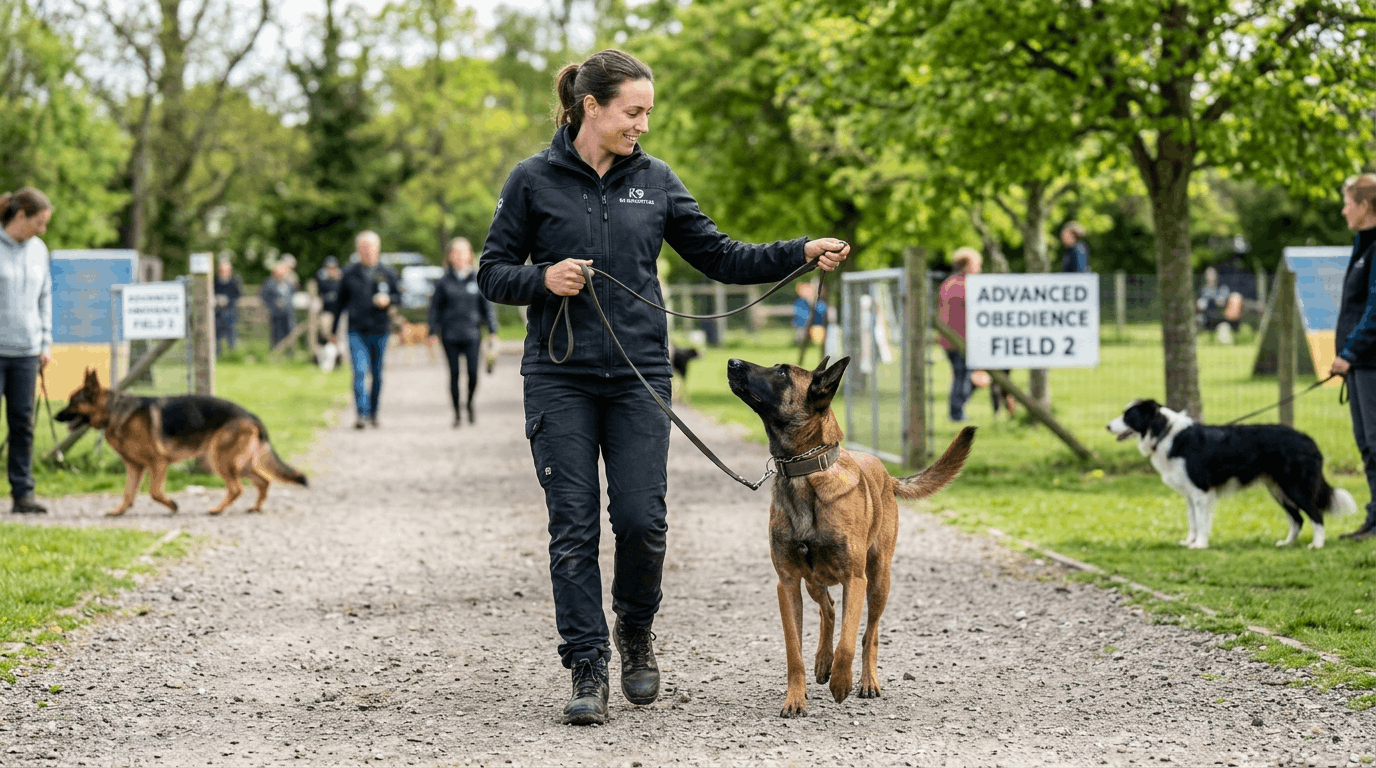
Walking a strong or stubborn dog that constantly pulls can feel exhausting and frustrating. Many owners begin leash training with patience and optimism, only to feel discouraged when pulling behavior continues despite weeks or even months of effort. Some dogs lunge toward distractions, ignore commands outdoors, or seem completely disconnected once excitement takes over. In these situations, basic leash work may no longer feel effective enough. That is where advanced leash training becomes extremely valuable.
Dogs that pull are not always stubborn in the traditional sense. In many cases, pulling develops because dogs feel overstimulated, emotionally excited, undertrained around distractions, or unintentionally rewarded for tension on the leash.
Advanced training focuses on deeper communication, emotional regulation, environmental management, and stronger engagement between dog and owner. Instead of relying on force or punishment, this approach teaches dogs how to think calmly and respond consistently even in challenging situations.
Many pulling problems also involve emotional habits that basic training does not fully address. Dogs rehearse excitement, frustration, or impulsive movement repeatedly during walks until pulling becomes automatic behavior.
Changing those habits requires patience, structure, and more advanced communication skills over time.
With the right methods and consistent practice, even strong-willed dogs can learn calmer leash manners while building better focus and emotional balance outdoors.
Why Some Dogs Continue Pulling Despite Training
Many owners feel confused when leash training seems successful indoors or in quiet areas but completely fails outdoors. However, dogs often struggle because real-world distractions overwhelm their emotional control.
Advanced leash training becomes necessary when dogs already understand basic commands but cannot apply them consistently in stimulating environments.
Dogs naturally move faster than humans and become highly motivated by smells, movement, excitement, and environmental stimulation. If pulling repeatedly allows dogs to reach interesting things faster, the behavior becomes strongly reinforced.
Some dogs also pull because they feel anxious or frustrated. Others become overstimulated easily and lose focus entirely once outdoors.
Breed instincts contribute heavily as well. Sporting breeds, hounds, and working dogs often display stronger pulling tendencies because of genetics, energy levels, and environmental drive.
Basic obedience alone rarely solves advanced leash problems completely because emotional regulation matters just as much as commands.
Owners must teach dogs how to stay mentally connected even while processing distractions and excitement.
Understanding the emotional reasons behind pulling helps owners train more effectively instead of assuming the dog is intentionally disobedient.
Mental Engagement Changes Everything
One of the most important parts of advanced leash training involves improving mental engagement during walks.
Dogs that remain mentally disconnected from their owners usually continue pulling regardless of physical equipment or corrections.
Engagement means the dog voluntarily checks in, responds to communication, and stays emotionally aware of the owner even while distractions exist.
Training engagement begins in low-distraction environments before gradually progressing outdoors.
Owners should reward eye contact, calm walking, and voluntary attention consistently. These small moments build stronger communication over time.
High-value treats often help significantly during advanced work because dogs need strong motivation to choose focus over environmental distractions initially.
Changing direction unexpectedly also encourages dogs to pay closer attention during movement.
Engagement should feel rewarding rather than forced. Dogs learn more effectively when they view their owners as valuable sources of guidance, safety, and positive experiences.
Mentally engaged dogs naturally pull less because they stay emotionally connected instead of operating independently at the end of the leash.
Why Emotional Regulation Matters More Than Obedience
Many dogs technically know commands such as heel or sit but still struggle emotionally during walks. Excitement, frustration, or anxiety often overpower obedience completely once stimulation increases.
Advanced leash training focuses heavily on emotional control because calm thinking always improves behavior more effectively than constant correction.
Dogs must learn how to regulate excitement before they can consistently maintain loose leash walking outdoors.
Calmness should become rewarding. Owners can reinforce slower movement, relaxed body language, and emotional self-control regularly during walks.
Overexcited dogs often need slower-paced walks instead of fast physical exercise that increases adrenaline further.
Mental stimulation before walks also improves emotional balance significantly. Puzzle toys, scent games, or short obedience sessions help release mental energy constructively beforehand.
Dogs that feel emotionally balanced usually respond far better to training cues outdoors.
Calm emotional states create better learning opportunities than overstimulation ever can.
Structured Walking Routines Create Better Habits
Many dogs pull because walks lack structure and predictability. Without consistent expectations, dogs simply follow impulses and environmental excitement naturally.
Advanced leash training relies heavily on structured routines that help dogs understand exactly what behaviors earn forward movement and rewards.
Owners should establish clear rules before walks begin. Calm leash attachment, waiting at doors, and controlled exits help create emotional balance immediately.
Dogs should not rush wildly out the door because that excitement often continues throughout the entire walk.
Consistent walking positions also help greatly. Dogs that constantly weave or switch sides often struggle with focus and impulse control.
Owners do not need rigid competition-style heel positions constantly. However, predictable movement patterns improve communication significantly.
Short pauses throughout walks help dogs reset emotionally as well. Asking for brief sits or calm check-ins prevents dogs from remaining in nonstop excitement mode continuously.
Structure creates clarity, and clarity helps dogs feel calmer and more secure during training.
Using Distance to Improve Success
Many owners attempt leash training too close to overwhelming distractions too quickly. Unfortunately, dogs cannot learn effectively once they become emotionally overloaded.
Advanced leash training often succeeds because owners learn how to manage distance strategically.
Distance creates emotional space that allows dogs to stay calmer and think more clearly.
For example, reactive or excitable dogs may initially need to remain far away from bicycles, dogs, crowds, or busy streets while practicing focus exercises.
Gradually decreasing distance over time helps dogs build emotional resilience without becoming overwhelmed.
Owners should observe body language carefully. Stiff posture, intense staring, whining, or lunging often indicate the dog has crossed emotional thresholds.
Training beneath those thresholds creates much faster long-term progress.
Dogs cannot process advanced learning while emotionally overloaded, regardless of how many commands owners repeat.
Patience and strategic distance management often transform difficult walks dramatically over time.
How Reinforcement Timing Changes Behavior
Reward timing becomes extremely important during advanced leash training because dogs learn from precise moments rather than general situations.
Owners should reward desired behavior immediately while the dog performs it rather than afterward.
Loose leash moments, calm attention, relaxed walking, and emotional self-control all deserve reinforcement consistently.
Many owners accidentally reward pulling by continuing forward movement despite leash tension. Consequently, dogs learn that pulling successfully moves them closer to desired destinations.
Stopping movement during pulling teaches dogs that tension slows progress instead of accelerating it.
Once the leash relaxes, movement resumes calmly again.
Clear consequences combined with positive reinforcement create better understanding without relying on punishment or intimidation.
Consistency matters enormously here. Mixed responses often confuse dogs and slow progress considerably.
Precise timing helps dogs understand exactly which behaviors produce rewards and forward movement during walks.
Advanced Directional Changes Improve Focus
Changing direction strategically helps prevent dogs from mentally disconnecting during walks.
Advanced leash training frequently uses unpredictable movement patterns to encourage dogs to stay attentive instead of forging ahead automatically.
Sudden calm turns teach dogs that paying attention matters more than rushing forward independently.
Owners should avoid jerking the leash harshly during turns. Instead, movement itself becomes the communication tool.
Rewarding dogs for reorienting calmly reinforces attention and engagement naturally.
Frequent directional changes also interrupt pulling patterns before they intensify emotionally.
Dogs gradually learn that staying connected with the owner creates smoother and more predictable movement opportunities overall.
This method works especially well for dogs that constantly scan the environment while ignoring leash communication entirely.
Why Equipment Supports Training but Does Not Replace It
Walking equipment certainly affects comfort and control, yet equipment alone rarely solves pulling problems completely.
Advanced leash training works best when supportive gear combines with emotional regulation and consistent communication.
Front-clip harnesses often help strong pullers because they redirect forward momentum gently without relying on discomfort.
Standard fixed-length leashes usually create clearer communication than retractable leashes, which often encourage constant tension.
Comfort matters greatly too. Dogs experiencing discomfort from poor equipment fit may pull or resist movement more intensely.
However, no harness or collar automatically teaches calm leash manners independently.
Owners should view equipment as support tools rather than complete behavioral solutions.
Training, emotional balance, and consistent routines still create the real long-term behavioral changes.
Building Focus Around Real-World Distractions
Many dogs behave beautifully indoors yet completely ignore owners once distractions appear outdoors.
Advanced leash training gradually teaches dogs how to maintain focus in increasingly difficult environments without becoming emotionally overwhelmed.
Owners should increase difficulty slowly rather than jumping immediately into crowded parks or busy sidewalks.
Practicing near mild distractions first creates stronger success and emotional confidence.
Dogs learn more effectively through gradual exposure than sudden overwhelming experiences.
Training sessions should remain short and productive. Several successful minutes often create better results than long frustrating walks filled with pulling and tension.
Owners should also reward calm observation of distractions rather than waiting only for perfect obedience.
Dogs that can notice distractions calmly without reacting already demonstrate important emotional progress.
Consistency Creates Long-Term Results
Strong leash habits develop through repetition and emotional patterns over time. Consequently, inconsistent handling often creates slower progress and confusion.
Advanced leash training requires consistent expectations during every walk, even when owners feel tired or distracted.
Allowing pulling occasionally while correcting it other times weakens communication significantly because dogs cannot predict the rules clearly.
Calm handling matters too. Dogs respond strongly to owner frustration, tension, and emotional energy during walks.
Patience helps owners stay emotionally balanced while building better habits gradually.
Every successful walk reinforces calmer patterns over time, even when progress feels slow initially.
Owners should celebrate small improvements because advanced leash work often develops gradually rather than suddenly.
Loose leash moments, calmer reactions, and improved focus all represent meaningful progress worth reinforcing consistently.
Creating Calm and Reliable Walking Habits
Pulling behavior often feels frustrating because it affects everyday life so directly. However, strong leash habits rarely improve through force or correction alone. Dogs need emotional balance, engagement, and consistent communication in order to walk calmly in stimulating environments.
Advanced leash training focuses on much more than physical control. It teaches dogs how to regulate excitement, maintain focus, and stay emotionally connected with their owners even during challenging situations.
Mental engagement, structured routines, strategic distance management, and calm reinforcement all contribute to stronger leash manners over time.
Owners should also remember that progress rarely happens instantly. Dogs develop pulling habits through repetition, which means new habits also require patience and consistency to strengthen gradually.
Importantly, advanced training should still feel supportive and relationship-focused rather than harsh or intimidating. Dogs learn best when they feel emotionally secure and clearly understand expectations.
With thoughtful training, calm leadership, and realistic expectations, even stubborn dogs can eventually develop reliable and relaxed leash behavior that makes daily walks far more enjoyable for everyone involved.
FAQ
1. Why do some dogs keep pulling after basic training?
Many dogs struggle because excitement, distractions, or emotional overload overpower basic obedience outdoors.
2. What equipment works best for strong pullers?
Front-clip harnesses often improve comfort and control without placing pressure on the neck.
3. Can stubborn dogs really learn loose leash walking?
Yes. Consistent training, emotional regulation, and engagement usually improve leash manners significantly over time.
4. How long does advanced leash work usually take?
Progress varies depending on consistency, breed tendencies, emotional control, and previous training history.
5. Should I stop walking my dog if pulling gets worse?
No. Instead, reduce distractions temporarily and focus on calmer structured training sessions gradually.

