
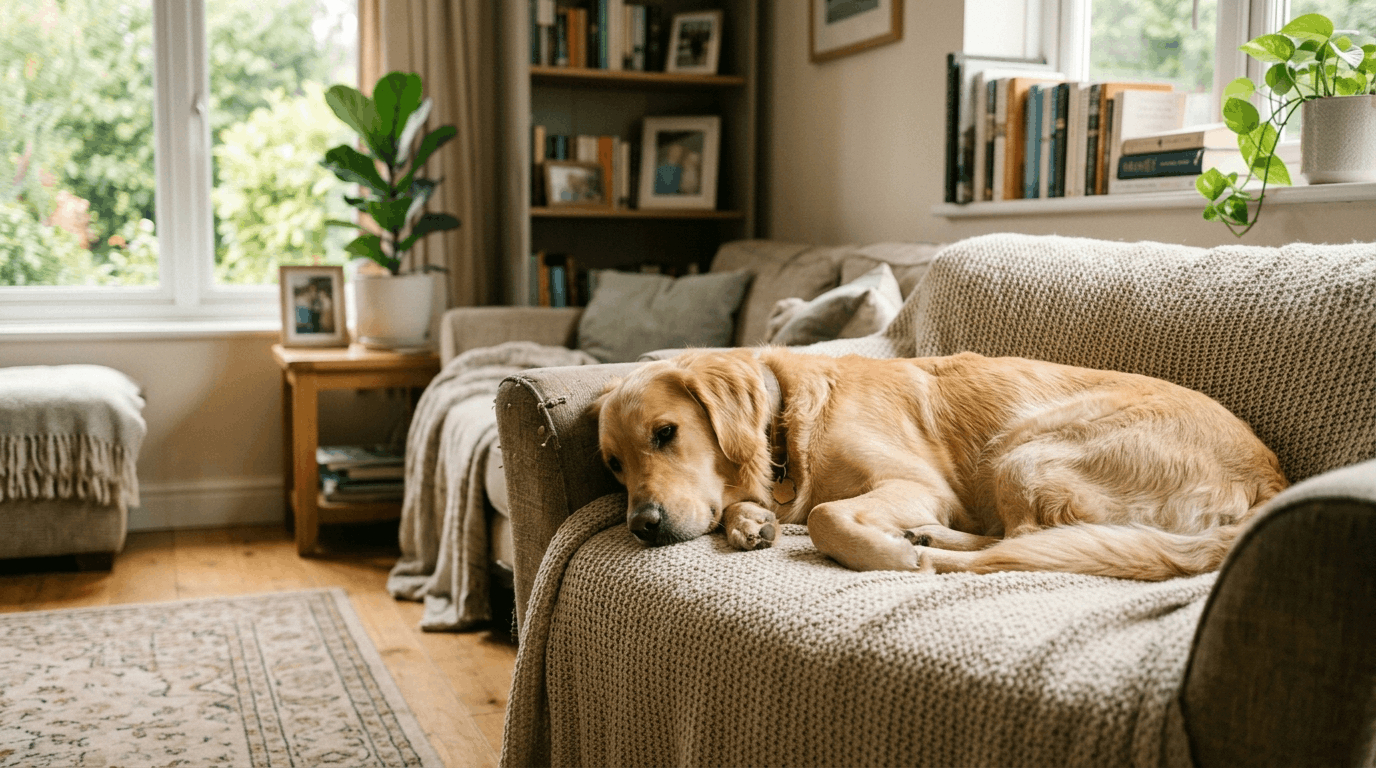
Many dog owners struggle with hyperactivity, destructive chewing, excessive barking, pacing, or restless behavior indoors. While these problems may seem frustrating, they often share one common cause: unmet physical and mental energy needs. Dogs naturally require movement, stimulation, and structured activity to feel balanced emotionally. Without healthy outlets, excess energy builds quickly and often appears as unwanted behavior inside the home. That is why regular exercise plays such an important role in creating a calm dog at home.
Exercise does much more than tire a dog physically. It also supports emotional stability, reduces anxiety, improves focus, and encourages better relaxation indoors. Dogs that receive balanced activity usually settle more easily because their minds and bodies feel satisfied.
However, exercise alone is not always enough. The type of activity, consistency, mental stimulation, and emotional balance all matter greatly. Some dogs become more hyper when exercise lacks structure or overstimulates them emotionally.
Different breeds and personalities also require different routines. High-energy working breeds often need more structured activity than smaller companion dogs. Puppies, adult dogs, and senior dogs all benefit from exercise differently as well.
The goal is not simply exhausting a dog physically. Instead, healthy exercise should create emotional balance, confidence, and relaxation that naturally carries into home behavior.
Why Dogs Become Restless Indoors
Dogs evolved to move, explore, problem-solve, and interact with their environment daily. Modern indoor lifestyles sometimes limit these natural instincts, especially when owners become busy or schedules remain inconsistent.
A calm dog at home usually develops when physical and mental needs receive consistent attention. Without enough stimulation, many dogs create their own entertainment through barking, digging, pacing, or chewing.
Energy buildup affects emotional regulation directly. Dogs with excess energy often struggle to relax because their bodies remain in a heightened state of excitement or frustration.
Mental boredom can create similar problems. Dogs need opportunities to think, sniff, explore, and engage their instincts regularly. Physical exercise alone sometimes fails if mental stimulation remains limited.
Certain breeds naturally require more activity because they were originally bred for work, retrieving, herding, or endurance tasks. These dogs often become especially restless without structured outlets.
Puppies also experience intense bursts of energy during development. Without guidance and appropriate activity, they may struggle with impulse control indoors.
Anxiety may contribute as well. Dogs that lack confidence or routine sometimes appear hyperactive because stress keeps their nervous systems activated constantly.
Understanding the cause behind restless behavior helps owners create healthier and more effective exercise routines.
How Physical Exercise Improves Behavior
Physical movement helps dogs release stored energy while supporting healthier emotional balance throughout the day. Dogs that move regularly often feel calmer, more focused, and easier to manage indoors.
A calm dog at home frequently starts with consistent daily exercise that matches the dog’s breed, age, and energy level. Walks, fetch sessions, hiking, swimming, and structured play all help release physical tension naturally.
Exercise also stimulates important brain chemicals associated with relaxation and emotional well-being. Consequently, many dogs settle more comfortably after healthy activity sessions.
Regular movement supports sleep quality as well. Dogs that receive proper exercise usually rest more deeply and calmly indoors.
Weight management provides another benefit. Overweight dogs sometimes experience frustration, discomfort, or reduced mobility that affects overall mood and behavior negatively.
Physical activity also strengthens confidence. Dogs exposed to healthy outdoor experiences often become more emotionally adaptable and resilient over time.
However, exercise should remain balanced. Excessive high-intensity activity without mental relaxation may increase adrenaline levels and create more hyperactivity instead of calmness.
The best routines combine movement with structure, consistency, and emotional support.
Mental Stimulation Is Just as Important
Many owners focus heavily on physical exercise while overlooking mental stimulation completely. Yet cognitive enrichment often plays an equally important role in creating a calm dog at home.
Dogs become mentally tired through problem-solving, scent exploration, training, and interactive activities. This type of fatigue often produces calmer indoor behavior more effectively than endless physical activity alone.
Scent games work especially well because dogs naturally experience the world through smell. Allowing dogs to sniff during walks or search for hidden treats provides powerful mental engagement.
Puzzle feeders and food-dispensing toys also encourage problem-solving while slowing eating habits and reducing boredom.
Training sessions challenge the brain while strengthening communication between owner and dog. Even short daily sessions improve focus and emotional balance significantly.
Interactive games such as hide-and-seek, obstacle courses, or toy searches provide healthy stimulation indoors during bad weather or busy schedules.
Mental enrichment helps reduce destructive behavior because dogs channel energy into productive activities instead of creating their own entertainment.
Balanced dogs usually receive both physical movement and mental engagement consistently throughout the day.
Why Structured Walks Matter
Walks remain one of the most effective tools for improving canine behavior, yet the quality of the walk matters just as much as the distance covered.
A calm dog at home often benefits from structured walks that combine movement, sniffing opportunities, and calm communication. Dogs need more than quick bathroom breaks around the block.
Sniffing during walks provides valuable mental stimulation because dogs process huge amounts of information through scent. Calm exploration helps satisfy natural instincts while reducing frustration.
Loose leash walking also improves emotional regulation. Constant pulling and chaotic movement may increase excitement rather than creating calmness.
Owners should remain patient and emotionally steady during walks. Dogs often mirror human energy levels closely, so calm handling encourages calmer behavior overall.
Changing walking routes occasionally introduces healthy novelty and mental engagement without overwhelming the dog.
Walk timing matters too. Morning walks often help release energy before long indoor periods, while evening walks may support relaxation before bedtime.
Consistency creates emotional stability. Dogs generally respond best when walks happen regularly rather than unpredictably.
Playtime Helps Release Emotional Energy
Play is much more than entertainment for dogs. Healthy play provides emotional release, confidence-building, and social interaction while strengthening the relationship between owner and dog.
A calm dog at home often develops when play sessions allow safe outlets for excitement and natural instincts. Games such as fetch, tug, chase, and flirt pole activities help dogs burn energy productively.
Fetch works especially well for retrievers and high-energy breeds because it combines movement, focus, and natural instincts.
Tug games can also support impulse control when owners teach clear rules such as drop it and wait commands during play.
Interactive play strengthens trust and communication because dogs learn to engage positively with their owners instead of seeking stimulation independently.
However, overstimulation should still be avoided. Some dogs become excessively aroused during rough or nonstop play sessions. Therefore, owners should include calm pauses and relaxation between exciting activities.
Balanced play teaches dogs how to transition from excitement back into calmness more effectively.
How Exercise Reduces Anxiety
Exercise often helps anxious dogs feel calmer because movement naturally reduces stress hormones and nervous energy. Dogs experiencing anxiety frequently benefit from predictable physical activity and outdoor exposure.
A calm dog at home may emerge gradually once anxious energy decreases through healthy routines and structured exercise opportunities.
Walking and sniffing help nervous dogs process environmental information calmly while building confidence over time. Repeated positive outdoor experiences often improve emotional resilience significantly.
Exercise also creates healthier sleep patterns, which directly affect emotional stability and recovery.
However, fearful dogs should never feel forced into overwhelming situations. Calm exposure and gradual confidence-building work much better than excessive stimulation.
Predictable routines help anxious dogs feel emotionally secure because they learn what to expect each day.
Physical movement combined with emotional support creates healthier coping mechanisms for many nervous dogs.
Exercise Needs Change With Age
Different life stages require different exercise approaches. Puppies, adult dogs, and senior dogs all benefit from activity, although the intensity and structure should match their physical abilities carefully.
Puppies need short bursts of exercise mixed with frequent rest periods. Overexercising young dogs may strain developing joints and muscles unnecessarily.
A calm dog at home during puppyhood often develops through balanced routines involving play, naps, socialization, and short training sessions rather than endless physical activity.
Adult dogs usually require more consistent exercise based on breed and energy level. Working breeds often need significantly more stimulation than lower-energy companion dogs.
Senior dogs still benefit greatly from movement, although gentler activities usually work best. Slow walks, swimming, and light play help maintain mobility while supporting emotional well-being.
Mental stimulation remains valuable throughout every life stage because cognitive engagement supports emotional health even when physical activity decreases with age.
Adjusting exercise routines over time helps dogs remain comfortable, healthy, and emotionally balanced as their needs change.
The Role of Routine in Relaxation
Exercise becomes even more effective when combined with predictable routines. Dogs thrive on consistency because routines create emotional security and reduce uncertainty.
A calm dog at home often develops when feeding, exercise, playtime, and rest happen at relatively consistent times each day.
Predictable schedules help regulate energy patterns naturally. Dogs learn when activity happens and when relaxation should occur.
Morning exercise often improves daytime behavior significantly, especially for energetic dogs that struggle indoors otherwise.
Evening routines also matter greatly. Calm walks, quiet interaction, and lower stimulation before bedtime help dogs settle more comfortably overnight.
Owners should also create opportunities for rest and decompression throughout the day. Dogs need downtime between activity sessions to process stimulation and recover emotionally.
Balanced routines teach dogs how to shift smoothly between excitement and calmness instead of remaining overstimulated constantly.
Signs Your Dog Needs More Activity
Dogs communicate unmet exercise needs through behavior changes long before owners realize the problem fully. Recognizing these signs early helps prevent frustration and behavioral escalation.
Excessive barking often signals boredom or excess energy. Likewise, destructive chewing may indicate the dog needs more mental or physical stimulation.
A calm dog at home usually rests comfortably after exercise, while under-stimulated dogs often pace, whine, or seek constant attention instead.
Hyperactivity during evening hours may also suggest insufficient daytime activity.
Pulling excessively during walks sometimes indicates excitement overload caused by limited stimulation elsewhere in the routine.
Restlessness, difficulty settling, digging, and attention-seeking behaviors commonly appear when dogs lack appropriate outlets.
However, owners should avoid assuming all behavior problems stem solely from exercise needs. Medical issues, anxiety, and environmental stress can contribute too.
Balanced observation helps owners adjust routines thoughtfully rather than simply increasing activity endlessly.
Creating Long-Term Balance Through Exercise
Exercise plays one of the most important roles in helping dogs feel emotionally balanced, physically healthy, and behaviorally stable. While every dog has unique needs, consistent movement and mental engagement often transform home behavior dramatically.
A calm dog at home rarely develops through punishment or constant correction alone. Instead, calmness usually grows naturally when dogs receive healthy outlets for energy, curiosity, and emotional stimulation.
Balanced routines involving walks, play, training, sniffing, and relaxation help dogs feel more secure and satisfied daily. Consequently, many unwanted behaviors decrease naturally once exercise needs are met consistently.
Owners should remember that exercise quality matters more than intensity alone. Dogs benefit most from routines that combine physical movement with mental enrichment and emotional support.
Patience also remains important. Behavioral improvements often happen gradually as routines become more consistent over time.
Ultimately, dogs thrive when their physical and emotional needs work together in balance. By providing structured exercise, mental stimulation, and predictable routines, owners can help create calmer, happier, and more relaxed companions who feel truly comfortable at home.
FAQ
1. How much exercise does a dog need daily?
Exercise needs vary by breed, age, and energy level, although most dogs benefit from daily physical and mental activity.
2. Can exercise reduce destructive behavior indoors?
Yes. Many destructive behaviors improve when dogs receive consistent physical and mental stimulation.
3. Why is my dog still hyper after exercise?
Some dogs become overstimulated from excessive activity without enough calm downtime or mental balance.
4. Are walks enough to tire a dog mentally?
Walks help significantly, especially when dogs can sniff, explore, and experience varied environments calmly.
5. Does mental stimulation help dogs relax?
Yes. Puzzle toys, training, and scent games often help dogs feel calmer and more emotionally balanced indoors.

